
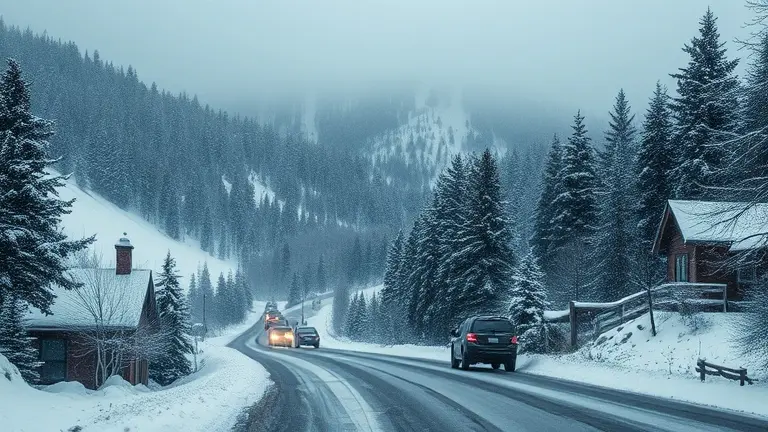
As May 2026 begins, the Western United States finds itself caught in an unsettling weather paradox. While long-term drought remains a pressing concern for California and Nevada, residents and travelers are currently grappling with aggressive late-season snow storms that have triggered widespread winter storm warnings across the Sierra Nevada and into the high-altitude corridors of Colorado and New Mexico. From the treacherous Donner Pass on I-80 to the high mountain passes of the Rockies, these unexpected systems have turned spring travel into a high-stakes guessing game, highlighting the increasingly erratic nature of our regional climate.
This is more than just a seasonal nuisance; it is a signal of a deepening climatic divide. While these bursts of heavy snow provide temporary relief to parched landscapes, they fail to address the systemic moisture deficits that define the 2026 drought narrative. For the mountain traveler or the local resident suddenly finding themselves housebound, the frustration of these closures is palpable. Yet, there is a silver lining hidden within this period of forced stillness: an opportunity to pivot from the frustration of external delays toward the satisfaction of internal, creative progress.
The 2026 Spring Paradox: Late-Season Snowstorms and the West
The arrival of a localized snow storm in early May 2026 has caught travelers and residents across the American West by surprise, revealing a stark disconnect between immediate mountain conditions and long-term climate trends. While regions like the Sierra Nevada and the Sangre de Cristo Mountains in New Mexico are currently operating under a winter storm warning, these events are symptomatic of an erratic spring rather than a resurgence of traditional winter precipitation. Meteorological data suggests that these isolated systems, while capable of depositing significant moisture at high elevations, are failing to address the fundamental environmental challenges currently facing the region.
Analyzing the 2026 Climate Shift
The current weather phenomenon is defined by a paradoxical relationship between moisture and drought. While the high country experiences heavy accumulation—leading to temporary travel hazards such as donner pass i 80 snow warnings and closures along the Raton Pass—this precipitation remains insufficient to alleviate the broader water crisis. According to insights from Drought.gov, drought conditions have intensified across California and Nevada despite these late-season bursts. The primary concerns include:
- Regional Drought Intensification: These sporadic storms provide only surface-level relief, failing to replenish deep-soil moisture or long-term reservoir levels.
- Travel Volatility: High-altitude mountain passes are seeing rapid shifts from clear skies to blizzard conditions, creating dangerous logistics for spring travelers.
- Atmospheric Instability: The moisture influx represents an erratic jet stream pattern that complicates agricultural planning and water management strategies.
Experts note that this winter storm warning sierra nevada activity, alongside the late-season colorado new mexico snow storm events, reflects a changing atmospheric cycle. Because the moisture arrives so late in the spring, it often melts rapidly rather than building a lasting snowpack, which is essential for sustaining the region’s water supply throughout the summer months. Consequently, while a heavy snow warning which states that travelers should exercise extreme caution, residents must recognize that this brief return to winter does not mark a reversal of the persistent drought trajectory observed throughout 2026.
Why Spring Snow Fails to Reverse Long-Term Drought
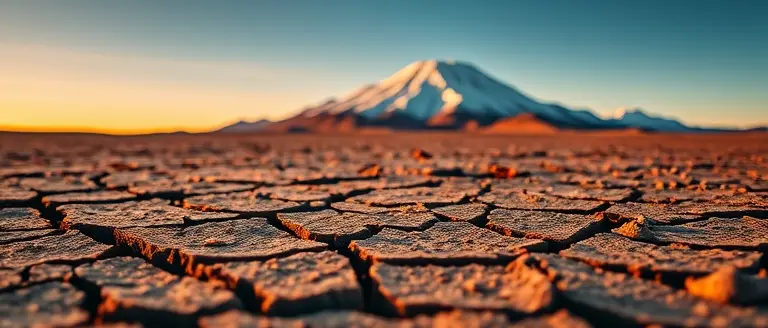
The recent snow storm events across the Sierra Nevada and the Sangre de Cristo mountains have provided a temporary visual reprieve, yet they mask a deepening hydrological crisis. While residents and travelers often view late-season precipitation as a cure-all, climatic data from 2026 indicates that these erratic spring systems—often accompanied by a winter storm warning—fail to provide the long-term moisture required for deep-soil saturation. Unlike the steady, cold-weather accumulation of mid-winter, these spring bursts arrive when temperatures are rising, leading to rapid sublimation and runoff that bypasses the deep-soil recharge necessary to reverse long-term drought indices in California and Nevada.
The Hydrological Reality of Late-Season Precipitation
The disconnect between visible snow and reservoir health stems from the fundamental difference between winter and spring storm dynamics. When a snow storm occurs in late April or early May, the high solar angle and warmer ground temperatures cause the snowpack to become “flashy.” Instead of consolidating into a deep, insulating layer that slowly melts into the groundwater table, this snow undergoes rapid transition:
- Accelerated Sublimation: A significant percentage of moisture is lost directly to the atmosphere before it ever touches the soil.
- Reduced Ground Infiltration: Because the ground is often already warming, the resulting meltwater frequently runs off into drainage channels rather than percolating into deep aquifers.
- High-Altitude Limitations: While a heavy snow warning might impact travel corridors like the I-80 Donner Pass, the moisture is highly localized and insufficient to offset the multi-year moisture deficits currently recorded by Drought.gov.
For stakeholders monitoring the Colorado New Mexico snow storm impacts, it is essential to distinguish between the immediate safety hazards—such as travel delays and road closures on high-altitude passes—and the broader environmental outlook. These events, while disruptive to logistics, rarely move the needle on regional water storage. Experts suggest that to meaningfully impact long-term drought, the West requires a sustained, multi-month series of storms rather than the sporadic, high-intensity systems characterizing the spring of 2026. Consequently, water conservation strategies must remain a priority regardless of these late-season mountain whiteouts.
Navigating Mountain Corridors: Travel Safety During May Storms
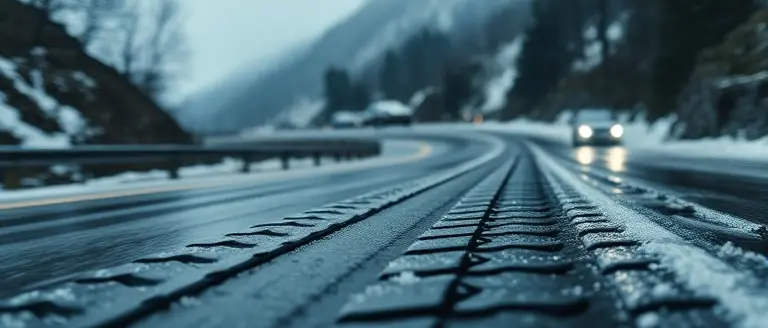
Traveling through high-altitude corridors during a late-season snow storm requires a tactical approach, as spring weather patterns in the Western US have become increasingly volatile. While a winter storm warning in early May might seem counterintuitive to those expecting spring conditions, routes like the Donner Pass I-80 or Raton Pass remain highly susceptible to rapid, dangerous temperature fluctuations. Travelers must treat these late-season systems with the same vigilance as mid-winter events, specifically regarding the rapid formation of black ice. Because daytime temperatures often climb above freezing, melting snow can quickly refreeze on asphalt as soon as the sun dips behind mountain peaks, creating treacherous, invisible sheets of ice that catch motorists off guard.
Essential Safety Protocols for Spring Mountain Travel
To navigate a winter storm warning for the Sierra Nevada or the Sangre de Cristos effectively, motorists should adhere to the following safety measures:
- Vehicle Readiness: Even if your destination reports clear skies, keep chains or approved traction tires accessible. Late-season storms often trigger sudden chain control requirements, and failing to carry equipment can lead to significant delays or heavy fines.
- Interpret Advisories Carefully: Distinguish between a standard mountain snow advisory and a full-scale warning. Localized alerts from the NWS Pueblo or regional Sierra stations often identify specific elevation thresholds where snowfall becomes heavy; plan your arrival times to avoid these windows.
- Monitor Dynamic Conditions: Weather in high-altitude passes can shift in minutes. Utilize official Department of Transportation (DOT) apps rather than generic weather forecasts, as they provide real-time updates on pass closures and visibility indices specific to Colorado and New Mexico snow storm corridors.
- Maintain Distance: Black ice is most prevalent in shaded areas and bridge decks. Increase your following distance to at least six seconds to allow for emergency maneuvering on potentially slick surfaces.
By remaining cognizant of the erratic nature of the 2026 spring climate, drivers can mitigate the risks posed by these late-season events. Prioritize transparency from local authorities and assume that any mountain pass traversal during an active storm alert requires heightened focus and adequate preparation.
Predicting the Unpredictable: Adapting to 2026 Weather Patterns

The erratic nature of the 2026 spring season has challenged long-standing climatic assumptions across the Western United States. As we navigate a landscape where a snow storm in late April and early May is no longer a historical anomaly but a recurring disruption, both residents and travelers must shift away from relying on traditional seasonal expectations. Historical climate averages are becoming increasingly less predictive of immediate conditions, requiring a move toward real-time meteorological monitoring. Whether navigating the Donner Pass I-80 snow warnings or monitoring a winter storm warning Sierra Nevada alert, stakeholders must prioritize agility over adherence to expected spring warming trends.
Navigating High-Altitude Hazards
The increased frequency of late-season events creates significant volatility for mountain corridor logistics. Travelers attempting to cross high-altitude routes like Raton Pass or the Sierra peaks often face a dangerous disconnect between pleasant valley temperatures and severe alpine conditions. To mitigate risk, we recommend the following strategic approach to spring mountain travel:
- Real-Time Data Over Folklore: Rely exclusively on official updates from the National Weather Service, such as the latest snow storm warning bulletins from NWS Pueblo, rather than generalized seasonal forecasts.
- Contingency Planning: Assume a 24-hour buffer for travel plans. When a heavy snow warning is issued for which states in your route, expect rapid chain control implementation and potential road closures regardless of the calendar date.
- Infrastructure Awareness: Monitor regional transportation sites for specific lane closures that often accompany unseasonal storms, as maintenance crews may have already transitioned to spring-only staffing.
As regional drought conditions continue to intensify, these localized, moisture-heavy events serve as a sobering reminder of the “Spring Paradox.” While these storms provide temporary relief in the form of mountain moisture, they are often insufficient to reverse the long-term water storage deficits currently affecting California and Nevada. Adapting to this new reality requires constant vigilance, as the gap between weather volatility and climate resilience continues to widen in the modern Western US.
Master Your Environment While the Weather Rages
As we navigate the 2026 spring paradox, it is clear that these late-season snow storms are merely a fleeting disruption to the broader, more concerning reality of our changing climate. While mountain passes like the Donner Pass may intermittently close, leaving travelers and residents in a state of suspense, your personal productivity does not have to remain stalled by the whims of nature. Weather warnings in the Sierra Nevada and across Colorado and New Mexico serve as a stark reminder that we cannot control the climate, but we have total authority over how we spend our time indoors.
If your travel plans have been sidelined by the unexpected Donner Pass closures or mountain warnings, don’t let the erratic spring weather dampen your productivity; instead, use this time to finally start that home workshop project you have been putting off. Ted’s Woodworking acts as your ultimate storm-day facilitator, turning weather-induced downtime into a finished, professional-grade result. By providing expert-verified plans that eliminate the frustration of trial-and-error, this resource allows you to transform a period of forced inactivity into a high-satisfaction DIY experience, ensuring your time spent indoors is productive and rewarding.
Don’t let the weather dictate your potential. Even if you are stuck waiting for the roads to clear, you can turn your living space into a hub of creation and accomplishment. Join thousands of makers who are reclaiming their time and turning snowy, restricted weekends into tangible masterpieces.
 Don’t let the snowstorm stall your progress—explore the 16,000 professional blueprints in Ted’s Woodworking and turn your snowed-in weekend into a masterpiece.Yes, I Want To Start My Project Now!