
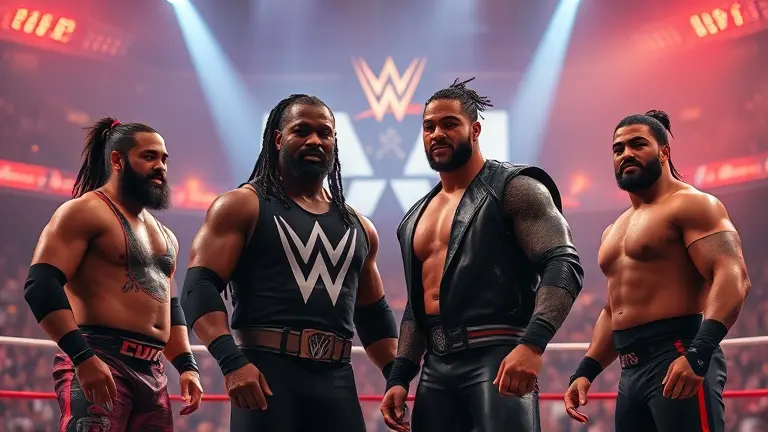
The landscape of WWE wrestling is currently undergoing its most volatile transformation since the turn of the millennium. As we approach WWE Backlash 2026 in Tampa, the spectacle inside the ring—once the primary focus of fan discourse—is being overshadowed by a seismic shift in corporate philosophy. The sudden, mutual departure of The New Day members Kofi Kingston and Xavier Woods, following their refusal to accept a rigid TKO contract restructure, serves as a stark emblem of this new era. When combined with the ongoing fallout from recent talent releases and the complex viewership shifts post-Netflix transition, the product feels increasingly caught between its identity as a global entertainment juggernaut and the cold, calculated efficiency of its new corporate masters.
For the dedicated fan, keeping pace with this era requires more than just passion; it demands a forensic approach to industry news and business strategy. We are witnessing a clash between the legacy of professional wrestling and the relentless, data-driven machinery of the TKO era, leaving many to wonder if the WWE wrestling experience is losing its soul to its bottom line. To understand the stakes of Backlash, we must peel back the curtain on these behind-the-scenes maneuvers that are fundamentally altering the trajectory of the industry for years to come.
The TKO Transformation: Turbulence Ahead of Backlash 2026
As the professional wrestling industry turns its eyes toward Tampa for WWE Backlash 2026, the atmosphere is defined less by the in-ring anticipation and more by the seismic shifts in corporate policy. The recent mutual departure of Kofi Kingston and Xavier Woods—the heart of the legendary faction The New Day—has sent a shockwave through the WWE ecosystem. Reports confirm these exits stem from a fundamental rejection of TKO Group Holdings’ aggressive contract restructuring, signaling a new era where veteran loyalty is increasingly pitted against bottom-line efficiency.
The Conflict of Content and Culture
The juxtaposition between the high-budget, polished production values of the Netflix-era Raw and the growing internal turmoil is becoming impossible to ignore. While the streaming transition has ostensibly expanded WWE’s global reach, the human cost is becoming a major point of contention for the fanbase. The ongoing protests and “We Want Kairi” chants following the sudden release of Kairi Sane highlight a deep-seated disconnect between corporate strategy and fan sentiment. Key factors defining this instability include:
- Contractual Rigidity: The TKO-mandated restructure appears to prioritize standardized, short-term talent agreements over long-term legacy contracts, leading to the high-profile exodus of household names.
- Narrative Fragmentation: The loss of established stars creates sudden gaps in the mid-card and tag-team divisions, forcing creative teams to scramble to rewrite plans mere days before marquee events like Backlash.
- The “Netflix Reality”: While viewership metrics remain steady, the loss of fan-favorite personalities creates a “glitz-without-grit” scenario where production quality is at an all-time high, but emotional investment in individual superstars is suffering.
Evidence suggests that the current state of WWE wrestling is undergoing a painful, forced evolution. While stockholders may favor the current fiscal austerity, the internal exodus threatens the very brand equity that keeps the audience hooked. As we approach Backlash 2026, the question is no longer just who will win the championship belts, but whether the company can maintain its cultural identity while operating under the cold, clinical lens of modern corporate restructuring.
Contractual Realignment: The New Face of Professional Wrestling

The professional wrestling landscape is undergoing a seismic shift as the TKO Group Holdings-led era prioritizes aggressive corporate restructuring over traditional tenure-based models. The recent, shocking departures of Kofi Kingston and Xavier Woods—two pillars of The New Day—signal that no performer, regardless of their legacy or brand loyalty, is immune to the bottom-line optimization now dictating WWE wrestling talent management. This transition reflects a broader pivot toward a “performance-based economy,” where individual contracts are increasingly scrutinized through the lens of short-term profitability and global streaming scalability.
The Erosion of Traditional Tenure
For decades, WWE operated on a model that rewarded long-term loyalty and internal talent development. Under the new corporate mandate, however, the balance of power has shifted toward rigid fiscal sustainability. Analysts suggest that the friction between executive directives and legacy talent stems from a fundamental disagreement over brand value versus cost-efficiency. Key factors defining this new era include:
- Contractual Devaluation: Newer, incentive-heavy contracts are replacing the long-term, high-guarantee deals that defined the previous decade.
- Talent Leverage Shifts: Veterans are increasingly testing the free-agent market rather than accepting the restrictive clauses embedded in modern TKO-era restructures.
- Audience Disconnect: The disconnect between high-budget Netflix-era production and the loss of fan-favorite performers has fueled widespread viewer frustration, evident in recent live show protest chants.
This trend suggests that top-tier performers are no longer viewing WWE as a “forever home” but rather as a platform that must constantly justify its compensation against market alternatives. As the company prepares for WWE Backlash 2026, the absence of established stars serves as a cautionary tale for the industry. The long-term stability of the brand depends on whether TKO can harmonize its profit-driven contractual strategies with the need to maintain the organic star power that built the WWE empire in the first place.
Netflix-Era Production vs. The Talent Exodus Paradox
The WWE wrestling landscape in 2026 is defined by a jarring aesthetic contradiction: while the transition to Netflix has delivered the most visually pristine and technologically sophisticated presentation in the company’s history, the backstage reality is marked by unprecedented instability. The high-budget, cinematic polish of the current product serves as a glittering veneer, yet it struggles to mask the growing audience frustration stemming from the recent talent exodus. The mutual departure of Kofi Kingston and Xavier Woods—following their rejection of rigid TKO contract restructuring—has highlighted a fundamental tension between corporate fiscal mandates and the sentimental value of legacy performers.
This disconnect creates a “Talent Exodus Paradox,” where the creative team is tasked with maintaining momentum for premium live events like WWE Backlash 2026 while the audience actively revolts against the loss of established stars. As fans take to social platforms to chant “We Want Kairi” or voice their displeasure over roster cuts, the burden on the remaining talent pool increases significantly. To bridge this gap, the creative team must navigate several critical challenges:
- Filling the Narrative Void: The exit of pillars like The New Day forces a rapid elevation of mid-card talent, which often risks alienating long-term viewers who value continuity.
- The Viewership Metric Shift: While Netflix integration has attracted a global audience, the internal shift in viewership dynamics suggests that casual viewers may be less loyal to the brand than the legacy fans currently disillusioned by management decisions.
- Production vs. Sentiment: High-definition production cannot compensate for the emotional vacuum left by fan-favorite performers, as evidenced by the growing vocal protests during live broadcasts.
Ultimately, the pressure on the creative team is immense. They are expected to deliver a sleek, modern product that aligns with the premium expectations of the Netflix era, yet they must do so while the foundation of the locker room is being reshaped by the austere financial policies of the TKO era. The success of upcoming events hinges on whether management can reconcile these corporate efficiency goals with the human element that has historically driven professional wrestling fandom.
Backlash 2026: A Litmus Test for the Future of the Brand
The upcoming WWE Backlash 2026 event in Tampa, Florida, serves as a critical junction for the promotion. While the event card was designed to capitalize on the high-budget, polished aesthetic of the Netflix-era WWE, the atmosphere is now clouded by a significant public relations crisis. The unexpected departures of Kofi Kingston and Xavier Woods—the heart of The New Day—have fundamentally altered fan expectations. Because these athletes were not just performers but symbols of brand loyalty, their refusal to sign the new TKO contract restructuring terms has shifted the narrative from in-ring anticipation to deep-seated skepticism regarding corporate management.
Navigating the Talent Instability Crisis
Evidence suggests that the company is struggling to maintain the “must-see” status of its premium live events while simultaneously managing a roster in flux. With recent talent releases like Kairi Sane sparking widespread protest chants during live broadcasts, the challenge for creative leads at Backlash 2026 is twofold: delivering a world-class spectacle and suppressing the growing “We Want Kairi” sentiment that threatens to overshadow match outcomes.
- Strategic Implications: The TKO-led shift toward leaner, performance-based contracts is prioritizing fiscal efficiency over long-term character equity.
- Audience Sentiment: Engagement metrics across Reddit and TikTok indicate that fans are increasingly focused on the disparity between record-breaking viewership statistics and the perceived devaluation of legacy performers.
- The “Netflix Effect”: While the transition to streaming has improved production reach, it has also heightened audience scrutiny, making every decision regarding roster management a subject of global debate.
Ultimately, Backlash 2026 will test whether WWE wrestling can remain the industry leader when the fans’ emotional connection to the product is tested by behind-the-scenes instability. If the event fails to deliver on both in-ring quality and emotional resonance, the company risks a wider alienation of its core fanbase, regardless of its superior broadcast reach.
Navigating the Complexity of the Modern Ring
Ultimately, the current state of WWE is defined by a paradox: while the production value reaches new, cinematic heights on the Netflix platform, the human infrastructure—the talent that makes the product breathe—is facing unprecedented pressure from corporate consolidation. The departures of cornerstone icons like The New Day are not mere roster changes; they are indicators of a fundamental pivot in how talent is valued within the TKO ecosystem. As we head into Backlash 2026, the real story isn’t just who holds the championship, but how the promotion manages the fallout of its own restrictive structural policies.
Processing these layers of dense analytical data amidst the emotional weight of industry shifts can often lead to a state of mental fatigue. Just as the WWE landscape demands sharper analytical focus to navigate these behind-the-scenes transitions, you need a mental reset to fully synthesize the complex dynamics of this TKO-led era. Achieving clarity is the key to remaining an informed fan in an industry that refuses to slow down.
To maintain the cognitive edge required to parse these intricate shifts, turn to a tool designed for peak performance. Unlock your peak analytical focus and sharpen your perspective on the changing WWE landscape with The Brain Song’s 12-minute daily routine.
 Unlock your peak analytical focus and sharpen your perspective on the changing WWE landscape with The Brain Song’s 12-minute daily routine.Yes, I Want This Now!