

The year 2026 has ushered in a turbulent era for frequent flyers, defined by the sudden collapse of budget carriers and widespread speculation surrounding a potential mega-merger between United Airlines and American Airlines. As industry leaders signal that airfares are unlikely to retreat—regardless of fluctuating fuel costs—passengers are finding themselves in a high-stakes game of attrition. The anxiety is palpable: travelers are not just worried about the price of a seat, but about the long-term viability of their loyalty programs and the potential for a massive reduction in competitive route options.
Navigating this new normal requires more than just a smartphone app and a credit card; it demands a tactical shift in how you plan your travel life. From decoding the implications of a ‘Big Two’ market dominance to implementing data-driven booking hacks, the modern commuter is under immense pressure to stay ahead of the curve. It is time to look past the corporate press releases and equip yourself with a survival guide that addresses the very real challenges of this unpredictable and increasingly expensive aviation landscape.
The 2026 Aviation Shift: Decoding the United Rumors and Market Volatility

The American aviation landscape is currently undergoing its most significant structural transformation in decades, marked by the abrupt collapse of Spirit Airlines and frantic market speculation regarding a potential blockbuster merger between United Airlines and American Airlines. Following the sudden exit of Spirit from the marketplace, the industry has seen a massive contraction in low-cost capacity, leaving a vacuum that major carriers have been quick to exploit. While analysts have pointed to a theoretical “Big Two” merger as the logical, albeit aggressive, endgame for industry consolidation, United CEO Scott Kirby has moved to dampen the fervor. In official statements released this past April, Kirby addressed the rumors directly, signaling that the company remains focused on its internal financial health rather than immediate acquisition strategies. Despite these denials, the mere suggestion of such a deal has heightened anxiety among frequent flyers, who fear a dramatic reduction in route competition and a subsequent erosion of loyalty program value.
Understanding the New Economic Reality of Air Travel
The most pressing concern for the modern traveler is not just corporate movement, but the reality of persistently high airfares. Currently, ticket prices remain approximately 20% above historical averages per mile, a trend that experts expect to continue well into late 2026. Crucially, this pricing strategy is no longer tethered solely to the volatility of jet fuel costs. United’s executive leadership has indicated that this price floor is a reflection of the “new normal” in a consolidated, high-demand market. Key factors driving this shift include:
- Capacity Constraints: The reduction in available seats following recent industry failures has shifted supply-side leverage entirely to the major carriers.
- Operational Resilience: Airlines are prioritizing balance sheet strength, with United projecting strong adjusted earnings of $12–$14 per share, justifying higher fares to cover infrastructure and labor investments.
- Segmented Demand: A clear focus on high-yield, premium-paying passengers has replaced the volume-chasing models of the past decade.
For the everyday traveler, this means that even if fuel prices drop, the structural changes in the aviation market—specifically the lack of low-cost competition—ensure that the days of cheap, last-minute travel are likely behind us. Navigating this environment now requires a shift in consumer behavior, moving away from relying on price-dumping competitors and toward strategic, data-driven booking patterns.
The United-American Merger Hypothesis: Winners and Losers for the Frequent Flyer
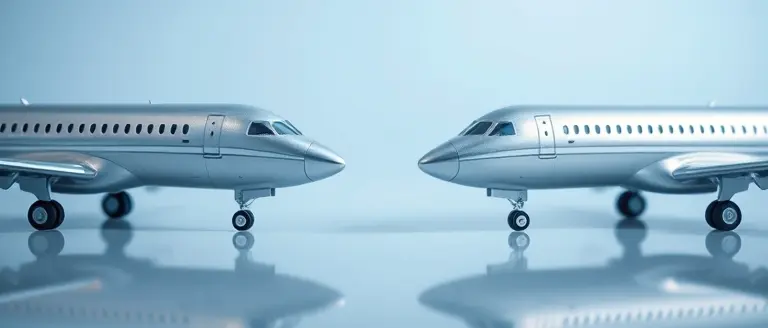
The speculation surrounding a potential merger between United Airlines and American Airlines has sent shockwaves through the aviation industry. While CEO Scott Kirby has moved to address these rumors, the mere prospect of a “Big Two” consolidation signals a transformative shift in the US travel landscape. Should such a transaction proceed, the immediate impact would likely be felt in the form of market concentration and the erosion of consumer choice at critical hubs. With the recent, sudden shutdown of Spirit Airlines removing a vital low-cost competitor, the aviation market is already experiencing extreme volatility. A merger of this magnitude would fundamentally consolidate power, potentially leading to reduced route competition and increased pricing leverage for the newly formed entity.
Analyzing the Impact on Competition and Costs
For the average traveler, a United-American merger presents a complex landscape of winners and losers. Economic indicators and historical data from previous airline consolidations suggest that reduced capacity almost invariably leads to higher ticket prices. Because the two carriers share a significant domestic footprint, a merger would likely trigger regulatory concerns regarding monopolies at major hubs, where one entity could control the vast majority of gates and slots. Frequent flyers should prepare for the following potential realities:
- Decreased Route Diversity: A combined airline might prioritize high-margin routes, potentially cutting service to smaller, regional cities to maximize efficiency.
- Loyalty Program Devaluation: As seen in past mergers, the integration of MileagePlus and AAdvantage would likely result in stricter redemption rules and fewer “sweet spot” rewards for loyal passengers.
- Heightened Pricing Power: With less competitive pressure, the airline would face less internal incentive to lower fares, reinforcing the “new normal” of elevated ticket costs.
Ultimately, while the airline’s projected 2026 adjusted earnings of $12–$14 per share underscore the financial stability of a potential suitor, passengers are right to be cautious. The consolidation of these two giants would signify a shift away from a competitive, multi-choice environment toward a more rigid, expensive infrastructure for domestic transit.
Future-Proofing Your Miles: Navigating Loyalty Program Instability

As speculation surrounding a potential merger between United Airlines and American Airlines intensifies, frequent flyers are rightfully anxious about the longevity and value of their loyalty balances. Industry consolidation often triggers sudden program devaluations, where the purchasing power of your hard-earned miles drops overnight. To protect your travel assets in this volatile 2026 climate, you must transition from a “loyalty-exclusive” mindset to one of strategic diversification. If your reward portfolio is tied strictly to a single carrier, you are inherently vulnerable to corporate restructuring and point inflation.
Strategies for Protecting Your Travel Assets
To safeguard your account, consider these tactical shifts in how you manage your travel rewards:
- Avoid Excessive Point Hoarding: In an era of record-high airfares and potential carrier consolidation, “earning and burning” is the safest policy. While hoarding miles for a dream trip is traditional, the risk of a program overhaul makes it financially prudent to redeem miles for high-value flights as soon as your travel plans solidify.
- Diversify Across Alliances: Do not funnel all your spending into one co-branded credit card. By accumulating flexible travel points—such as those earned through premium bank cards—you retain the ability to transfer assets to various airline partners across the Star Alliance, Oneworld, or SkyTeam networks. This flexibility acts as a hedge if one specific program reduces its redemption value.
- Audit Co-Branded Reliance: High-interest rates and economic shifts have made the “bonus-earning” game less lucrative. Evaluate whether the annual fees on your airline credit cards are justified by the current benefits, especially as carriers continue to limit award seat availability on desirable routes.
Ultimately, market volatility—exemplified by the recent exit of smaller carriers—suggests that travelers should prioritize liquidity. By maintaining a mix of transferable points and miles, you remain insulated from the specific policy pivots of United Airlines or any other major carrier. Remember, loyalty points are a currency, and like any currency, they are subject to inflationary pressures; treat them as a temporary asset rather than a long-term investment.
Survival Tactics: How to Beat Sky-High Fares in 2026

With United Airlines and other major carriers signaling that elevated airfare is becoming the “new normal,” travelers must shift from passive booking to aggressive, data-driven navigation. As the aviation landscape tightens following the consolidation of smaller players like Spirit, passengers are facing a baseline cost increase of roughly 20% per mile. To combat these trends, you must move beyond generic search engines and employ specific, high-utility strategies to protect your travel budget.
Strategic Booking Hacks for the 2026 Landscape
- Master the Optimal Booking Window: Data indicates that for major domestic routes, the sweet spot for booking remains 45 to 90 days out. Avoid the “panic booking” phase within 21 days, where airlines leverage algorithmic pricing to maximize yields from business travelers.
- Leverage Alternative Hubs: If you are flying into a primary United Airlines hub, investigate secondary or regional airports nearby. The cost differential often offsets the time and expense of ground transportation, particularly as fuel surcharges remain stagnant at higher price points.
- Price-Tracking with Advanced Tools: Utilize sophisticated trackers that monitor historical price data. Set alerts specifically for “base fare drops” rather than just total price changes, as the latter often masks airline surcharges that remain inflated regardless of fuel cost fluctuations.
- Evaluate ‘Hidden City’ Ticketing Risks: While booking a flight with a layover and skipping the final leg can save money, be aware of the risks. Frequent use of this strategy can lead to account audits or loyalty program devaluations by major carriers, potentially impacting your status or accumulated miles.
Protecting Your Loyalty Equity
In an environment of industry volatility, your loyalty program points are valuable assets. Avoid hoarding miles indefinitely; if your preferred airline faces increased merger scrutiny—such as the recent, albeit speculative, chatter regarding a United and American Airlines tie-up—the conversion value of your points may shift suddenly. Focus on utilizing points for high-value redemptions immediately to hedge against potential program devaluation. By treating your travel planning like a tactical financial endeavor, you can mitigate the impact of the industry’s sustained high-fare environment.
Mastering the New Era of Air Travel
The aviation landscape of 2026 is undoubtedly volatile, with the shadow of a potential United-American merger and permanently high ticket prices forcing a radical shift in how we approach travel. Navigating this environment isn’t just about finding the lowest fare; it is about strategic planning, loyalty optimization, and maintaining a clear head when the industry seems to be in a constant state of flux. By focusing on hub dominance and future-proofing your points, you can regain control of your travel destiny.
However, the real bottleneck in this complex equation is often your own cognitive load. Tracking evolving policies and making high-stakes booking decisions while battling the stress of travel industry instability creates a unique type of mental fatigue. This is where your ability to maintain peak cognitive focus becomes your greatest competitive advantage. Just as you research routes, you must proactively manage your mental clarity.
We highly recommend integrating The Brain Song into your routine. This 12-minute daily audio ritual is designed to cut through the noise, significantly reducing the mental fog that clouds your decision-making during high-stress moments. By enhancing your focus and learning capacity, it acts as an essential tool, ensuring you approach every booking with a sharp, calm, and strategic mind, regardless of how the airline market shifts.
 Optimize your cognitive performance for your next high-stakes booking decision by starting your 12-minute daily routine today.Yes, I Want This Now!