
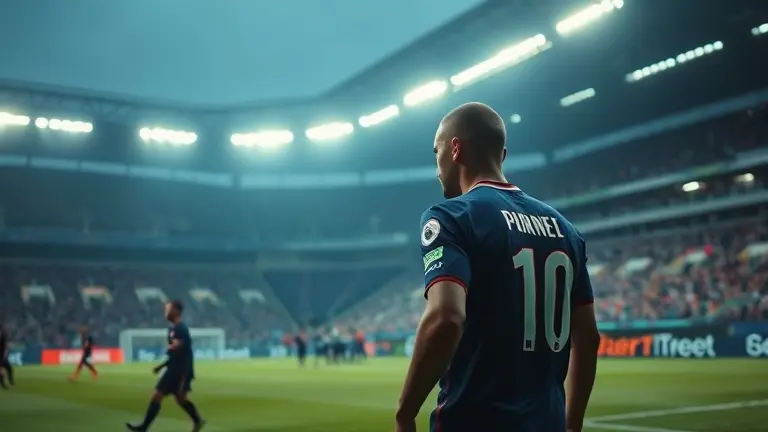
The Parc des Princes fell into a tense, uneasy silence as the final whistle blew on May 2, 2026, marking a 2-2 draw between PSG and FC Lorient that felt like a defeat for the league leaders. In the closing stages of the 2025-2026 Ligue 1 season, this was supposed to be a routine victory to cement PSG’s title aspirations. Instead, the match became a frantic tactical struggle, exposing the deep fissures in PSG’s defensive structure and highlighting the overwhelming impact of a congested calendar. With the intensity of a Champions League semi-final against Bayern Munich still lingering in their legs, the Parisians appeared visibly sluggish, a victim of their own high-stakes success.
PSG vs Lorient was more than just a mid-table side snatching a point; it was a case study in athletic and cognitive burnout at the highest level. As analysts dissect the defensive lapses and Luis Enrique’s post-match frustrations, the narrative shifts toward a critical question: how much can elite teams—and their dedicated, news-hungry fanbases—withstand before mental and physical performance begins to fracture? This post-match analysis dives into the tactical breakdown of the draw and explores the invisible cost of the ‘Champions League fatigue’ that defined the match day.
PSG vs Lorient: A Stalemate at the Parc des Princes
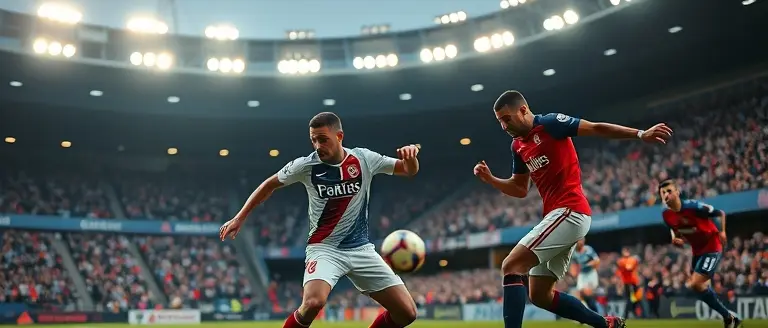
The PSG vs Lorient clash on May 2, 2026, ended in a surprising 2-2 draw, serving as a stark reminder of the volatility inherent in the closing stages of the Ligue 1 season. For Paris Saint-Germain, the match at the Parc des Princes was intended to be a routine step toward securing the league title; however, they found themselves stymied by a resilient Lorient side. This result sent shockwaves through the league standings, stalling PSG’s momentum and providing a glimmer of hope to those chasing them in the table. The draw highlighted tactical vulnerabilities that have periodically haunted the Parisian giants throughout the campaign, particularly in their ability to close out games against disciplined, counter-attacking opponents.
The Impact of Champions League Fatigue
A central narrative surrounding this fixture was the heavy toll of PSG’s congested schedule. Coming off an emotionally and physically draining 5-4 victory against Bayern Munich in their Champions League semi-final first leg, the squad appeared to lack their customary intensity. Luis Enrique’s side struggled to maintain structural integrity, a point of frustration that the manager addressed in his post-match comments regarding defensive inconsistencies. The fatigue was evident in the team’s lack of defensive transition speed, which allowed Lorient to capitalize on transition moments effectively.
Key takeaways from the match include:
- Defensive Fragility: PSG’s backline looked vulnerable against Lorient’s high-pressure, direct attacking approach, leading to two conceded goals.
- Scheduling Consequences: The proximity of the Bayern Munich tie clearly impacted player rotation and overall energy levels, forcing the squad to juggle European aspirations with domestic requirements.
- Ligue 1 Title Race 2026: While PSG remains in a commanding position, this stalemate leaves the door slightly ajar for competitors, making the final weeks of the season significantly more competitive than initially projected.
Ultimately, while the result was disappointing for the home fans, it serves as a critical case study in the difficulties of balancing elite European competition with domestic dominance. The match provided Lorient with a hard-earned point and underscored the reality that no side in Ligue 1 can be taken lightly, especially when the champions are distracted by continental ambitions.
Tactical Breakdown: How Lorient Exposed PSG’s Defensive Flaws
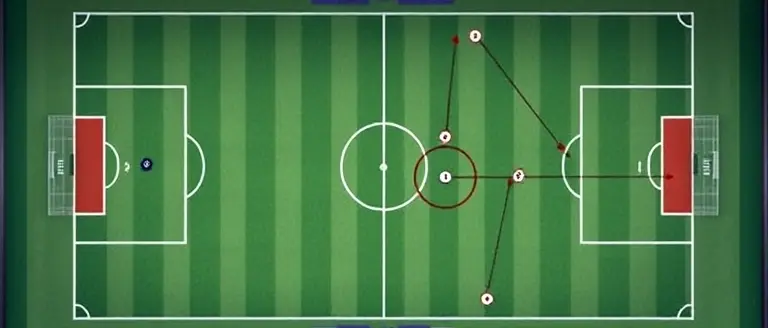
The 2-2 draw between PSG vs Lorient on May 2, 2026, served as a stark reminder of the defensive vulnerabilities inherent in Paris Saint-Germain’s high-possession tactical setup. While PSG’s focus remained split due to their grueling Champions League schedule, the match exposed recurring gaps that mid-table sides are increasingly savvy enough to exploit. Lorient’s game plan centered on a direct, vertical approach that bypassed PSG’s press, specifically targeting the vast channels left behind by overlapping fullbacks.
Exploiting the Flank Transition
Lorient’s strategy relied on rapid transitions, a tactic that successfully neutralized PSG’s defensive structure. Because Luis Enrique’s system encourages fullbacks to push high up the pitch to provide width, the team became susceptible to quick breaks whenever possession was lost in the midfield.
- Exploiting Space: Lorient’s wingers consistently found themselves in one-on-one scenarios against isolated central defenders.
- Vertical Passing: By bypassing the midfield with long, searching passes, Lorient forced PSG’s backline into uncomfortable recovery runs.
- Fatigue Factor: The visible drop in intensity from PSG’s defensive unit suggests that the heavy physical toll of the recent 5-4 win against Bayern Munich severely compromised their tactical discipline.
Post-match, Luis Enrique acknowledged that defensive inconsistencies remain the primary hurdle in the Ligue 1 title race 2026. The gaps identified at the Parc des Princes were not merely individual errors but systemic issues where the defensive transition lacked the necessary cover. When the fullbacks were caught too high, the lack of immediate tactical fouls or disciplined drop-backs allowed Lorient to capitalize on the open space. For PSG to secure the league trophy, they must find a more balanced approach that prevents opponents from punishing them on the counter-attack, especially when their schedule leaves little room for defensive recovery.
Luis Enrique and the Debate Over PSG’s Defensive Inconsistency
The 2-2 draw in the PSG vs Lorient clash on May 2, 2026, has reignited intense debate regarding the tactical balance of the Parisian side under Luis Enrique. While PSG remains a dominant force in Ligue 1, their inability to close out matches against mid-table opposition has become a recurring theme, often overshadowed by their high-scoring affairs in Europe. Following the Lorient fixture, manager Luis Enrique faced scrutiny from fans and pundits alike, who pointed to persistent defensive lapses as the primary obstacle to a seamless campaign. The manager acknowledged the frustration, emphasizing that maintaining a high-possession attacking structure often leaves the backline exposed during rapid counter-attacks.
Tactical Vulnerabilities and Fan Sentiment
Social media discourse, particularly across platforms like OneFootball and X, suggests that the “giant vs. underdog” narrative provided Lorient with the perfect blueprint to exploit PSG’s gaps. Critics argue that the squad’s defensive inconsistency is a byproduct of heavy fixture congestion, especially following the physically demanding Champions League semi-final against Bayern Munich.
Key concerns highlighted by fans include:
- Transition Defense: PSG’s fullbacks often push too high, leaving the center-backs isolated against quick vertical passes.
- Set-Piece Fragility: Lorient’s ability to find equalizing opportunities highlighted a lack of aerial dominance in the PSG penalty area.
- Rotation Fatigue: The reliance on a thin defensive rotation during high-stakes domestic matches has led to individual errors that have cost the team vital points in the Ligue 1 title race 2026.
Evidence suggests that while Enrique’s philosophy prioritizes fluid movement and creative control, the current execution is struggling to mitigate the risk of late-game fatigue. Whether this issue is merely a temporary lapse caused by the grueling European schedule or a fundamental flaw in the 2025-2026 tactical setup remains the central question for the remainder of the season.
The 2026 Ligue 1 Title Race: Impact of the Draw
The 2-2 result in the PSG vs Lorient fixture on May 2, 2026, has sent ripples through the Ligue 1 title race, forcing a re-evaluation of the closing weeks of the season. While Paris Saint-Germain remains the clear favorite to secure the domestic crown, this dropped point against a resilient mid-table side has narrowed their margin for error. With the competition intensifying, every tactical misstep now carries increased weight for Luis Enrique’s squad. The math for the championship is no longer a foregone conclusion, as challengers are monitoring the Parisians’ domestic form, which has occasionally faltered under the immense pressure of their ongoing Champions League commitments.
Defensive Fragility and Tactical Concerns
A recurring theme in post-match analysis has been the defensive inconsistencies displayed by the league leaders. The goals conceded against Lorient highlighted gaps in transitions, likely exacerbated by physical and mental fatigue following the high-octane 5-4 victory over Bayern Munich just days prior. To secure the 2026 title, PSG must address these core issues:
- Fatigue Management: Managing the minutes of key personnel remains critical as the club balances European ambitions with league requirements.
- Structural Stability: Defensive lapses against counter-attacking sides suggest a need for more discipline in the final third of the pitch.
- Remaining Fixtures: With several high-stakes matches left, the squad cannot afford to repeat the complacency observed at the Parc des Princes.
The evidence suggests that while PSG’s offensive output remains lethal, their defensive stability is the primary variable that could complicate their path to the trophy. If these vulnerabilities persist, rivals may find the gaps necessary to force further upsets, turning the final weeks of the 2026 Ligue 1 season into a high-stakes drama that hinges on defensive resilience as much as clinical finishing.
Master Your Focus Beyond the Pitch
The 2-2 draw between PSG and Lorient was more than just a dropped point; it was a testament to the brutal physical and mental toll of a condensed elite football calendar. As PSG’s stars struggled to maintain their usual intensity while balancing Champions League ambitions, the match served as a stark reminder that even the world’s best can suffer from performance plateaus when the schedule demands too much. Whether on the pitch or in the daily grind of information-heavy modern life, peak performance requires consistent recovery.
Just as PSG players face the consequences of high-stakes fatigue, many dedicated fans find their own cognitive clarity slipping after hours of intense, high-stakes sports analysis and social media engagement. If you have been feeling that familiar mental fog after tracking live updates, it is time to shift your recovery strategy. The Brain Song is the specialized tool designed to restore your cognitive function, clearing the noise of information overload and sharpening your mental edge exactly when you need it most.
You do not need to be a professional footballer to benefit from elite-level recovery. By integrating this routine, you can eliminate the fatigue that clouds your decision-making and regain the sharp, focused mindset required to stay ahead of the curve. Experience the restoration that your mind deserves and reclaim your mental performance today.
 Recharge your focus just like a professional athlete recovers from a grueling match; try the 12-minute brain-refresh routine today.Transform My Mental Performance Now!