
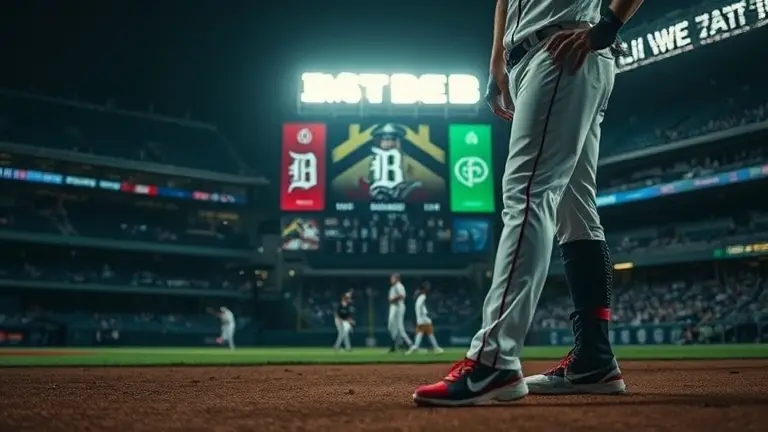
The collective breath of the Detroit Tigers fanbase collectively hitched on Tuesday night at Truist Park. In a single, heart-stopping moment during the fifth inning, the Tigers’ infield dynamic shifted dramatically when Javier Báez crumpled while attempting to avoid a collision with Braves first baseman Matt Olson. Watching a cornerstone player leave the field in a walking boot is never easy, and as the organization awaits the definitive word from the upcoming MRI, a wave of uncertainty has descended upon Detroit.
The situation is further complicated by the concurrent exit of starter Casey Mize due to groin tightness, leaving the clubhouse in a state of flux. While fans anxiously refresh their feeds for medical updates, the broader conversation must turn toward the reality of the 2026 season: how does the team navigate this depth crisis? Beyond the initial shock of the injury, we are diving deep into the statistical implications for the Tigers’ rotation and what history tells us about performance in the absence of a primary infielder.
Javier Báez Injury Update: April 28 Incident at Truist Park
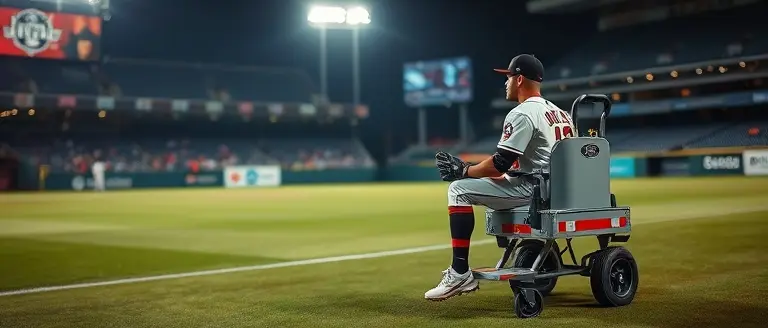
The Detroit Tigers baseball community faced a sobering moment on Tuesday, April 28, 2026, during a high-stakes contest against the Atlanta Braves at Truist Park. In the bottom of the fifth inning, shortstop Javier Báez attempted a high-intensity play at first base. While maneuvering to avoid a collision with Braves first baseman Matt Olson, Báez suffered a significant right leg and ankle injury. The visual evidence was immediately concerning, as the veteran infielder could not put any weight on his leg, necessitating the use of a medical cart to remove him from the field. Post-game reports confirmed he was later seen utilizing a walking boot, fueling widespread speculation regarding the severity of the damage.
A Double Blow for Detroit
The situation turned into a difficult night for the Tigers’ front office, as the injury to Javier Báez was compounded by an early exit for starting pitcher Casey Mize. Mize was pulled from the game due to groin tightness, leaving the team shorthanded in both the field and on the mound. Tigers manager A.J. Hinch did not mince words regarding the severity of the situation, noting, “That one looked scary.” The team is currently in a state of flux as they await clinical data. Key takeaways from the incident include:
- Clinical Status: Javier Báez is currently scheduled for an MRI to determine the extent of the ligament damage to his right ankle.
- Immediate Response: Training staff followed standard safety protocols by carting Báez off the field to prevent further trauma to the joint.
- Roster Implications: The simultaneous loss of Mize and Báez creates an immediate tactical challenge for Hinch, as the team assesses their depth for the remainder of the series.
While the medical staff prepares to evaluate the MRI results, fans and analysts remain in a holding pattern. The focus remains on the structural integrity of the ankle, as any long-term recovery timeline could force the Tigers to drastically reconsider their 2026 defensive alignment.
MRI Results and Medical Outlook: Tracking the Tigers’ Official Reports
The Detroit Tigers baseball community remains in a state of high alert as the organization prepares to release definitive diagnostic findings regarding the Javier Baez injury. Following the distressing scene at Truist Park on April 28, 2026, where Baez was unable to bear weight and required assistance leaving the field, the medical team is prioritizing a comprehensive MRI scan. This imaging process is critical, as it differentiates between soft tissue aggravation—such as severe strains or sprains—and structural damage to the bone or ligaments that could necessitate a prolonged stint on the injured list. While manager A.J. Hinch and the training staff have described the situation as “scary,” definitive recovery timelines remain pending until the MRI results are officially disclosed.
Understanding the Diagnostic Process
In professional sports, the transition from an initial injury report to a recovery timeline typically involves a multi-step evaluation:
- Initial Observation: Medical staff assess immediate stability and inflammation levels, which dictated the use of a walking boot for Javy Baez following the game.
- MRI Analysis: Magnetic Resonance Imaging is the gold standard for identifying ligamentous tears, such as a high ankle sprain or syndesmosis injury, which are common in awkward sliding mechanics.
- Functional Assessment: Once the imaging is reviewed by team orthopedists, the Tigers will outline a rehabilitation protocol. If the injury involves significant ligament damage, recovery often proceeds through stages of immobilization, non-weight-bearing physical therapy, and eventually, baseball-specific movement patterns.
Fans tracking the Javier Baez injury should monitor the team’s official press releases for terms like “structural integrity” or “ligament involvement.” A clean scan could suggest a minor sprain with a recovery window of 2–4 weeks, while reports of tears or fractures could significantly alter the team’s infield strategy for the remainder of the 2026 season. As we await the official word, the organization’s primary focus is the long-term health of the veteran infielder, ensuring he returns to the diamond only when his mobility and defensive range are fully restored.
Statistical Performance: Detroit Tigers Without Javier Báez

The potential absence of Javier Báez due to his recent right leg injury forces a critical look at how the Detroit Tigers baseball squad functions without their primary middle infielder. Historically, the Tigers have faced challenges maintaining offensive consistency when Báez is sidelined, as his defensive range and situational awareness are difficult to replicate. Analysis of previous stretches where the team played without him reveals a noticeable dip in team defensive efficiency metrics, particularly in turning double plays and securing balls up the middle. While the current roster depth provides alternative options, none offer the same high-tier defensive profile that Báez brings to the diamond on an everyday basis.
Impact on Offensive and Defensive Metrics
When assessing the statistical landscape, the data suggests that team performance often experiences volatility during his absences. Key trends observed during previous periods without him include:
- Defensive Range Regression: Defensive Runs Saved (DRS) often trends downward, as middle-infield replacements have historically struggled to cover the same amount of ground in the hole.
- Offensive Production Gaps: While his batting average has fluctuated, his ability to put pressure on pitchers and execute key base-running plays often leaves a void that impacts the team’s overall scoring efficiency.
- Win-Loss Adjustments: Historically, the Tigers’ win percentage has dipped by a marginal but statistically significant margin when missing their starting shortstop for extended periods, highlighting his role as a foundational piece of the lineup.
Managing fan expectations is essential as the organization awaits the MRI results for the javier baez injury. While the team has demonstrated an ability to rotate personnel effectively in the past, the current 2026 season context requires a more cohesive defensive performance. The absence of a player of his caliber creates a ripple effect across the infield, necessitating that utility players step into high-leverage roles. Whether the team can weather this storm will depend largely on how well the remaining infielders maintain defensive stability while the coaching staff adjusts the batting order to compensate for his missing production.
Navigating the Post-Injury Landscape: Impact on the 2026 Rotation

The unfortunate Javier Báez injury creates a significant tactical void for the Detroit Tigers baseball organization. As the team awaits definitive MRI results, manager A.J. Hinch must immediately evaluate the internal roster depth to maintain defensive stability. Báez has long been the anchor of the infield, and his absence forces a realignment that ripples across the entire defensive scheme. If the recovery timeline is extended, the Tigers will likely look toward a combination of internal utility players and top-tier minor league prospects to bridge the gap. Strategic shifts often involve moving versatile defenders into premium spots, potentially sacrificing offensive production for defensive reliability.
Strategic Adjustments and Roster Depth
To compensate for the loss of Báez, the front office faces several difficult roster decisions. The current priority is stabilizing the middle infield while managing the secondary impact of Casey Mize’s groin tightness, which complicates the overall pitching and defensive rotation. Key considerations for the coaching staff include:
- Internal Call-ups: Identifying prospects who can provide immediate defensive utility at the major league level to minimize the drop-off in range and arm strength.
- Utility Realignment: Shifting players who possess positional flexibility into starting roles to maximize coverage, though this often requires bench consolidation.
- Offensive Production: Since replacing a veteran like Báez is rarely a like-for-like swap, the Tigers may rely on a committee approach to fill the void in the batting order.
History suggests that the Tigers prioritize defensive integrity to keep games competitive during injury-plagued stretches. By leaning on established organizational depth and tactical substitution, the team aims to navigate this challenging period of the 2026 season without losing ground in the division. Fans remain hopeful that the injury, while appearing severe in real-time, will allow for a return that keeps playoff aspirations intact. The upcoming days will be critical in determining whether the team pursues external short-term solutions or trusts the current pipeline to stabilize the rotation.
Sharpening Your Analytical Perspective
As we wait for official medical reports on Javy Baez, the immediate path forward for the Detroit Tigers hinges on precise roster management and a clear-eyed assessment of their internal depth. Navigating this injury landscape requires more than just raw hope; it demands a deep, data-driven analysis of infield efficiency and lineup sustainability under pressure. The emotional weight of these unexpected developments can often cloud the analytical clarity needed to process complex roster metrics and long-term projection models.
This is where the intersection of sports analysis and cognitive performance becomes vital. To truly deconstruct the ‘what-if’ scenarios facing the Tigers, you need a mental edge that cuts through the noise of speculation. Just as we break down the nuances of the Tigers’ defensive alignment, maintaining cognitive sharpness is essential for processing these dense performance statistics and evolving injury reports. The Brain Song is designed to be your cognitive accelerator, helping high-level enthusiasts maintain superior mental clarity and focus while navigating the intricacies of sports data and team management.
By integrating this tool into your routine, you move from merely reacting to the news to mastering the analytical implications of the 2026 season. Don’t let the frustration of the current injury cycle blur your focus on the metrics that define the Tigers’ future. Optimize your analytical edge and focus on the data that matters by incorporating The Brain Song into your daily routine.
 Optimize your analytical edge and focus on the data that matters by incorporating The Brain Song into your daily routine.Yes, I Want This Mental Edge!