

The 2026 Mutua Madrid Open has transformed into an electrifying stage where two distinct narratives are set to collide. On one side of the net, Anastasia Potapova enters the quarter-finals as the tournament’s ultimate ‘lucky loser,’ carrying the momentum of a career-defining upset over world No. 2 Elena Rybakina. Her path has been defined by fearless aggression and the uncanny resilience of a player with nothing to lose. Opposite her stands the veteran Karolina Pliskova, who is executing a masterful comeback story of her own, reaching her first WTA 1000 quarter-final in over two years with a renewed tactical clarity that has left opponents struggling to find rhythm.
As these two athletes prepare to face off today, the match promises to be more than just a test of serves and groundstrokes; it is a battle of mental fortification. While the tennis world analyzes the Potapova-Pliskova head-to-head metrics, the true spectacle lies in their contrasting psychological states: the reckless abandon of an underdog against the calculated precision of a seasoned pro. In this breakdown, we examine how technical adjustments and, more importantly, elite cognitive focus will determine who moves one step closer to the Madrid trophy.
The Lucky Loser vs. The Comeback Queen: Madrid Open Quarter-final Preview

The 2026 Mutua Madrid Open quarter-final clash between Anastasia Potapova and Karolína Plíšková represents one of the most compelling narrative contrasts in professional tennis. Potapova enters this match riding a wave of unprecedented momentum, having carved out a historic path as a “lucky loser.” Her recent performance, headlined by a grit-filled victory over world No. 2 Elena Rybakina, proved that she possesses the mental fortitude to dismantle top-tier opposition. By surviving the qualifying rounds after an initial exit, Potapova has transformed her second chance into a legitimate title charge, solidifying her status as the tournament’s ultimate wildcard.
Conversely, Karolína Plíšková arrives at this stage with a narrative defined by resilience and patience. For the veteran Czech star, reaching a WTA 1000 quarter-final for the first time in over two years marks a significant professional milestone and a validation of her enduring class. While Potapova relies on defensive resilience and scrambling ability, Plíšková remains a formidable tactician whose trademark serve continues to be one of the most dangerous weapons on the clay courts of Madrid.
Tactical Keys to the Match
The head-to-head dynamic suggests a classic battle of styles that will likely be decided by who controls the tempo of the rallies:
- The Serve Factor: Plíšková will look to dictate points early with her dominant first serve, aiming to shorten rallies before Potapova can turn them into endurance tests.
- Defensive Baseline Play: Potapova must leverage her speed to force the veteran into extra shots; her ability to transition from defense to offense caught Rybakina off guard and will be crucial against the tall stature of Plíšková.
- Pressure Management: As a player on an unexpected run, Potapova has the advantage of “playing with house money,” whereas Plíšková carries the expectation of a former world No. 1 seeking to reclaim her spot in the elite bracket of the tour.
This quarter-final showdown at the Madrid Open is more than just a match; it is a collision between a rising talent capitalizing on a miracle opportunity and a seasoned champion finding her rhythm again on the biggest stage.
Tactical Breakdown: Pliskova’s Serve Against Potapova’s Resilience
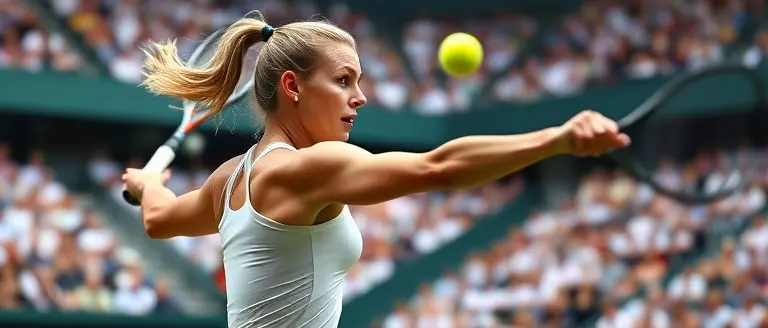
The Madrid Open quarter-final clash presents a fascinating stylistic paradox between Karolína Plíšková and Anastasia Potapova. At the heart of this matchup is the classic battle between pure power and defensive endurance. Plíšková, a veteran of the tour, relies heavily on her world-class serve to dictate points early. On the slow, high-bouncing clay of the Caja Mágica, her ability to secure “cheap” points is vital to nullifying the movement of her opponents. When her serve is clicking, Plíšková can compress the court, forcing short balls that allow her to transition into aggressive, flat groundstrokes that take time away from the opposition.
Conversely, Potapova enters this match with the momentum of a “lucky loser” who has nothing to lose. Her game is defined by high-intensity groundstrokes and an uncanny ability to turn defense into offense. Throughout her run, including her upset over Elena Rybakina, Potapova demonstrated a level of resilience that frustrates heavy hitters. By utilizing deep, topspin-heavy returns, she aims to neutralize Plíšková’s service advantage, forcing the Czech star into extended rallies where the fatigue of long points could play a decisive role.
Key Tactical Considerations:
- Surface Dynamics: The Madrid clay, while faster than traditional clay due to the high altitude, still demands patience. Plíšková must avoid the temptation to over-hit, while Potapova must leverage her lateral quickness to prevent Plíšková from stepping inside the baseline.
- Return of Serve: The match will likely be decided by Potapova’s ability to put the first serve back in play. If she can extend the rallies, the statistical advantage shifts toward her defensive versatility.
- Aggression vs. Consistency: Plíšková’s game plan hinges on maintaining a high first-serve percentage to avoid the tactical grind. If she is forced to play off her second serve, Potapova will look to exploit that vulnerability with aggressive, proactive positioning.
Ultimately, this WTA tennis showdown will test whether Plíšková’s veteran composure can withstand the high-energy, unpredictable tennis currently fueling Potapova’s historic tournament run.
Potapova Pliskova Head-to-Head and Statistical Outlook

The Potapova Pliskova head-to-head matchup represents a fascinating clash of styles at this year’s Mutua Madrid Open. Entering today’s quarter-final, the statistical profiles of these two athletes highlight contrasting narratives. Anastasia Potapova, buoyed by her status as a ‘lucky loser,’ has displayed remarkable defensive resilience and court coverage, particularly during her upset victory over Elena Rybakina. Conversely, Karolína Plíšková has rediscovered the clinical serving rhythm that once cemented her status as a world No. 1 contender. Their meeting in the Spanish capital is more than just a bracket filler; it is a critical pivot point for both players’ 2026 WTA rankings, as a semi-final appearance offers a significant jump in points.
Tactical Keys to the Matchup
Analyzing their form on clay, the technical disparity between the two players becomes the focal point of the analytical outlook. Potapova enters the match with significant momentum, having maintained high intensity throughout her recent matches. Her ability to extend rallies and force unforced errors will be tested against the veteran presence of Pliskova, who is aiming to secure her first WTA 1000 semi-final in over two years.
Key statistics and factors to watch include:
- Service Efficiency: Pliskova’s ability to land high-percentage first serves will dictate the tempo, as she looks to keep points short on the Madrid clay.
- Return Game: Potapova has been exceptional in neutralising power hitters; her success in extending points will be the primary measure of her endurance today.
- Clay Court Experience: While Potapova brings the ‘lucky loser’ underdog energy, Pliskova’s tour-level experience offers a tactical advantage in managing high-pressure, late-tournament moments.
For fans following the WTA tennis live update, the narrative remains clear: this is a battle of grit versus pedigree. While Potapova looks to continue her fairytale run, Pliskova is desperate to prove that her comeback is officially complete. Both players are vying for a career-defining performance that could shift their trajectory for the remainder of the 2026 season.
WTA Tennis Live Update: Key Factors to Watch Today
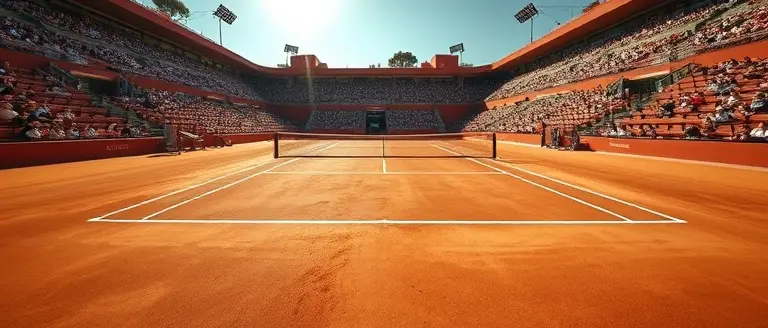
As the Madrid Open quarter-final between Anastasia Potapova and Karolína Plíšková approaches, tactical observers are focused on how these two contrasting styles will dictate the tempo. The primary narrative centers on whether Potapova’s momentum as a ‘lucky loser’ can overcome the structural stability of a resurgent veteran. Having navigated a grueling path to the final eight, Potapova enters this match with the psychological advantage of having defeated top-tier talent, though experts remain concerned about the cumulative physical toll of her extra court time.
Assessing Physical Resilience and Tactical Edge
The most critical factor to monitor is how Potapova manages the fatigue inherent in her extended tournament run. While her defensive resilience was elite during the upset against Rybakina, sustaining that level of intensity against a power-server like Plíšková requires sustained endurance. For fans following the WTA tennis live update, keep an eye on these specific game-day dynamics:
- Service Dominance vs. Return Pressure: Plíšková’s ability to find free points on her first serve will be tested by Potapova’s aggressive baseline returns. If the veteran struggles to hold early, the pressure may mount significantly.
- The ‘Lucky Loser’ Effect: Potapova is playing with “house money,” which often translates to higher-risk, high-reward shot-making. Watch to see if this free-swinging mentality breaks down under the tension of a major quarter-final.
- Concentration Under Fire: Plíšková has faced a two-year drought in reaching this stage of a WTA 1000 event. Her focus during long, high-leverage rallies will determine if she can minimize unforced errors against Potapova’s scrambling defense.
Ultimately, this match-up pits raw grit against seasoned precision. If the match extends into a third set, physical conditioning will likely favor the player who dictates the shorter, sharper points. Regardless of the outcome, the Potapova-Plíšková head-to-head today serves as a masterclass in modern tennis variance.
Master Your Own Mental Game
The clash between Anastasia Potapova and Karolina Pliskova serves as a masterclass in the psychology of sport. Whether it is the fearless, momentum-driven play of a lucky loser or the tactical, grit-filled resurgence of a veteran, the decisive factor is rarely physical alone. It is the ability to maintain cognitive precision while the pressure mounts in the crucial moments of a break point. This mental resilience is not a gift reserved only for tennis professionals; it is a skill that can be developed and refined for your own personal and professional challenges.
Just as these athletes rely on elite mental processing to anticipate serves and execute winning strategies, maintaining your own cognitive edge is the key to mastering your daily performance. To perform at your peak when it matters most, you need tools that mirror the high-level focus required on the court. That is where The Brain Song comes in—a non-invasive, neuroscience-based auditory tool designed to sharpen your clarity and reduce cognitive load.
By integrating this technology into your routine, you can foster the same laser-sharp focus that defines a WTA champion, effectively training your mind to process complex information with calm efficiency. Don’t leave your performance to chance; unlock the cognitive capacity you need to dominate your own arena. The transition from observer to high-performer starts with how you train your mind.
 Train your brain to perform under pressure—discover how The Brain Song can help you achieve the same laser-sharp focus as a WTA champion.Unlock My Peak Performance Now!