
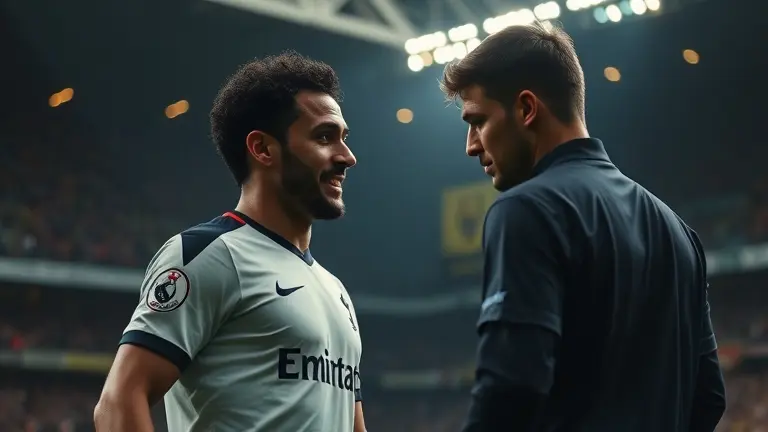
The echoes of the recent clash at Molineux Stadium continue to resonate throughout the Premier League, but not for the tactical brilliance many expected. Instead, the match between Wolverhampton Wanderers and Tottenham Hotspur will be remembered as the moment the landscape of the season fundamentally shifted. The season-ending ACL injury sustained by Xavi Simons has sent shockwaves through the footballing world, casting a long shadow over Tottenham’s aspirations and leaving fans questioning how the team can possibly recalibrate with such a vital creative spark suddenly extinguished.
Beyond the immediate heartbreak of the news, the real story lies in the tactical upheaval now facing the Spurs’ camp. As they scramble to adjust their formation for the final games, the burden on the remaining players to absorb and execute entirely new, complex strategic mandates is immense. In a high-stakes environment where every touch, movement, and split-second decision determines survival, the margin for error has vanished. Now, the team’s success hinges not just on tactical drills, but on the ability of the squad to maintain lethal cognitive focus under the mounting pressure of a dwindling season.
The Aftermath at Molineux: Analyzing the Xavi Simons Injury

The Premier League clash at Molineux Stadium on April 25, 2026, was intended to be a defining moment for Tottenham Hotspur as they fought to navigate the precarious waters of their end-of-season campaign. While the final whistle secured a victory for the visitors, the atmosphere turned somber following a catastrophic incident involving Xavi Simons. During the heat of the second half, the Dutch playmaker suffered a devastating ACL injury, a development that has sent shockwaves through both the Tottenham dressing room and the wider international football community. Medical reports confirmed the severity of the tear, effectively ruling him out for the remainder of the season and casting a shadow over his future participation in upcoming international tournaments.
The tactical ramifications of this injury cannot be overstated. Simons had become the creative fulcrum for his side, and his sudden departure from the pitch at Molineux forced an immediate and unplanned shift in defensive and offensive geometry. The injury incident left players visibly shaken, highlighting the psychological burden carried by squads engaged in high-stakes relegation battles. For Tottenham, the immediate concerns are twofold:
- Tactical Void: Simons provided the necessary link between the midfield and the final third; his absence necessitates a reshuffling of the formation for the remaining games.
- Squad Morale: The loss of a star player during a critical survival push can be demoralizing, requiring strong leadership to maintain focus.
- International Outlook: Beyond the domestic league, the Dutch national team now faces the daunting challenge of preparing for major competitions without one of their most influential technical operators.
As analysts look back at the footage from this match, it is clear that while the result favored Tottenham, the long-term cost may prove far more significant. The club must now pivot rapidly to adjust their game plan, as the margin for error in their current Premier League standing remains razor-thin.
Tactical Pivot: How Tottenham Rebuilds Without Simons
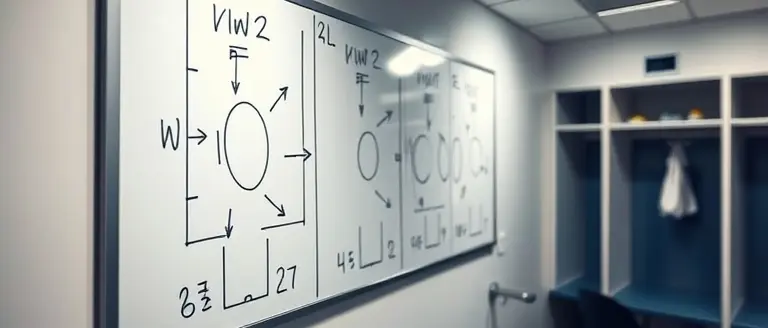
The unfortunate ACL injury sustained by Xavi Simons at Molineux Stadium during the clash against Wolverhampton Wanderers has forced a dramatic tactical recalibration for Tottenham Hotspur. Before his season-ending setback, Simons served as the primary engine for transition, linking midfield security with offensive output. Without his creative flair and high-pressing intensity, the coaching staff faces the daunting task of retooling their system during a critical stretch of the Premier League schedule. Evidence suggests that Spurs will likely transition away from a fluid, possession-based approach toward a more disciplined, low-block structure to compensate for the lost defensive coverage and technical creativity that Simons provided in the final third.
Reconfiguring the Midfield Structure
To stabilize the squad for the remainder of the season, Tottenham must identify personnel capable of managing the creative vacuum. Tactical adjustments to expect include:
- Formation Shift: A move toward a more rigid double-pivot system in midfield to offer greater protection to the backline, sacrificing some attacking freedom for defensive stability.
- Creative Redistribution: Responsibility will likely fall on veteran playmakers to increase their progressive passing frequency, ensuring that the team remains a threat despite the loss of their most dynamic outlet.
- Shift in Transition: Expect a more direct approach when regaining possession, moving away from short-passing build-ups toward long-ball tactics that bypass congested central areas.
The pressure is mounting as Tottenham navigates this survival fight. By leaning into a more pragmatic, defensive-first identity, the squad aims to secure necessary points while adjusting to life without their Dutch star. The challenge remains to balance these cautious tactical shifts with the urgent need for goals, a puzzle that will define their end-of-season trajectory following the chaotic events at Molineux.
Personnel Replacement Options: Deep Dive into the Squad
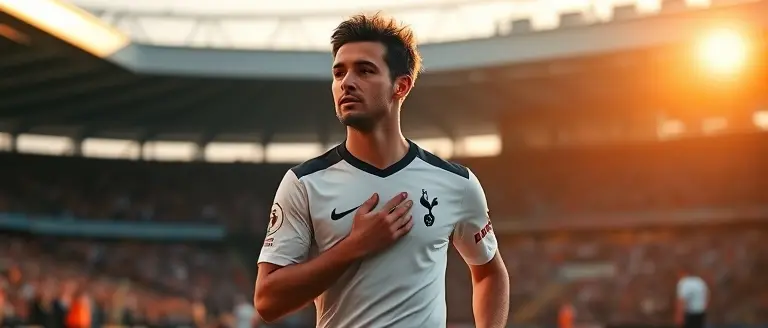
The unfortunate ACL injury sustained by Xavi Simons at Molineux has forced an immediate tactical reckoning for Tottenham Hotspur. As the club navigates a precarious position in the table, the absence of Simons’ versatility—specifically his ability to facilitate progressive carries and transition play—leaves a significant void in the starting XI. Analytics suggest that replacing a player of his profile requires more than a like-for-like swap; it necessitates a structural shift. The coaching staff must now choose between promoting emerging talent from the youth academy or reconfiguring the veteran core to prioritize defensive stability during this high-stakes season finale.
Assessing Internal Replacements
When evaluating current roster options, the data highlights two distinct paths. Deploying an experienced midfielder allows for better control in the final third, though it may sacrifice the explosive pace Simons provided. Conversely, integrating a youth prospect could introduce unpredictability and high-energy pressing, which might be vital against lower-block opponents. Key metrics for the remaining candidates include:
- Pass Completion Rate: Essential for maintaining rhythm under the high-pressure environment of a relegation fight.
- Defensive Recovery: Critical for a team that has historically struggled with transitions after losing possession.
- Progressive Carries: The primary metric identifying who can bridge the gap between the midfield and the striker, mirroring the void left by Simons.
Evidence suggests that a reshuffling of the midfield pivot is the most likely outcome, moving toward a more conservative, double-pivot setup to insulate the backline. While the loss of such a marquee talent is devastating, the depth of the Tottenham squad provides enough tactical flexibility to survive. Whether the solution comes from internal promotion or a veteran tactical pivot, the team must prioritize cohesion at Molineux and beyond to ensure they remain competitive for the duration of the campaign.
The Road Ahead: Survival and Performance Objectives

The atmosphere at Molineux following the April 25 match has left Tottenham Hotspur at a critical crossroads. With the devastating confirmation of Xavi Simons suffering a season-ending ACL injury, the club’s tactical framework must undergo an immediate and drastic transition. The loss of a creative engine like Simons complicates a survival bid that already carried significant pressure. Analysts suggest that without his ability to dictate play in the final third, Tottenham must pivot toward a more pragmatic, defensive-first structure to preserve their Premier League status. This shift away from an attacking-midfield focus necessitates a heavy reliance on the double-pivot system, prioritizing defensive transitions to mitigate the lack of individual brilliance that Simons previously provided.
To navigate the remainder of the season effectively, Tottenham’s coaching staff faces several daunting challenges:
- Tactical Simplification: Moving away from high-pressing complexity to a more compact, low-block strategy to prevent conceding easy goals.
- Squad Psychological Resilience: Countering the morale dip caused by the loss of a star player by focusing on collective accountability rather than individual heroics.
- Fixture Management: Implementing a rotation strategy that protects aging veterans while integrating younger academy prospects who can offer high-energy, albeit less experienced, contributions.
The road ahead is defined by a need for absolute stability. Evidence suggests that teams entering a relegation fight mid-season often thrive when they simplify their tactical demands, focusing on clean sheets as the foundation for survival. As Tottenham prepares for its final fixtures, the absence of Xavi Simons will test the depth of the roster and the adaptability of the management. If the squad can maintain professional discipline despite the heavy emotional toll of the injury, they may find the defensive grit necessary to secure their spot in the top flight. However, the margin for error has vanished, and every remaining match will now be played with the intensity of a cup final.
The Cognitive Edge Required for the Final Stretch
The tragic loss of Xavi Simons to a season-ending injury at Molineux has forced Tottenham into a desperate tactical pivot. While the spotlight remains on personnel replacements, the true challenge lies in the mental load required to synchronize new defensive patterns and high-pressure offensive transitions under the crushing weight of the season’s finale. Success in the coming weeks will not be determined by physical drills alone, but by the squad’s ability to maintain unwavering cognitive clarity amidst the chaos.
This is where elite performance science becomes a decisive differentiator. As players face the cognitive fatigue of adapting to new roles, maintaining peak mental sharpness is the invisible factor that separates successful tactical execution from catastrophic lapses. By integrating advanced mental conditioning tools, high-performers are finding the vital edge necessary to process complex strategic shifts with heightened precision and reduced exhaustion, ensuring that every decision on the pitch is as sharp as the game plan demands.
For those striving to optimize their own performance under pressure, mirroring the mental resilience of elite athletes is the most effective way to navigate high-stakes environments. Unlock the science of sustained focus to ensure you remain as agile and clear-headed as a professional on the biggest stage.
 Discover how elite performers use neuroscience-based sound patterns to maintain peak tactical sharpness and mental agility during the season finale.Yes, I Want To Sharpen My Focus!