
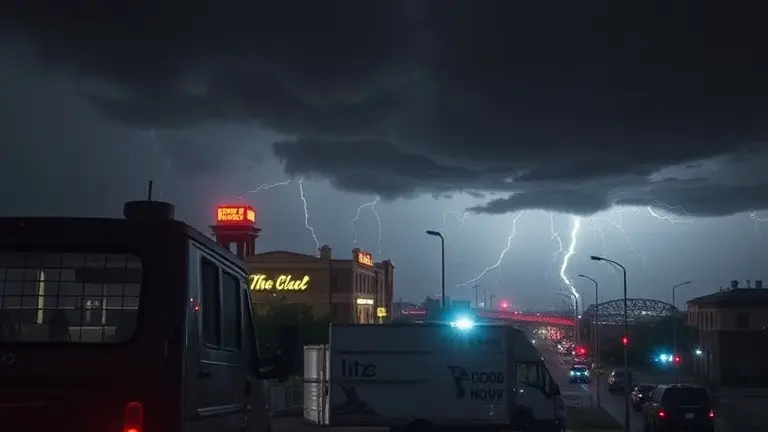
As of April 28, 2026, a dangerous and fast-moving storm system is carving a path across the Mississippi Valley, bringing life-threatening conditions to Memphis and surrounding regions. With confirmed tornado sightings, wind gusts reaching 70 mph, and reports of large hail, the situation remains fluid and highly critical. Whether you are tracking the storm’s trajectory through Middle Tennessee or monitoring alerts in Knoxville, your priority must remain immediate personal safety and situational awareness. Traditional forecasts have shifted from standard weather reporting to an urgent emergency response environment where every minute matters.
While staying sheltered is your immediate mandate, the scale of this outbreak means that infrastructure, power, and property damage may be unavoidable. Thousands are currently facing power outages and structural hazards that require more than just updates; they require actionable, post-storm recovery strategies. This guide serves as your resource for real-time safety navigation and, more importantly, the technical preparation needed to secure your property the moment the skies clear and the immediate danger passes.
Current Severe Weather Situation: Mississippi Valley and Tennessee
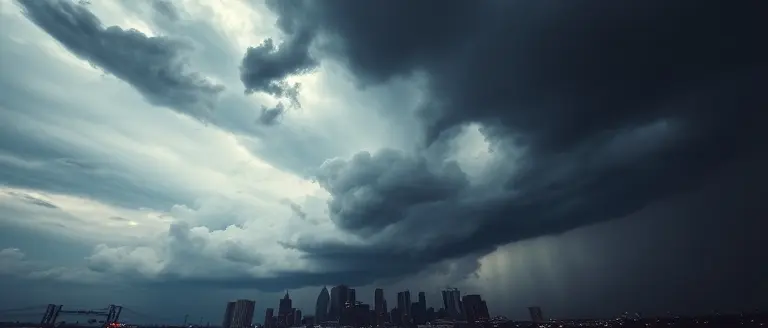
As of April 28, 2026, the Mississippi Valley and Tennessee are under a high-stakes, multi-day severe weather outbreak that poses an immediate threat to life and property. Current memphis weather reports indicate that dangerous storm cells are sweeping across the region, bringing confirmed tornado activity, damaging 70 mph wind gusts, and large, destructive hail. This volatile system is not localized; it is tracking aggressively eastward, necessitating heightened vigilance for residents throughout Middle Tennessee and toward the Knoxville area.
Active Threat Zones and Storm Progression
The storm front is currently interacting with unstable atmospheric conditions, creating rapidly evolving threats. Emergency services are monitoring multiple active supercells. Residents should note the following critical developments:
- Memphis and Western Tennessee: Sustained high-wind gusts are causing localized structural damage and immediate power outages. Crews are currently struggling to access downed infrastructure due to continuing severe weather conditions.
- Nashville and Middle Tennessee: Following reports of a potential nashville tornado, emergency protocols remain in effect. Radar imagery shows heavy rotation embedded within the line, with localized flooding and debris reported.
- Knoxville and Eastern Tennessee: While the system continues to move, knoxville weather alerts have been escalated as the squall line maintains its intensity, bringing risks of 1-inch hail and sudden wind surges.
Ground-level reports emphasize that the situation remains dynamic. If you are in the path of these storms, prioritize seeking shelter in an interior, windowless room immediately. Do not rely solely on outdoor sirens; ensure your mobile devices are set to receive emergency alerts. As the system progresses, focus on monitoring real-time updates for your specific county, as the risk profile is shifting minute-by-minute. Power grid instability is widespread, so keep flashlights and backup communication methods accessible until the front has completely cleared your area.
Emergency Safety Protocols and Shelter Locations

As the Memphis weather situation remains volatile, immediate action is required for those in the path of active storm cells. If a tornado warning is issued for your county, do not wait to see the storm; move to your pre-identified safe space immediately. The safest location is an interior room on the lowest floor of a sturdy building, away from windows, doors, and outside walls. If you are in a mobile home, you must evacuate to a pre-designated sturdy structure; mobile homes offer virtually no protection against the 70 mph wind gusts and potential tornadic activity currently impacting the Mississippi Valley.
Immediate Tornado Survival Steps
- Go to the Lowest Level: Move to a basement, storm cellar, or a small interior room like a closet or bathroom.
- Protect Your Head: Use heavy blankets, pillows, or a mattress to shield yourself from flying debris.
- Stay Informed: Keep a battery-powered weather radio or your mobile device accessible to monitor the movement of cells toward Nashville and Knoxville.
- Avoid Vehicles: Never try to outrun a tornado in a vehicle. If you are caught on the road, find a low-lying area or a sturdy building.
Public shelters and emergency hubs are currently being activated by local authorities across the region. Because utility lines are suffering from widespread power outage reports, residents should rely on local municipal websites or emergency management social media channels to verify the status of the nearest operational shelter. If you are unable to evacuate safely, stay put and minimize movement. Once the immediate threat passes, remain vigilant for downed power lines and gas leaks, and continue monitoring local news outlets like The Commercial Appeal or FOX 17 for ongoing recovery instructions. Do not travel unless absolutely necessary, as emergency crews need clear roads to navigate the widespread storm damage.
Hyper-Local Damage Reports and Outage Tracking

As severe weather continues to impact the Mississippi Valley, residents in Memphis and surrounding areas are urged to prioritize real-time infrastructure data over social media speculation. With 70 mph wind gusts and confirmed tornado threats causing widespread utility disruptions, tracking your specific local status is critical for safety and recovery planning. The volatility of this memphis weather event means that power grids are currently fluctuating; therefore, relying on official utility provider portals is the most reliable way to receive accurate restoration estimates for your neighborhood.
Real-Time Outage Resource Directory
To check the status of your electricity, residents should utilize the following official resources:
- MLGW (Memphis Light, Gas and Water): Monitor the live outage map on their official website. This remains the primary source for neighborhood-specific restoration times.
- County Emergency Management: Check local county websites for verified, ground-level damage reports. These platforms provide the most current data on road closures and hazard zones.
- Tennessee Emergency Management Agency (TEMA): Visit the official TEMA portal for state-wide alerts, which often include crucial information regarding recovery efforts in Nashville and surrounding areas.
How to Monitor Damage Safely
While tracking nashville tornado impacts and the broader storm movement, do not attempt to verify damage personally if sirens are active or if downed power lines are suspected. If you encounter debris or significant structural failure, report it immediately to your local non-emergency dispatch line. Aggregated data from knoxville weather stations and regional news outlets may provide broad summaries, but your local utility map serves as the only verified source for infrastructure status. Always keep mobile devices charged to access these web-based trackers, and if power is lost, use low-bandwidth text alerts to stay connected to regional emergency updates. By focusing on official digital infrastructure trackers, residents can avoid unnecessary risks and help emergency crews prioritize response efforts efficiently.
Post-Storm Recovery and Reporting Hazards

As the immediate threat of Memphis weather cells diminishes, the danger shifts from active tornadoes to post-storm environmental hazards. Staying safe in the aftermath requires a disciplined approach, especially as utility crews work to restore power. First, assume all downed power lines are energized and lethal. Keep a safe distance of at least 30 feet, and report them immediately to your local utility provider. Do not attempt to move tree limbs or debris near utility equipment, as power lines may be entangled and hidden from sight.
Navigating Hazards and Infrastructure
Standing water often conceals sharp debris, broken glass, or dangerous electrical currents. Avoid walking or driving through flooded areas, as the depth and force of moving water are frequently underestimated. If your home has sustained damage, ensure the structure is stable before re-entering. If you smell gas or suspect a leak, leave the premises immediately and contact emergency services. For those monitoring the nashville tornado recovery or the broader regional impact, ensure you have a battery-operated radio or a mobile device with a power bank to receive ongoing emergency alerts.
Documenting and Reporting Damage
Strategic documentation is essential for insurance claims and potential disaster assistance. Before beginning any cleanup, follow these steps to secure your recovery:
- Prioritize Safety: Use protective gear, including sturdy boots and gloves, when surveying property damage.
- Photograph Everything: Capture detailed images of structural damage, fallen trees, and interior flooding before moving any items.
- Contact Your Insurer: File claims as soon as it is safe to do so. Keep a written record of every conversation with insurance adjusters.
- Coordinate with Local Officials: If you live in areas heavily impacted by recent storms, check municipal websites for debris removal guidelines and temporary shelter locations.
By remaining vigilant and methodical, you can mitigate long-term risks while effectively navigating the recovery process across Tennessee and the Mississippi Valley. Always rely on verified updates from local authorities regarding the status of infrastructure in your specific neighborhood.
From Crisis to Restoration: Securing Your Property
As the severe weather front pushes eastward, the focus for homeowners must pivot from emergency tracking to essential property recovery. Storm damage, ranging from compromised fences to structural debris, creates immediate hazards that often leave residents waiting weeks for overstretched contractors. You do not have to remain in a state of helplessness while your home’s security is at risk; proactive preparation is the most effective way to stabilize your living environment in the immediate aftermath of a disaster.
This is where the right technical tools become a vital part of your emergency recovery plan. Ted’s Woodworking provides the precision blueprints and structural repair plans necessary to handle essential DIY home fixes safely and efficiently. By having these professional-grade resources at your fingertips, you can bypass the uncertainty of repair wait-lists and gain the capability to execute code-compliant, durable repairs yourself, effectively turning a moment of chaos into a successful recovery phase.
Don’t wait until the damage is assessed to figure out your next move. Empower yourself with the blueprints required to handle the aftermath of this storm system immediately, ensuring your home remains a safe haven for you and your family.
 Download your essential repair and structural recovery blueprints now to ensure you have the plans ready to secure your home the moment the winds die down.Secure My Home Repair Plans Now!