
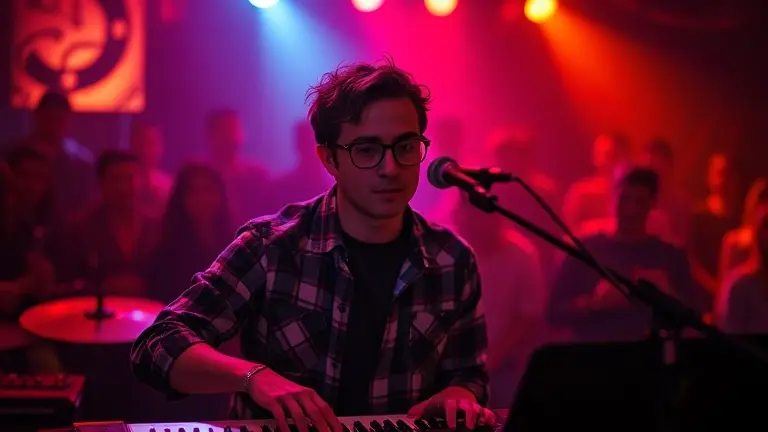
In an era where the music industry often feels like a sprawling, disconnected machine, Jack Antonoff stands as a rare, stabilizing force. From the intricate soundscapes of the Mother Mary soundtrack to his relentless advocacy for fan rights against predatory ticket scalping, Antonoff has evolved from a prolific producer into a central cultural lightning rod. His recent public stands, particularly his vocal opposition to the exploitation of fans during high-profile residencies, signal a shift in how modern artists interact with the power dynamics of the live entertainment business. By bridging the gap between high-art creative output and the gritty, logistical battles of the industry, he has carved out a persona that is as fiercely protective of the art as it is of the audience.
Yet, maintaining this level of professional multi-hyphenation—juggling the rigors of studio production with the intense demands of public advocacy—requires an extraordinary capacity for focus. Antonoff’s career highlights the reality that top-tier creativity is not merely about talent; it is about sustained mental clarity in a landscape designed to fracture one’s attention. As we navigate the tension between his public influence and his private creative process, a deeper question emerges: How can we replicate that same level of cognitive endurance in our own high-pressure lives?
Jack Antonoff in 2026: The Intersection of Advocacy and Public Scrutiny

As of April 2026, Jack Antonoff has cemented his status as more than just a Grammy-winning producer; he has emerged as a vocal industry advocate navigating the complex pressures of modern fame. Balancing high-profile creative endeavors—such as his influential work on the ‘Mother Mary’ soundtrack—with a rising tide of public scrutiny, Antonoff represents a new archetype of the musician as a cultural activist. His recent trajectory reflects an artist increasingly willing to leverage his platform to challenge systemic industry issues, most notably the predatory practices surrounding live concert ticketing.
Advocacy Against Ticket Scalping
In late April 2026, Antonoff made waves by taking a proactive stance against ticket scalpers targeting a Harry Styles residency in New York City. By publicly confirming action and engaging with platforms like Ticketmaster to protect the fan experience, he moved beyond passive frustration into active, industry-level intervention. His advocacy highlights several critical tensions in the current live music economy:
- Fan-First Initiatives: Prioritizing legitimate fans over algorithmic scalping bots.
- Corporate Accountability: Pushing platforms to implement more rigid verification and refund policies.
- Industry Leadership: Setting a precedent for high-profile artists to demand transparency in the ticket resale market.
Navigating the Personal and the Professional
Simultaneously, Antonoff has faced a barrage of media interest regarding his personal life, ranging from the “vulture-like” paparazzi behavior witnessed at his wedding to Margaret Qualley, to renewed public discourse stemming from Lena Dunham’s recent memoir, ‘Famesick’. Rather than retreating from the public eye, Antonoff has utilized these moments to establish firm boundaries. By addressing the discomfort of constant surveillance, he has reframed his narrative, signaling that his commitment to his craft—whether scoring film or producing global hits—is separate from his right to personal privacy. This transition marks a maturation in his public persona, where he effectively separates his identity as a private citizen from his role as a public-facing advocate for the integrity of the music industry.
The War on Scalping: Antonoff as a Champion for Fan Rights
In the landscape of modern live music, Jack Antonoff has transitioned from being strictly a behind-the-scenes architectural force to a vocal advocate for the fan experience. His recent intervention regarding the Harry Styles residency in New York City highlights a deepening rift between industry standard practices and the core fanbase. When Antonoff used his platform on X in late April 2026 to address the rampant ticket scalping affecting these shows, he wasn’t just commenting on a single event; he was signaling a pivot toward professional accountability. By confirming that measures were being taken to mitigate predatory behavior, he positioned himself as a bridge between the artist’s intent and the logistical reality of the secondary ticket market.
Why Producer Advocacy Matters
Antonoff’s unique stature as a producer who collaborates with the industry’s biggest icons—from Taylor Swift to Lana Del Rey—provides him with the political capital necessary to challenge predatory pricing models. Unlike artists who may be insulated from the complexities of ticket distribution, Antonoff’s consistent, transparent engagement with his audience makes him a potent messenger. His approach centers on the philosophy that the music industry, at its best, relies on communal experiences that should not be gatekept by bots or price-gouging resellers.
Several factors underscore why Antonoff’s voice is particularly influential in this fight:
- Industry Credibility: As an elite producer, his influence extends beyond his own project, Bleachers, affecting how major tours are structured.
- Direct Fan Engagement: He maintains a level of accessibility that makes his advocacy feel personal rather than corporate, reinforcing a bond of trust with listeners.
- Cultural Leverage: By linking his public standing to systemic reform, he forces platforms to acknowledge the reputational cost of ignoring fan displacement.
As the industry grapples with the fallout of the Mother Mary soundtrack era and ongoing concerns about access, Antonoff serves as an essential watchdog. His willingness to call out the “vulture-like” nature of modern ticket sales suggests that he is not just concerned with the sonic quality of his work, but the health of the entire ecosystem that supports the music he creates.
Beyond the Studio: The Modern Producer as a Cultural Critic
The traditional role of the music producer has historically been defined by sonic architecture—shaping the frequency, tone, and emotional resonance of a record within the sanctuary of the studio. However, as of 2026, Jack Antonoff has redefined this mandate, transitioning from a behind-the-scenes collaborator to a prominent cultural critic and industry advocate. This shift reflects a new paradigm where producers are expected to bear the weight of artist accountability, managing not just the audio quality of a project but the ethics of how that music reaches its audience. By addressing systemic issues, Antonoff demonstrates that the modern music creator is now an active participant in the commercial and ethical lifecycle of live performance.
This expansion of influence is evident in how Antonoff leverages his platform to challenge exploitative industry standards. His recent, vocal opposition to ticket scalping—particularly concerning high-profile events like the Harry Styles residency—marks a departure from the silent, service-oriented model of past producers. His public stance suggests that today’s top-tier producers view their professional responsibility as encompassing the entire fan experience. Key aspects of this evolution include:
- Industry Advocacy: Moving beyond music production to influence policy-level conversations regarding fair ticketing systems and consumer protection.
- Boundary Management: Utilizing his platform to critique the “vulture-like” encroachment of tabloid culture on private life, as seen in his recent commentary regarding his marriage to Margaret Qualley.
- Cross-Disciplinary Engagement: Balancing high-level creative contributions, such as his work on the Mother Mary soundtrack, with the public-facing demands of being an influential entertainment figure.
As the lines between private life, public creative work, and industry activism continue to blur, producers like Jack Antonoff serve as vital conduits for change. By refusing to remain a passive bystander, he signals that creative integrity is no longer confined to the studio walls; it now requires active engagement in the broader economic and social health of the music ecosystem. This willingness to speak out transforms the producer from a mere technician into a necessary stakeholder in the fight for a more ethical entertainment industry.
Defining the Future of Live Entertainment Ethics

The recent public intervention by Jack Antonoff regarding ticket scalping for high-profile residencies marks a significant inflection point in the relationship between artists and the live music ecosystem. By moving beyond traditional behind-the-scenes negotiations and taking his frustrations directly to social platforms, Antonoff is signaling that the era of passive artist participation in ticketing logistics is ending. His advocacy highlights the urgent need for a more equitable live entertainment model that prioritizes the fan experience over the predatory profit margins extracted by third-party scalpers. As the industry grapples with monopolistic gatekeepers, Antonoff’s stance serves as a blueprint for how influential creators can leverage their cultural capital to demand systemic change in how tickets reach their audience.
Strategies for a More Ethical Marketplace
To address the current ticketing crisis, the industry must move toward structural reforms that emphasize transparency and direct artist control. Potential solutions gaining momentum among artists and independent promoters include:
- Decentralized Ticketing Platforms: Utilizing blockchain or secure, artist-controlled portals that allow for verifiable fan identity, preventing automated bot usage and illicit mass-buying.
- Dynamic Pricing Transparency: While dynamic pricing is a standard tool, its current application often leads to consumer alienation. Establishing strict caps and clearer disclosures can help restore trust.
- Anti-Scalping Legislation: Pushing for federal regulations that mandate the disclosure of ticket inventory and restrict the resale markup, effectively limiting the secondary market’s ability to inflate prices artificially.
- Direct-to-Fan Allocation: Prioritizing verified fan clubs and mailing lists to ensure that tickets are held by genuine concert-goers rather than speculative investors.
Antonoff’s proactive engagement, particularly concerning recent Harry Styles ticketing issues, illustrates that artist-led platforms could soon bypass traditional behemoths entirely. By prioritizing fan-first accessibility, producers like Antonoff are not merely recording music; they are actively shaping the ethics of the modern concert economy. This shift suggests that the future of live performance will be defined by artists who successfully reclaim the gatekeeper role, ensuring that the connection between a performer and their audience is not mediated by exploitative financial practices.
Harnessing Your Own Creative Edge
Jack Antonoff’s ability to pivot between the delicate nuances of film scoring and the hard-nosed negotiation of ticket equity is no accident. It is the result of a mind conditioned to handle high-stakes creative demand without succumbing to the mental fatigue that plagues so many in the industry today. Achieving this level of sustained cognitive output requires more than just raw drive; it requires the right mental conditioning to filter out the noise and lock into what truly matters.
Just as Antonoff relies on deep focus to navigate the complex, high-pressure demands of the modern music industry, achieving this level of sustained cognitive performance requires a strategic approach to brain health. This is where The Brain Song becomes an essential tool for the modern professional. Designed as a cognitive accelerator, it helps bridge the gap between creative exhaustion and peak mental agility. By utilizing its specialized 12-minute auditory routine, you can effectively mitigate cognitive fatigue and sharpen your focus, mirroring the very discipline that fuels industry leaders like Antonoff.
Whether you are a creator, a professional, or someone striving for higher intellectual clarity, this is your opportunity to upgrade your mental toolkit. Experience the same cognitive sharpness that sustains elite performance in the entertainment world and beyond. Don’t let mental fog hold your potential hostage any longer.
 Unlock your own creative potential and maintain peak mental performance with The Brain Song’s 12-minute auditory routine.Yes, I Want This Now!