
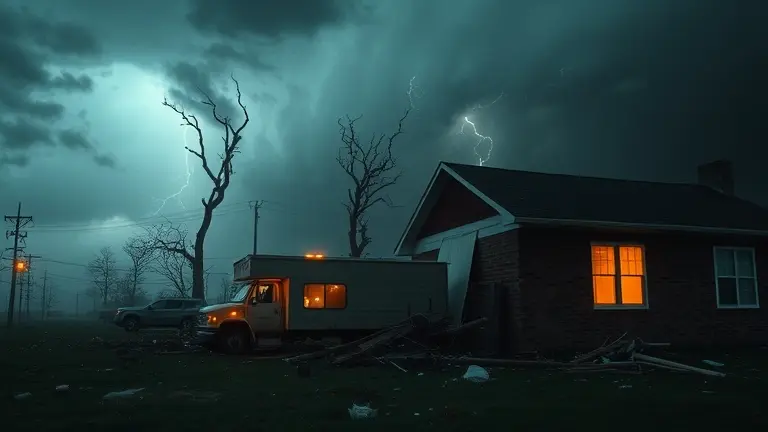
The severe weather outbreak that swept through North Texas on April 25-26, 2026, has left many neighborhoods across the Dallas-Fort Worth metroplex grappling with the devastating aftermath of tornadoes, flash flooding, and destructive hail. While emergency teams continue to manage the recovery efforts in affected areas like Wise and Parker counties, residents are now faced with the daunting reality of damaged roofs, compromised siding, and debris-laden properties. The volatile dryline system that fueled these intense storms acted with terrifying speed, catching many off-guard and leaving homeowners with immediate, urgent concerns about the structural integrity of their houses.
As the active weather risks fade, the priority for North Texans is shifting toward assessment and recovery. Whether you are dealing with broken fences, damaged porches, or structural exterior breaches, knowing how to stabilize your property before further damage occurs is essential. This guide is designed to help you navigate the post-storm landscape, providing the clarity you need to document your losses for insurance and, more importantly, to begin the practical, hands-on work of reclaiming and securing your home.
Overview of the April 25-26 North Texas Severe Weather Outbreak
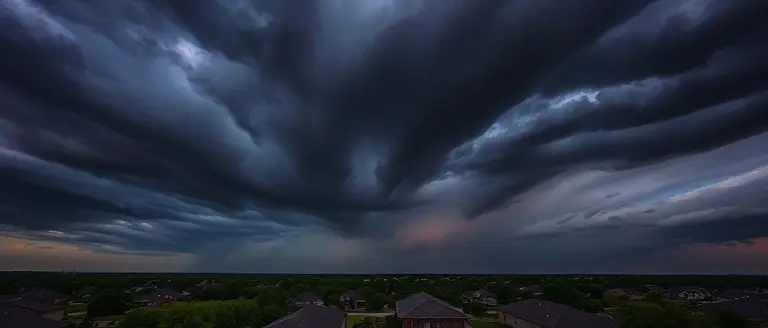
On April 25 and 26, 2026, a volatile atmospheric setup triggered a significant North Texas tornado warning event, resulting in widespread destruction and tragedy across the Dallas-Fort Worth metroplex. Driven by an aggressive dryline system, the storms developed rapidly on Saturday afternoon, characterized by high instability and intense wind shear. This meteorological combination fueled a series of supercell thunderstorms that produced confirmed tornadoes, torrential flash flooding, and dangerous hail, impacting multiple communities throughout the region.
Documented Impacts and Affected Regions
The severe weather outbreak left a trail of destruction, with the most severe impacts concentrated in Wise and Parker counties. Local authorities and meteorological reports have confirmed:
- Fatalities: At least two deaths were reported in Wise and Parker counties, highlighting the lethal nature of this specific storm system.
- Property Damage: Significant structural damage was observed in Runaway Bay and Springtown, where homes and businesses were directly hit by the storms.
- Tornado Warnings: Residents across North Texas remained under high-alert conditions throughout Saturday night, with extended watches continuing into the early hours of Sunday, April 26, for counties including Collin, Cooke, and Grayson.
The rapid evolution of the storm system caught many by surprise, despite the active monitoring by the National Weather Service. While the immediate threat has subsided, the aftermath involves complex recovery efforts for homeowners grappling with debris, power outages, and infrastructure damage. The event serves as a somber reminder of the volatility associated with spring weather in North Texas. Emergency management agencies continue to assess the full extent of the damage as residents begin the difficult process of recovery and documentation for insurance purposes.
Current Status and Impacted Areas
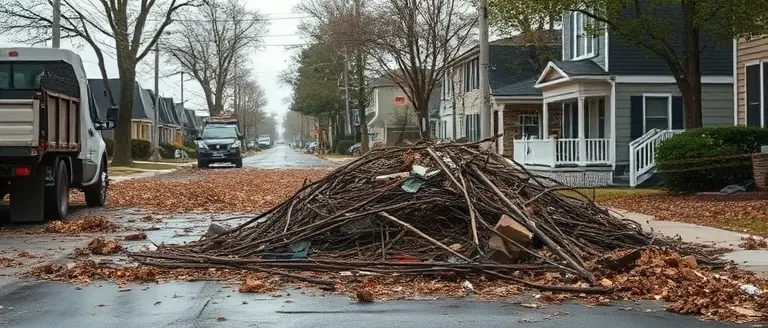
The North Texas tornado warning events of April 25-26, 2026, have left a path of significant destruction, transitioning the region from an active weather emergency to a critical recovery phase. While the most severe supercells have pushed east, the lingering impact of this dryline-driven system remains a concern for local authorities. Residents in the hardest-hit zones are now focusing on debris removal and structural assessments, while secondary risks, including localized flash flooding and potential power grid instabilities, persist in several northern counties.
Heavily Impacted Locations
Verified damage reports confirm that several North Texas communities bore the brunt of the storm’s intensity. The following areas have been identified as primary zones requiring emergency assistance and debris cleanup efforts:
- Wise County: Areas in and around Runaway Bay sustained significant structural damage and confirmed fatalities.
- Parker County: Springtown and surrounding rural sectors reported major property losses and storm-related casualties.
- North Texas Perimeter: Ongoing surveillance remains active for Collin, Cooke, and Grayson counties, where late-night tornado watches transitioned into recovery operations.
Monitoring and Safety Resources
As the region stabilizes, it is vital to rely on verified data to avoid misinformation. Official emergency management dashboards provide the most accurate assessment of current road closures, power restoration timelines, and shelter availability. Residents should continue to monitor the National Weather Service (NWS) Fort Worth office for any updates regarding secondary flood warnings or late-developing atmospheric shifts.
For those navigating recovery, please consult the following authoritative resources:
- NWS Fort Worth Weather Forecast Office – Real-time meteorological data and storm mapping.
- Local County Emergency Management Dashboards – Check specific county websites for immediate disaster relief instructions, debris pickup schedules, and safety protocols for handling downed power lines.
If your property has been affected, document all damage with photographs before initiating cleanup to assist with future insurance claims and potential federal aid applications. Ensure your path to recovery is guided by official, verified sources to maintain the safety of your household during this aftermath.
Immediate Safety and Recovery Checklist

In the wake of the severe weather outbreak that triggered a north texas tornado warning and subsequent destruction, prioritizing physical safety remains the most critical step for impacted residents. As you begin to assess your property, remember that structural integrity may be compromised even if the damage appears superficial. Before re-entering your home, perform a visual sweep for gas leaks, exposed electrical wiring, or shifted foundations. If you smell gas or hear a hissing noise, evacuate the area immediately and contact emergency services or your local utility provider from a safe distance. Never attempt to move debris that may be hiding downed power lines, as these can remain energized even during a widespread power outage.
Essential Steps for Post-Storm Safety
Navigating the recovery process requires a methodical approach to ensure you and your family stay protected from secondary hazards. Follow this checklist to manage your immediate environment effectively:
- Document Everything: Before performing any repairs or cleanup, take clear, date-stamped photographs or videos of all structural damage. This evidence is vital for your insurance claims process.
- Report Outages and Hazards: Use official channels, such as the websites for Oncor or your local municipal electricity provider, to report downed lines or localized blackouts. Avoid calling 911 for power issues to ensure phone lines remain clear for life-threatening emergencies.
- Navigate with Caution: Wear sturdy, closed-toe shoes and heavy work gloves when moving through debris. Be wary of standing water, which may harbor sharp objects, sewage, or live electrical currents.
- Coordinate with Responders: Follow all instructions from local emergency management and law enforcement. If you are in a heavily impacted area like Wise or Parker counties, check verified social media feeds from local authorities for real-time updates regarding road closures or restricted zones.
- Secure the Perimeter: If your home has significant damage, prevent unauthorized access and protect your belongings from further exposure to the elements by covering broken windows or holes in the roof with tarps, provided it is safe to do so.
Recovery from the April 2026 storms is a marathon, not a sprint. Do not rush into dangerous repair work; instead, focus on stabilizing your property and contacting your insurance agent to initiate the recovery process. Prioritize your health and wait for official clearance before attempting to clear large-scale wreckage.
Community Support and Resources for Residents
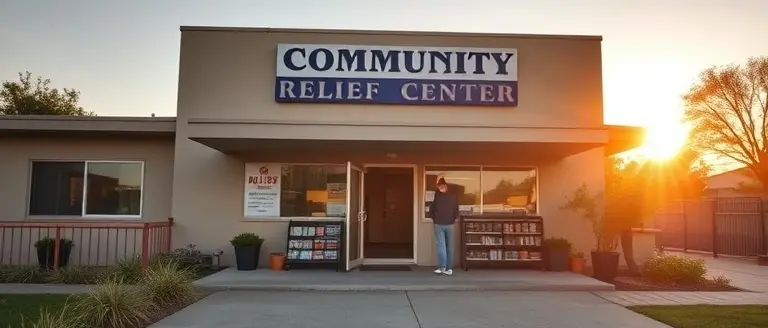
In the wake of the severe north texas tornado warning and the subsequent damage reported across Wise and Parker counties, local authorities and relief organizations have mobilized to provide immediate assistance to affected residents. Recovering from a major weather event is a multifaceted process that requires patience and a reliance on verified information. If your home has sustained damage, your first priority should be safety; please ensure that gas lines, electrical systems, and structural foundations are inspected by professionals before entering or inhabiting damaged properties. Residents in hard-hit areas like Runaway Bay and Springtown are encouraged to contact their local Emergency Management Office to report property loss and access immediate aid, such as emergency shelter and supply distribution sites.
Connecting with Disaster Relief Services
For those displaced or in need of supplies, several established organizations are coordinating the regional recovery effort. Accessing these services early can help expedite the process of obtaining temporary housing or clean-up assistance. Residents should utilize the following resources for support:
- American Red Cross (North Texas Chapter): Provides emergency shelter, food, and emotional support to families displaced by the storm. Visit their website or call 1-800-RED-CROSS for real-time shelter locations.
- Texas Division of Emergency Management (TDEM): Monitors the north texas tornado warning aftermath and provides guidance on state-level recovery assistance and debris removal protocols.
- Local Non-Profits: Organizations such as the Salvation Army and United Way are actively collecting donations and coordinating volunteer efforts for neighborhood cleanup.
- Insurance Guidance: When documenting damage, take comprehensive photos and videos of all impacted areas before beginning any repairs. Contact your insurance carrier promptly to initiate a claim, ensuring you keep a detailed log of all conversations and provided reference numbers.
Community-led recovery is a hallmark of the Dallas-Fort Worth region. Neighbors are encouraged to coordinate through verified local social media channels and municipal websites to offer help safely. Avoid wandering into restricted areas to prevent interference with professional search and recovery teams. By relying on official channels for information, you ensure that resources reach those with the most urgent needs as the region begins the long process of rebuilding.
Rebuilding Resilience: Taking Control of Your Home Repairs
As the immediate danger of the North Texas storm outbreak subsides, the focus must shift from survival to the critical work of property recovery. Assessing the damage is only the first step; restoring your home to a state of safety and security is a monumental task, especially when local contractors are overwhelmed and unavailable. You don’t have to wait weeks for professional assistance to make your living space secure again.
As you move from assessing your property’s damage to the recovery phase, having the right technical resources on hand is essential for making safe and lasting repairs. Ted’s Woodworking acts as your ultimate ‘Resilience Tool,’ providing the technical certainty needed to rebuild and secure your home effectively without the frustration of guesswork. By utilizing workshop-tested, precise blueprints, you can take immediate action to stabilize damaged structures, proving that self-reliance is the fastest path to restoring your peace of mind.
Equip yourself with the master plans needed to secure and restore your home today; get access to professional-grade blueprints for every repair project.
 Equip yourself with the master plans needed to secure and restore your home today; get access to professional-grade blueprints for every repair project.Start My Repairs Today!