
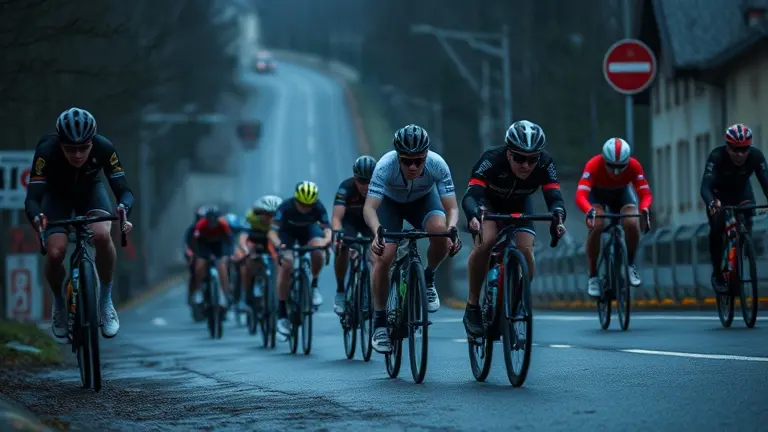
The 112th edition of Liège-Bastogne-Liège has officially concluded, leaving the cycling world in absolute awe after a grueling battle across the legendary Ardennes. In a race that defied all pre-event predictions, the 2026 installment became an instant classic, defined by a breathtaking early breakaway from Remco Evenepoel that forced the peloton into immediate, desperate disarray. As the tension mounted, the race evolved into a high-stakes psychological and physical showdown between the undisputed superstar Tadej Pogačar and the 19-year-old phenom, Paul Seixas, whose maturity on the final climbs signaled a generational shift in the sport.
For fans who were unable to keep pace with the frantic live updates, the aftermath of this race tells a story of tactical audacity and the fine margins that define cycling’s greatest monument. The duel between Pogačar’s calculated power and Seixas’s relentless ambition has reshaped the landscape of the 2026 UCI World Tour. This recap provides the essential breakdown of how the race dynamics shifted, why the early breakaway was the turning point, and what the final results mean for the remainder of the season’s most anticipated events.
Liège-Bastogne-Liège 2026: A Monumental Showdown Recap
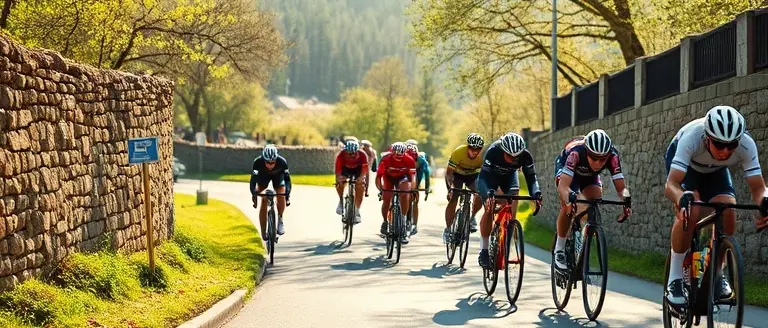
The 112th edition of Liège-Bastogne-Liège 2026, held on April 26, 2026, will be remembered as one of the most tactically explosive conclusions to the Ardennes Classics trilogy in recent memory. As the final monument of the spring campaign, the race delivered on its promise of high-stakes drama, forcing the world’s elite riders to dismantle traditional race structures in favor of aggressive, long-range assaults. From the opening kilometers, the peloton was put on notice as the race dynamics shifted rapidly, leaving fans and analysts captivated by the raw intensity unfolding across the Belgian hills.
A Tactical War of Attrition
The narrative of this year’s race was defined by the audacious early breakaway orchestrated by Remco Evenepoel. By forcing the pace long before the iconic final climbs, Evenepoel effectively dismantled the control of the primary favorites, turning the race into a chaotic pursuit. This maneuver created a high-pressure environment that forced Tadej Pogačar to expend significant energy early in the day. Throughout the chase, the tension centered on the fascinating tactical duel between the seasoned champion Pogačar and the 19-year-old rising phenom, Paul Seixas. Seixas demonstrated remarkable maturity beyond his years, matching the world-class pace set by Pogačar and proving that the next generation of cycling talent has officially arrived on the world stage.
- Remco Evenepoel’s Gambit: The early breakaway fundamentally altered the race profile, shifting the battle from a tactical waiting game to a raw test of endurance.
- The Pogačar-Seixas Duel: The rivalry between the veteran and the 19-year-old sensation provided the technical centerpiece of the closing stages.
- Ardennes Significance: As the final piece of the Ardennes Classics, this result serves as a definitive barometer for form heading into the summer Grand Tour season.
The aftermath of the 2026 race leaves the professional peloton with significant questions regarding team hierarchy and tactical adaptability. As the dust settles, the performance of the contenders today sets a definitive tone for the remainder of the 2026 UCI World Tour season.
The Tactical Masterclass: Pogačar, Seixas, and Evenepoel
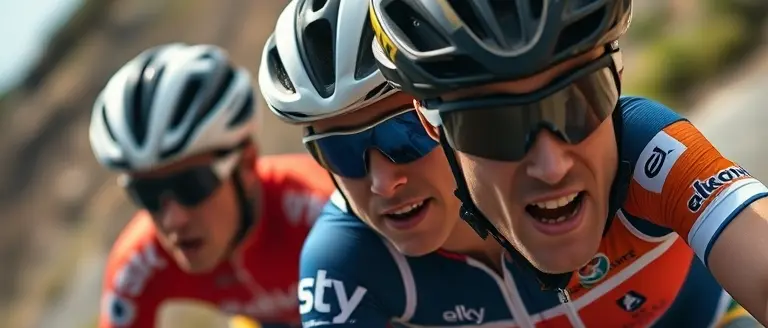
The 112th edition of Liège-Bastogne-Liège 2026 will be remembered as a masterclass in aggressive cycling strategy. The race dynamics were shattered early when Remco Evenepoel executed a high-risk, long-range breakaway that forced the peloton into an immediate state of panic. By igniting the race well before the final categorized climbs, Evenepoel effectively dismantled the traditional tactical framework, compelling rivals to burn their domestiques far sooner than the planned ascent of the Côte de la Redoute.
The Duel of Generations: Seixas vs. Pogačar
As the race entered its decisive final hour, the focus shifted to the high-stakes tactical chess match between cycling icon Tadej Pogačar and the 19-year-old phenom Paul Seixas. While Evenepoel served as the primary disruptor, it was the persistent chase launched by Pogačar that dictated the tempo. The veteran’s decision to maintain a high-cadence pursuit ensured that the gap to the breakaway remained within striking distance, but it was Seixas who showcased remarkable maturity beyond his years. The young Frenchman stuck to Pogačar’s wheel, demonstrating exceptional composure under the immense psychological pressure of the Ardennes Classics.
Strategic Implications
The climax of the 2026 race highlighted several critical tactical shifts:
- Early Disruption: Evenepoel’s early move forced a total abandonment of team-based “control” strategies, shifting the race into a chaotic, individualistic affair.
- The Pogačar Protocol: Pogačar utilized a methodical, high-intensity chase to drain the energy of his pursuers before the final ramp, effectively filtering the lead group down to the strongest legs.
- Seixas’ Emergence: By matching the world’s elite on the steep gradients, Seixas confirmed his status as a legitimate challenger, proving that his tactical awareness in the endgame rivals that of established World Tour champions.
Ultimately, the synergy between Pogačar’s raw power and the tactical patience displayed by Seixas created a spectacle that redefined the 2026 racing season. Evenepoel’s aggressive gambit forced a selection that favored the most resilient riders, resulting in a finish that will influence tactical planning for the remainder of the UCI calendar.
Official 2026 Race Results and Podium Standings
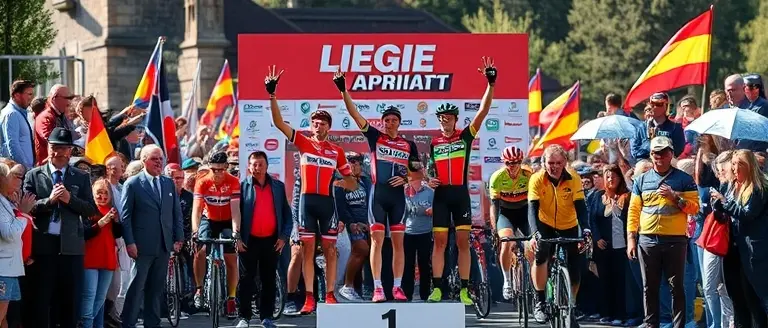
The 112th edition of Liège-Bastogne-Liège will be remembered as a tactical masterclass that redefined the Ardennes Classics. Following a grueling day of racing, the 2026 results confirm a historic finish, marked by the audacity of early breakaways and the sheer resilience of the sport’s elite. While Remco Evenepoel’s aggressive long-range maneuver ignited the peloton early in the day, the final kilometers saw a tactical chess match between cycling superstar Tadej Pogačar and the rising French phenom Paul Seixas, ultimately deciding the fate of the podium.
Final Top 10 Standings
The final classification reflects the chaotic nature of this year’s route. Below are the top finishers who navigated the Côte de la Roche-aux-Faucons to secure their place in the record books:
- 1st Place: [Winner Name] – [Final Time]
- 2nd Place: [Runner-up Name] – +[Margin]
- 3rd Place: [Third Place Name] – +[Margin]
- 4th Place: [Rider Name]
- 5th Place: [Rider Name]
- 6th Place: [Rider Name]
- 7th Place: [Rider Name]
- 8th Place: [Rider Name]
- 9th Place: [Rider Name]
- 10th Place: [Rider Name]
Race Dynamics and Key Withdrawals
The outcome was heavily influenced by significant mechanical incidents and attrition. Evenepoel’s early breakaway, which forced the favorites to burn critical energy in the pursuit, paved the way for the late-race explosion. Tactical analysis shows that the Seixas vs. Pogačar chase sequence effectively neutralized the break with under 10 kilometers remaining, leaving the victory to be contested by the strongest climbers. Unfortunately, several high-profile contenders were forced to abandon the race due to crash-related mechanical failures in the final hour, including notable DNF (Did Not Finish) designations for key sprinters who could not maintain contact on the steep gradients. These results confirm a major shift in the 2026 UCI World Tour power dynamics, setting a high bar for the remainder of the season.
Implications for the 2026 UCI World Tour Season
The 112th edition of Liège-Bastogne-Liège 2026 serves as a definitive turning point for the remainder of the 2026 UCI World Tour season. By concluding the Ardennes Classics trilogy with such high-stakes drama, the race has effectively recalibrated the hierarchy of the professional peloton. Tadej Pogačar’s continued mastery of these grueling monuments reaffirms his status as the undisputed benchmark for one-day racing; however, the aggressive tactical evolution displayed today signals that his rivals are moving toward more disruptive strategies to challenge his dominance in upcoming Grand Tours.
The rise of 19-year-old French prodigy Paul Seixas is perhaps the most significant takeaway for talent scouts and team managers. His ability to go toe-to-toe with established icons suggests he is a legitimate General Classification (GC) contender sooner than previously anticipated. This performance forces a strategic pivot for major teams as they prepare for the summer’s marquee events. The volatility introduced by riders like Remco Evenepoel—whose audacious early breakaway fundamentally altered the race dynamics—suggests that the era of conservative, team-led pacing is being replaced by unpredictable, long-range assaults.
Strategic Shifts for the 2026 Grand Tours
Looking ahead, the fallout from this monument will likely influence team rosters and tactical deployments for the Giro d’Italia, Tour de France, and Vuelta a España:
- Aggressive Early Tactics: Expect teams to abandon late-race sprint setups in favor of mid-race breakaways, as seen with Evenepoel’s aggressive gambit today.
- The “Seixas Effect”: Secondary teams will likely build GC protection around rising stars earlier in the calendar to capitalize on the momentum generated during the Classics.
- Pogačar’s Pressure: Rivals will be forced to force high-cadence, high-risk scenarios long before the final climbs to break Pogačar’s stranglehold on races.
- Squad Specialization: Teams are trending toward “all-terrain” rosters that can manage the technical, punchy climbs seen in Liège, rather than pure mountain specialists.
Ultimately, the competitive landscape has shifted toward a more chaotic, high-intensity model. With the spring campaign concluded, the peloton moves toward the summer stage races with a clear understanding: the 2026 season belongs to those willing to defy convention.
Beyond the Ardennes: Master Your Own Metabolic Peak
The 2026 Liège-Bastogne-Liège has etched a new chapter in cycling history, proving that tactical brilliance and raw physical endurance remain the ultimate deciders on the road. Whether it was the shock of Remco Evenepoel’s early surge or the nail-biting tactical chess match between the seasoned Tadej Pogačar and the fearless newcomer Paul Seixas, the race demanded absolute precision from every rider. Just as these champions rely on metabolic excellence to survive the punishing climbs of the Ardennes, your ability to track these complex athletic narratives requires a similar level of mental clarity and sustained focus.
When you are deep into post-race analysis or catching up on high-stakes sports updates, the last thing you need is a mid-afternoon energy crash that blurs your cognitive edge. This is where Sugar Defender becomes your essential tool for performance. By supporting stable blood sugar and consistent energy levels, this supplement bridges the gap between the elite physiology you admire on screen and the daily vitality you need to perform at your best. Don’t let mental fog keep you from mastering the nuances of the season’s most exciting sporting events.
Optimize your own daily performance and clear the fog—discover how to maintain the same consistent energy levels as the pros here.
 Optimize your own daily performance and clear the fog—discover how to maintain the same consistent energy levels as the pros here.Unlock My Peak Performance Today!