

When the Las Vegas Raiders selected former Tennessee Volunteers standout Jermod McCoy with the 101st overall pick in the 2026 NFL Draft, the silence in the war room was as telling as the cheers. Once projected as a top-10 prospect, McCoy’s dramatic slide into the fourth round was a shocking reality check for NFL scouts and fans alike. At the heart of this draft-day mystery lies a complex medical history—specifically the use of a specialized ‘bone plug’ to address a cartilage defect, exacerbated by a missed 2025 campaign due to an ACL tear. While trade rumors involving other teams like the Patriots clouded the initial narrative, the focus now shifts entirely to Las Vegas: did they just secure the steal of the decade, or is this a high-stakes gamble on a fragile asset?
Understanding McCoy’s future requires looking past the scouting reports and into the world of orthopedic longevity. For the Raiders to extract first-round value from a fourth-round pick, they must navigate a delicate recovery trajectory that goes far beyond traditional physical therapy. As we peel back the layers of this high-risk, high-reward scenario, it becomes clear that McCoy’s success is not just about the structural integrity of his knee, but about the systemic resilience required to withstand the brutal demands of professional football.
The Fall of Jermod McCoy: Untangling the Draft Night Mystery
The selection of Jermod McCoy by the Las Vegas Raiders at 101st overall stands as one of the most polarizing moments in recent NFL Draft history. Entering the evaluation process, McCoy was widely touted as a top-10 prospect, possessing the elite frame and instincts that scouts covet in a shutdown cornerback. However, his precipitous slide into the fourth round was not a reflection of his tape, but rather a direct consequence of significant medical concerns that caused nearly every franchise to re-evaluate his long-term availability. The narrative surrounding his draft position was further clouded by widespread speculation, including persistent but ultimately unfounded rumors of Patriots draft picks being utilized to jump up for the star defensive back. In reality, the “Patriots” connection was largely a byproduct of frantic trade-day speculation; the Raiders were the only team willing to absorb the medical risk, successfully maneuvering to secure a high-ceiling talent at a bargain price.
Medical Red Flags and the ‘Bone Plug’ Mystery
The primary catalyst for McCoy’s draft slide was his complex medical file, which left team doctors with difficult decisions during the selection process. While many fans initially fixated on his missed 2025 season due to an ACL tear, the true concern for front offices was a sophisticated “bone plug” procedure performed to address a persistent cartilage defect. This type of surgical intervention, often used to restore structural integrity in high-impact joints, triggered immediate alarm bells regarding his long-term knee viability.
Key factors contributing to the hesitancy among NFL teams included:
- Structural Durability: The ‘bone plug’ repair history forced team medical staffs to question how the joint would respond to the rigors of professional-level movement and sudden directional changes.
- Redundancy of Injury: When combined with his recovery from a torn ACL, the cumulative history of knee issues rendered him a “high-risk” asset on most draft boards.
- Risk Assessment: Teams prioritizing immediate, “plug-and-play” starters were largely unwilling to gamble high-round capital on a prospect with such a specialized rehabilitation profile.
By landing McCoy in the fourth round, the Raiders have effectively bet that their medical and training staff can manage his recovery successfully. If he returns to his pre-injury form, the franchise will have secured a blue-chip talent while mitigating the financial and draft-capital risk usually associated with such high-profile prospects.
Deep Dive: The ‘Bone Plug’ Procedure and NFL Longevity
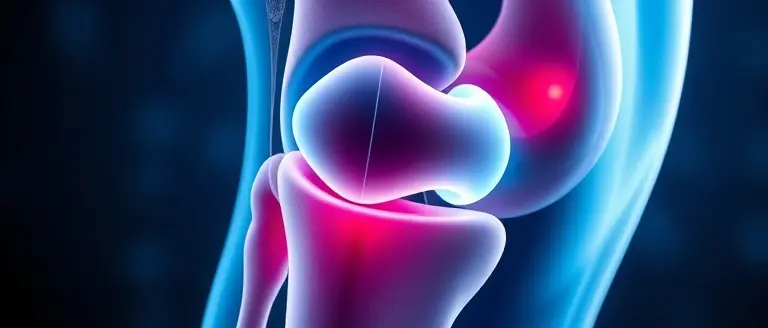
The primary medical concern surrounding Jermod McCoy during the mccoy nfl draft process was the utilization of an osteochondral autograft, commonly referred to as a “bone plug” procedure, to address a cartilage defect. In this surgical intervention, surgeons harvest a healthy cylinder of bone and cartilage—typically from a non-weight-bearing portion of the knee—and graft it into the damaged area. While this technique is designed to restore joint surface smoothness, the biomechanical implications for a cornerback are profound. NFL team physicians are notoriously cautious regarding these grafts because the donor site and the recipient site must achieve perfect integration to withstand the explosive lateral movements and rapid deceleration inherent in the position.
Biomechanical Risks and NFL Realities
When evaluating the long-term viability of Jermod McCoy following his recovery from both this procedure and his 2025 ACL tear, medical experts highlight several critical durability factors:
- Integration Strength: The graft must fully incorporate into the surrounding subchondral bone. If the “plug” fails to fuse with complete integrity, the patient faces a high risk of chronic inflammation or early-onset osteoarthritis.
- Load-Bearing Stress: A cornerback performs thousands of high-velocity “break” movements per season. These movements exert massive shearing forces on the articular cartilage, placing the repaired site under consistent, high-intensity mechanical stress.
- Secondary Injury Risk: Because the repair modifies the natural joint anatomy, there is a secondary risk of compensatory injuries, as the athlete may subconsciously shift weight distribution to avoid discomfort in the affected knee.
The Las Vegas Raiders are betting on modern sports medicine to mitigate these risks. Unlike a standard ligament repair, a bone plug procedure requires a long-term management strategy that focuses on eccentric strength training and strict load monitoring. While the jermod mccoy injury history contributed to his slide, the team’s willingness to draft him implies confidence in a structured rehabilitation program. For McCoy, the path to NFL longevity depends on whether the grafted cartilage can hold up against the unrelenting torque of professional play, making him one of the most high-stakes medical gambles in recent draft history.
High Risk, High Reward: Why the Raiders Took the Gamble
The selection of Jermod McCoy in the fourth round of the 2026 NFL Draft stands as one of the most polarizing strategic maneuvers in recent team history. While draft analysts initially projected McCoy as a potential top-10 prospect, his slide to the 101st overall pick was almost exclusively driven by lingering medical concerns surrounding a “bone plug” procedure used to repair a cartilage defect. For the Las Vegas Raiders, this pick represents a calculated value play rather than a desperate gamble. By securing a player of his elite physical pedigree outside the top 100, the front office has effectively mitigated the financial risk typically associated with high-end talent while gaining a potential defensive cornerstone.
Why Las Vegas Was the Ideal Landing Spot
The Raiders’ current roster configuration provided the perfect ecosystem to accommodate a project like McCoy. Unlike teams with immediate “win-now” needs that require rookies to start from day one, the Raiders possess enough secondary depth to facilitate a cautious, phased rehabilitation plan. This luxury allows their medical and training staff to prioritize long-term durability over immediate production, shielding McCoy from the rigors of an accelerated return-to-play timeline.
- Strategic Roster Depth: Existing veteran presence allows for a “redshirt” approach, ensuring the knee is 100% before he takes high-impact NFL snaps.
- The “Bone Plug” Factor: The team clearly performed extensive due diligence, likely concluding that while the Jermod McCoy injury history is significant, the specific mechanical integrity of the repair remains viable for an elite-level athlete.
- Correction of Draft Rumors: Despite widespread speculation regarding patriots draft picks and potential trade-up scenarios, the Raiders moved decisively when the value became too great to ignore, proving they were comfortable navigating the complex medical risk assessments that scared off other franchises.
Ultimately, the Raiders are betting that if McCoy stays healthy, they have secured a steal comparable to any first-round cornerback. If the knee fails to hold up, the capital spent—a fourth-round choice—is a standard price for a high-upside player who could revolutionize their secondary if he regains his pre-injury form.
The Road to Recovery: Can McCoy Reclaim His Top-10 Ceiling?

The selection of Jermod McCoy by the Las Vegas Raiders in the fourth round represents a calculated gamble on elite talent hampered by significant medical red flags. Because McCoy’s slide in the McCoy NFL draft cycle was primarily driven by the long-term prognosis of his knee—specifically the specialized ‘bone plug’ used to address a prior cartilage defect—the Raiders’ medical staff faces a high-stakes management challenge. Unlike a standard ligament repair, a bone plug procedure requires precise biological integration, making load management the cornerstone of his professional trajectory. To reach his projected top-10 potential, McCoy must navigate a conservative rehabilitation protocol that prioritizes structural integrity over immediate training camp impact.
Benchmarks for a Successful Return
For fans tracking the Jermod McCoy injury recovery, the preseason will serve as the first major diagnostic window. Observers should look for specific markers that indicate his lateral quickness and explosive closing speed remain intact:
- Change of Direction Drills: During training camp, watch for fluid transition movements. Any hesitation in lateral cuts could signal lingering apprehension or instability in the joint.
- Snap Count Modulation: The Raiders are unlikely to thrust McCoy into a full-time starter role immediately. Expect a phased approach where his participation is strictly capped to ensure the cartilage repair withstands NFL-level torque.
- Strength Deficit Testing: Medical staff will compare quad and hamstring strength between his injured and healthy legs; a symmetry gap of less than 10% is typically the threshold for clearance to full-contact drills.
While skeptics pointed to rumored interest from teams like the Patriots, those organizations likely lacked the medical clearance comfort level that the Raiders possess. If McCoy can successfully clear these rehabilitation milestones without setbacks, the Raiders may have secured a generational steal. However, his future hinges entirely on the biological success of his knee repair, making his rookie year more about durability than raw statistical production.
Optimizing Resilience Beyond the Gridiron
The acquisition of Jermod McCoy is a testament to the Raiders’ commitment to betting on elite talent, provided they can master the science of long-term rehabilitation. As McCoy fights to return to his elite form, the narrative of his career will be defined by his body’s ability to maintain systemic balance and peak physiological output despite past trauma. Achieving this level of recovery is an arduous task that requires more than just standard care; it requires a holistic approach to maintaining neuro-cognitive clarity and internal health during the most demanding phases of healing.
Just as the Raiders are investing in the sophisticated structural repair of McCoy’s knee to ensure his longevity, elite performance is ultimately about optimizing the body’s internal resilience. This is where Audifort serves as a critical ally. By supporting optimal blood flow and neuro-cognitive sharpness, it acts as a essential supplement for athletes and high-performers navigating the stress of major physical setbacks, ensuring they remain focused, alert, and ready to execute at the highest level when it matters most.
Integrating this level of systemic support into a recovery protocol is the natural next step for those who refuse to let physical trauma dictate their potential. Discover the difference that internal optimization can make in your own health journey as you push toward your peak performance goals, just as elite athletes do.
 Discover how professionals support their long-term health and peak cognitive performance during demanding recovery cycles.Transform My Life Today