

When the credits rolled on Baltasar Kormákur’s Apex, currently dominating as the #1 film on Netflix, the lingering tension in the room felt palpable. Set against the unforgiving backdrop of the Australian wilderness, this high-stakes survival thriller forces us to witness a harrowing cat-and-mouse game between Charlize Theron’s resourceful climber, Sasha, and Taron Egerton’s chillingly calculated antagonist. While critics have noted that the film leans into familiar survivalist tropes, it is the electric—and often terrifying—dynamic between the two leads that elevates the experience, turning a standard chase into a profound study of human instinct under extreme duress.
Beyond the grueling stunts and the breathtaking cinematography, Apex serves as a dark mirror to our own psychological vulnerabilities. We are captivated not just by the physical struggle for survival, but by the raw, manipulative power Egerton exudes as he dismantles Sasha’s defenses. This shift from Egerton’s traditional heroic roles into a psychopathic mastermind has left audiences reeling, sparking a global conversation about the hidden triggers that drive attraction, obsession, and the intense, primal instincts that dictate the most volatile connections in our own lives.
Apex: The High-Stakes Survival Thriller Taking Netflix by Storm

Since its global release on April 23, 2026, Apex has rapidly ascended to the #1 spot on Netflix, captivating audiences with its high-octane premise and star-studded cast. Directed by Baltasar Kormákur, known for his expertise in tension-filled survival dramas, the film traps viewers in the unforgiving Australian wilderness. The narrative centers on Sasha, a skilled mountain climber portrayed by Charlize Theron, whose survival instincts are pushed to the absolute limit. As she navigates the treacherous terrain, she finds herself the prey in a lethal, high-stakes game of cat-and-mouse orchestrated by a psychopathic killer, played with chilling intensity by Taron Egerton.
The film has generated significant discourse across streaming platforms and social media, largely due to the unconventional pairing of its lead actors. While Charlize Theron movies are frequently associated with high-stakes action, Taron Egerton’s performance marks a daring departure from his traditional hero archetypes, offering a visceral and dark antagonist that has kept fans talking. The production’s success is underscored by:
- Global Dominance: Reaching the top position on Netflix’s global charts within 24 to 48 hours of its debut.
- Director’s Vision: Kormákur’s signature style blends stunning landscape cinematography with claustrophobic, high-intensity sequences.
- The Chemistry of Adversity: Interviews with the stars have highlighted the “grueling” nature of the shoot, with both leads noting they bonded through their shared physical exhaustion, adding a layer of authentic intensity to their on-screen confrontation.
Although critical reception remains varied—with some reviewers labeling the plot a classic entry in the survivalist genre—the consensus remains that the film is a masterclass in tension. Apex succeeds as a popcorn-friendly thriller, utilizing its remote, hostile setting to amplify the psychological conflict between its two leads. Whether you are a fan of Taron Egerton’s recent transition into villainy or simply looking for the next must-watch title on Netflix, this film delivers a relentless experience that effectively revitalizes standard survivalist tropes for a modern streaming audience.
Taron Egerton’s Dark Turn: Analyzing the Villainous Performance
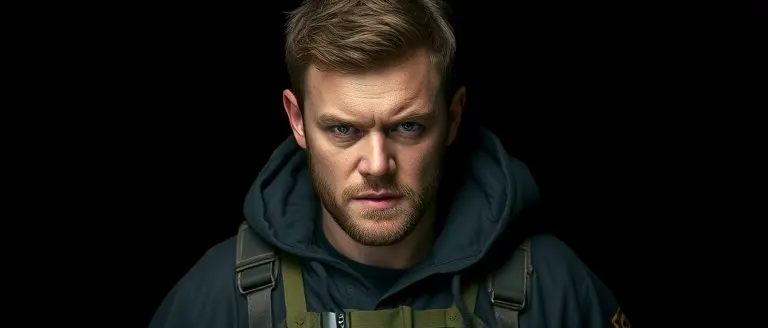
In Apex, Netflix’s breakout survival thriller, Taron Egerton abandons his established archetype of the charismatic hero to deliver a chilling, calculated performance as a psychopathic predator. While his previous roles often leaned into charm and underdog resilience, his portrayal of the unnamed antagonist in this film marks a definitive shift in his career. Egerton succeeds in injecting a palpable sense of unease into the narrative, moving beyond standard movie villain tropes through subtle physical acting and a menacing, understated screen presence. By avoiding the common pitfalls of theatrical “over-acting,” he forces the audience to engage with a threat that feels grounded, cold, and dangerously unpredictable.
The efficacy of the film’s cat-and-mouse tension relies almost entirely on the psychological duality between Egerton and Charlize Theron. Even as critics highlight certain predictable elements in the script, Egerton’s ability to mirror Theron’s intensity elevates the stakes. His performance is characterized by:
- Controlled Malevolence: Egerton uses stillness rather than erratic outbursts, making his character appear more calculated and threatening to the protagonist, Sasha.
- Non-Verbal Storytelling: Much of his character’s motivation is conveyed through cold stares and methodical movements, forcing the viewer to infer the depths of his psychological instability.
- Physical Commitment: In line with the reported “grueling” production, Egerton’s physical performance emphasizes the harsh reality of the Australian wilderness, grounding the antagonist’s pursuit in a visceral, exhausting struggle.
Ultimately, Egerton’s turn in this Apex movie serves as a masterclass in tension-building. He successfully transforms a potentially generic villain role into the film’s primary anchor. By opting for a performance rooted in clinical obsession rather than mere chaos, he ensures that the audience remains perpetually unsettled. This portrayal not only diversifies his acting portfolio but provides the necessary friction to balance Theron’s performance, proving that even within familiar survivalist structures, a stellar antagonist can define the success of a major streaming release.
Survival at the Edge: Analyzing Stunts and Behind-the-Scenes Agony

The visceral intensity of the apex movie is not merely a product of clever cinematography; it is the result of a grueling, high-stakes production environment that pushed its lead actors to their physical limits. Directed by Baltasar Kormákur, the production opted for an authentic approach to the Australian wilderness, rejecting heavy reliance on digital backdrops in favor of practical locations. This commitment to realism created a unique “mutual agony” for Charlize Theron and Taron Egerton, who spent weeks navigating volatile terrain, extreme weather, and complex stunt choreography. The on-screen tension between Theron’s character, Sasha, and Egerton’s psychopathic antagonist is palpable, largely because the physical exhaustion seen in their performances was, according to recent interviews, entirely genuine.
Technical Demands and Practical Stunts
The technical execution of the film’s survival sequences required a level of precision rarely seen in modern movies on streaming platforms. Key aspects of the production included:
- Location Realism: By filming on-site in Australia, the production captured authentic environmental hazards that forced the actors to perform while battling real-world elements.
- Stunt Choreography: Unlike many CGI-heavy action films, the hand-to-hand combat sequences involving Egerton and Theron were tightly choreographed to ensure maximum impact without relying on post-production visual trickery.
- The “Bond of Agony”: Both stars have spoken candidly in promotional interviews about the mental and physical toll of the shoot. This shared hardship helped bridge the gap between their characters’ adversarial relationship, grounding the film’s narrative in a visceral, tactile reality that resonates with audiences accustomed to more polished, “soulless” thrillers.
This commitment to physical filmmaking is a significant factor in why the apex netflix release has dominated global charts so rapidly. Modern viewers are increasingly savvy, often spotting the lack of stakes in heavily digitized action sequences. By contrast, the raw, gritty nature of this project offers a refreshing return to physical stakes, solidifying its place as a standout entry in the Charlize Theron movies canon and marking a bold departure for Egerton’s career trajectory.
Apex Ending Explained: Did You Catch These Hidden Details?

The climax of the apex movie has sparked intense debate among viewers, primarily due to the ambiguous nature of Sasha’s final survival tactics against her relentless pursuer. As the film concludes in the rugged Australian wilderness, the final confrontation between Charlize Theron and Taron Egerton serves as a masterclass in psychological warfare. While many critics have pointed to the survival tropes being somewhat predictable, the final act pivots toward a visceral display of grit that defines Theron’s performance. The “hidden” detail many viewers missed involves the strategic use of Sasha’s climbing gear throughout the second act, which she repurposes not just for movement, but as a signature weapon during the film’s closing sequence.
Breaking Down the Final Showdown
The ultimate resolution of this Netflix hit hinges on the total subversion of the hunter-prey dynamic. By the time the screen fades to black, it becomes evident that Sasha did not simply survive the game; she actively engineered the terrain to become the predator. Key elements to consider include:
- The Symbolic Mirroring: Note how the roles of hunter and prey shift physically; Egerton’s character, initially composed and calculating, ends the film in a state of primal desperation, mirroring the very people he hunted.
- The Psychological Toll: Interviews with the cast have confirmed that the “mutual agony” experienced on set translates to the screen, particularly in the lack of dialogue during the final ten minutes.
- The Unresolved Mystery: Fans have been speculating about the identity of the “client” orchestrating the hunt. Subtle visual clues—specifically a recurring insignia on the gear provided to Egerton—suggest a larger, unseen organization, fueling rumors of a potential franchise expansion.
For those who felt the movie relied on classic survivalist tropes, the ending offers a grim, grounded perspective on the human instinct to endure. Whether you view the conclusion as a triumphant victory for Sasha or a dark commentary on the nature of violence, the film solidifies its place as one of the most discussed movies of the year. The transition of Egerton into a cold-blooded villain is finalized in the closing frames, confirming that this survival thriller is less about the chase and more about the destruction of morality under extreme pressure.
Unlocking the Primal Instincts Behind the Obsession
The intensity captured in Apex—that strange, magnetic pull between hunter and prey—is more than just a cinematic device; it mirrors the complex psychological undercurrents that drive our most profound real-world relationships. While Egerton’s character weaponizes these instincts for malice, the same biological triggers that create his terrifying obsession are also the keys to building deep, meaningful devotion in your own life. Understanding these forces allows you to move beyond the surface of attraction and tap into what truly motivates human connection.
If you have been captivated by the psychological power dynamics on display in Apex, you are likely ready to uncover the science behind those irresistible emotional hooks. His Secret Obsession provides the definitive roadmap to understanding the ‘Hero Instinct,’ a powerful, hidden biological drive that dictates how men perceive value, commitment, and love. This isn’t just about watching a thriller; it is about taking control of the subtle, primal signals that make a man feel absolutely essential and deeply devoted to you, transforming your relationships from fleeting interest into an unbreakable bond.
The power of the psyche is the ultimate survival tool, both on the screen and in the heart. Don’t just analyze the obsession—master the psychology behind it and turn the tide in your favor today.
 Discover how to trigger the hidden instincts that make a man feel essential and deeply devoted to you.Transform My Life Today