
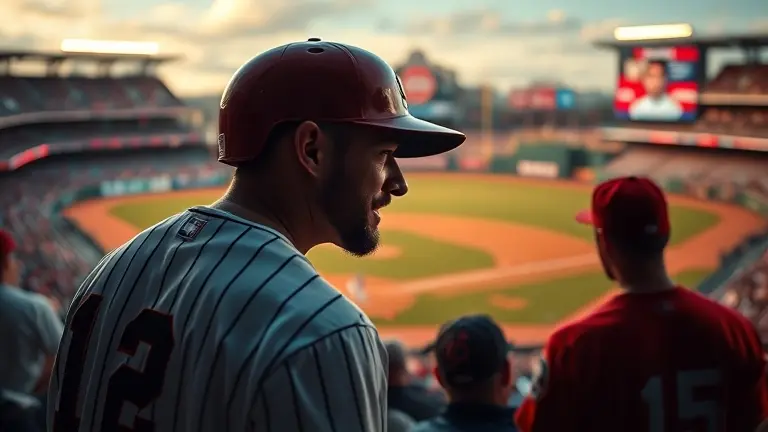
When the Detroit Tigers arrived at the Great American Ballpark for their April 2026 series, the air was thick with more than just the scent of mid-spring baseball. While the casual observer fixated on the betting lines, the true narrative lay in the structural masterpiece the Cincinnati Reds have built over their best 25-game start in two decades. The sudden, last-minute scratch of slugger Eugenio Suárez due to a back injury wasn’t just a hurdle; it was a stress test for a roster defined by its depth and tactical flexibility.
To truly understand this matchup, one must look past the stat sheets and into the mechanics of the game. The Tigers’ road struggles offer a stark contrast to the methodical, high-precision execution displayed by the Reds’ front office and managerial staff. This isn’t just about who hits the ball harder; it is about the architecture of a lineup and the structural integrity of a team that thrives when the pressure is highest.
Tigers vs. Reds: Analyzing the April 24, 2026 Matchup at Great American Ballpark
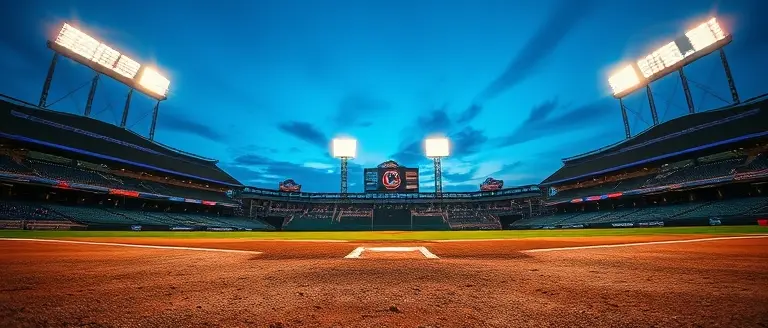
The Tigers vs. Reds matchup on April 24, 2026, at Great American Ballpark served as a definitive litmus test for two franchises moving in vastly different directions. While the Detroit Tigers entered the series looking to stabilize their road performance, the Cincinnati Reds arrived with the momentum of their most impressive 25-game start in over two decades. This interleague clash highlighted the strategic disparity between a team finding its rhythm early and a visiting squad struggling to overcome consistent inconsistencies on the road. The atmosphere in Cincinnati was electric, fueled by a fanbase rejuvenated by the team’s early-season dominance and high-stakes expectations.
The tactical complexion of the game shifted significantly just before first pitch due to the sudden scratch of Reds designated hitter Eugenio Suárez. His removal from the starting lineup due to a persistent back issue forced an immediate reevaluation of the home team’s offensive approach.
Strategic Impact of Roster Adjustments
The absence of a middle-of-the-order threat like Suárez creates a ripple effect that extends beyond a single game. Key observations regarding the roster pivot include:
- Lineup Compression: The loss of Suárez forced the manager to shuffle the batting order, which momentarily disrupted the protection typically afforded to other power hitters.
- Defensive Depth Implications: While the scratch primarily affected the DH spot, it put increased pressure on the utility players to maintain offensive production levels during the remainder of the three-game series.
- Momentum Shifts: Early-season form is often fragile; the ability of the Reds’ bench to compensate for sudden injuries remains a critical indicator of their capacity to sustain this historical winning pace.
As the series progressed, the focus remained on whether the Reds could maintain their offensive identity without their key slugger or if the Tigers could capitalize on the defensive uncertainty. This matchup underscored that in modern MLB competition, roster depth is just as vital as starting pitching consistency.
The Eugenio Suárez Scratch: Ripple Effects on the Reds’ Lineup and Betting Landscape
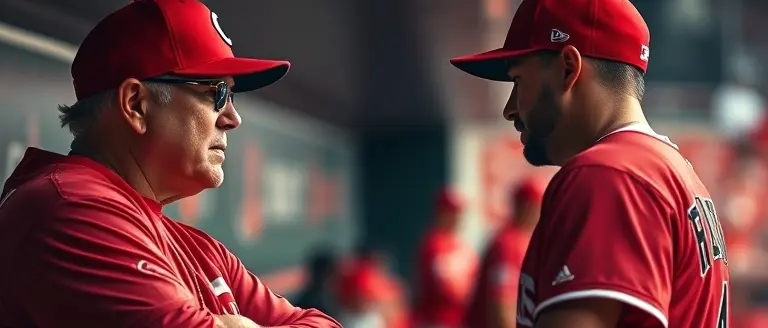
The sudden removal of designated hitter Eugenio Suárez from the starting lineup due to a lingering back issue sent shockwaves through the Tigers vs Reds matchup on April 24, 2026. For a Cincinnati team riding the momentum of their best 25-game start in two decades, losing a core offensive producer minutes before first pitch tests the structural integrity of the roster. Beyond the immediate frustration for fans, this development forces a complex tactical recalibration. When a middle-of-the-order threat is scratched, the manager must shift defensive alignments and batting order protections, often forcing younger or less-experienced players into higher-leverage situations.
Tactical Implications of Last-Minute Adjustments
The ripple effects of such an injury extend far beyond a single game. The reliance on utility players to fill a sudden void in the lineup can disrupt the team’s offensive rhythm and overall chemistry. As the Reds look to maintain their historic pace, their ability to weather these setbacks relies heavily on depth.
- Batting Order Balance: Removing Suárez forces the manager to compress the lineup, potentially placing more pressure on stars like Riley Greene or supporting players like Dillon Dingler to provide power.
- Defensive Flexibility: Mid-day changes often cause a cascading effect, where moving personnel to cover the DH spot impacts outfield or infield defensive versatility for the remainder of the series.
- Betting Market Volatility: Prop betting markets reacted instantly to the news, as sportsbooks adjusted player-specific outcomes and total run lines. Sharp bettors monitor these injury reports closely, as a shift from a power-hitter like Suárez to a contact-oriented replacement alters the mathematical probability of high-scoring innings.
This scenario highlights the precarious nature of early-season success. While the Reds have displayed remarkable resilience, the Tigers vs Reds series serves as a case study in how sudden roster changes influence both managerial strategy and the intricate world of sports betting. Analysts suggest that teams with high-level bench depth are significantly more likely to sustain winning streaks when faced with these inevitable mid-game injury hurdles.
Reds Roster Depth: The Tactical Secret Behind Their Early-Season Success

The Cincinnati Reds have surged to their most impressive 25-game start in two decades, a feat primarily attributed to a sophisticated approach to roster construction and platoon management. Rather than relying on a static lineup, the coaching staff has cultivated a flexible environment where bench players are treated as essential tactical assets. This strategy has proven vital during the Tigers vs Reds series, particularly after the sudden scratch of designated hitter Eugenio Suárez due to back issues. While a last-minute lineup change often disrupts the rhythm of a standard ballclub, the Reds’ depth allows for seamless transitions that keep offensive pressure high regardless of who is sidelined.
Strategic Versatility and Injury Resilience
The team’s ability to maintain a winning trajectory despite unforeseen injury developments—such as the Suárez situation—stems from a front-office philosophy that prioritizes versatility. Managers have leveraged a high-upside bench to exploit favorable pitching matchups, ensuring that even when a cornerstone player is unavailable, the team retains a competitive advantage. Key tactical elements driving this success include:
- Aggressive Platoon Usage: Utilizing data-driven lineup adjustments to maximize platoon splits against opposing starting pitchers like those featured in the Detroit rotation.
- Defensive Flexibility: Prioritizing utility players who can perform at a major-league level across multiple positions, allowing the manager to rest starters without a significant drop in defensive output.
- High-Volume Engagement: Ensuring bench players receive consistent playing time early in the season, which fosters confidence and maintains sharpness for high-leverage moments.
By minimizing the “drop-off” between starters and reserves, the Reds have effectively insulated themselves from the volatility of an 162-game season. This deep-roster approach explains why the team remains a potent threat in the standings; they are not just relying on individual star power, but on a cohesive, interchangeable system that creates a relentless offensive front for any opponent, including a struggling Tigers team.
The Cincinnati Pulse: Fan Sentiment During an Historic Early Season
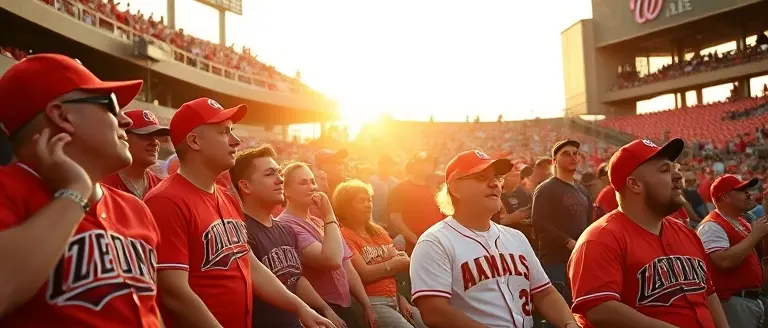
The atmosphere surrounding the Great American Ball Park has undergone a palpable transformation during this early 2026 campaign. As the Cincinnati Reds achieve their best 25-game start in over two decades, the city is experiencing a rare convergence of genuine optimism and historical nostalgia. Unlike previous seasons defined by cautious rebuilding, the current fan sentiment is characterized by an unwavering belief in the roster’s depth and resilience. When the Tigers vs Reds series arrived in Cincinnati, it served as a litmus test for a fanbase that has long waited for a sustained winning trajectory. Local supporters are no longer just showing up for the atmosphere; they are arriving with the expectation of victory, creating a home-field advantage that has made the stadium an intimidating venue for visiting clubs.
A Cultural Shift in the Queen City
The excitement surrounding this specific matchup reflects a deeper cultural shift. The sudden, high-stakes nature of the series—compounded by the last-minute lineup scratch of designated hitter Eugenio Suárez—did little to dampen the collective spirit of the home crowd. Instead, fans viewed the managerial adjustment as a testament to the team’s organizational “next man up” philosophy. Several key factors are fueling this renewed civic pride:
- Consistent Performance: The Reds’ ability to secure wins in tight contests has turned skepticism into a season-long investment from the local community.
- Youth Movement Integration: Fans are particularly vocal about the development of rising stars, whose contributions have mitigated the impact of sudden injuries.
- Community Synergy: The synergy between the team’s aggressive playing style and the expectations of a working-class city has galvanized support, making each game feel like a vital chapter in an unfolding narrative rather than just another routine entry on the MLB calendar.
By moving beyond simple statistics, it is clear that the Reds have successfully captured the city’s imagination. Whether it is through pre-game traditions or the deafening roar after a late-inning rally, the current environment indicates that this team has effectively bridged the gap between professional sports and local identity. For Cincinnati, this is more than a standard interleague matchup; it is a declaration that the team is ready to compete for dominance deep into the postseason.
Build Your Own Foundation for Excellence
The success of the Reds this season isn’t the product of luck or shortcuts; it is the result of meticulous planning and a refusal to compromise on technical fundamentals. Just as understanding the intricate lineup architecture is essential for identifying the Reds’ winning edge, having the right technical foundation is the difference between a messy project and a professional result in your own workshop. You don’t build a legacy on quick fixes or unstable structures.
This is where the principles of precision intersect with your personal craftsmanship. Just as a manager relies on a master blueprint to guide a team through a grueling series, you need the right framework to eliminate the trial-and-error that plagues typical DIY efforts. Our featured resource offers a foolproof system, transforming complex woodworking challenges into a streamlined experience through absolute technical certainty. It is the ultimate tool of precision for the analytical mind that values a job done perfectly the first time.
Stop relying on unreliable shortcuts and start mastering your environment with the same calculated intensity that currently has Cincinnati atop the standings. You have the vision; now, get the structural integrity to bring it to life.
 Master the structure of your next project with the same precision the Reds are using to dominate the diamond—get your hands on the professional blueprint system today.Yes, I Want My Professional Blueprints Now!