
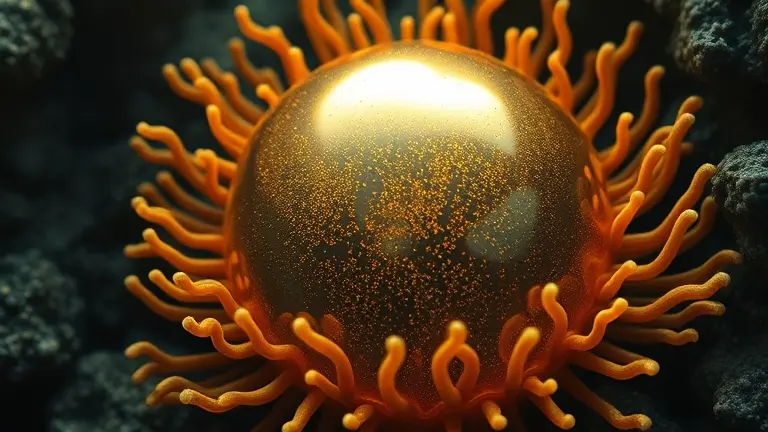
For nearly two years, a shimmering, golden orb discovered two miles beneath the surface of the Gulf of Alaska held the world in a state of captivated confusion. When a NOAA remotely operated vehicle first captured footage of the object in 2023, it defied immediate biological classification, igniting an internet-wide firestorm of speculation that spanned from mysterious alien eggs to unknown, apex deep-sea predators. The image of the ‘golden orb’ became a digital legend—a rare moment where the public’s imagination was allowed to run wild against the backdrop of the untamed, silent abyss.
However, as of April 2026, the mystery has been firmly grounded in science. NOAA Ocean Exploration has officially identified the object as the base of a giant deep-sea anemone, a biological remnant that is no less spectacular for being terrestrial in origin. This revelation marks a significant pivot: we are moving past the ‘clickbait’ phase of discovery and entering an era of deep-sea appreciation. By demystifying this enigma, we gain a clearer view of the vast, unexplored biodiversity that dictates the life-support systems of our planet, proving that the reality of our oceans is far more profound—and more important—than any work of science fiction.
,slug:
The Golden Orb Discovered: From Internet Phenomenon to Scientific Reality
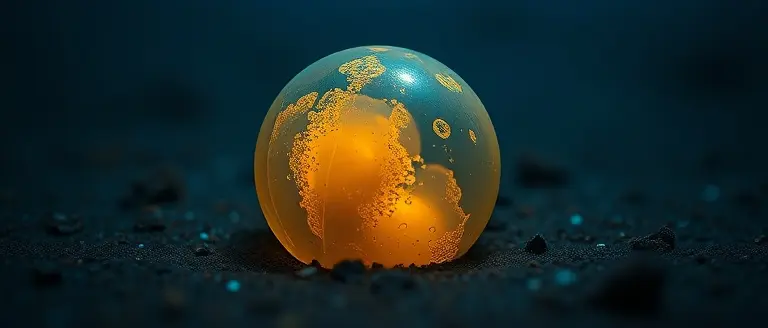
In August 2023, the scientific community and the general public were captivated by a mysterious, shiny, gold-colored object observed by a NOAA remotely operated vehicle (ROV) at a staggering depth of 3,250 meters in the Gulf of Alaska. The golden orb Alaska discovery immediately triggered an intense surge of global speculation. Because the object defied immediate classification, observers proposed wild theories ranging from unidentified deep-sea species to alien eggs. For nearly two years, this enigmatic specimen served as a blank slate for internet theorists, highlighting the profound isolation and the unknown nature of the deep-sea environment.
From Speculation to Scientific Certainty
As of April 2026, the NOAA golden orb identification has finally brought the mystery to a close, grounding the sensation in biological reality. Rigorous analysis by researchers confirmed that the golden orb found by the Okeanos Explorer was not an extraterrestrial artifact, but rather a remnant of decaying biological material. Specifically, scientists determined that the orb represents the shed base or cellular debris from a giant deep-sea anemone, potentially linked to the mysterious Relicanthus daphneae family.
The resolution of this case study provides key insights into how life—and death—manifests in the midnight zone:
- Biological Remnants: The orb is composed of organic cellular debris, illustrating how biological matter persists and transforms in high-pressure, low-temperature environments.
- Deep-Sea Decay: The discovery underscores that what appears “alien” is often simply a natural biological process that we rarely observe due to the technological limitations of deep-sea exploration.
- Technological Triumph: The use of ROVs remains the primary bridge between human curiosity and the reality of oceanic ecosystems, proving that the Alaska golden orb was an opportunity to showcase sophisticated subsea imaging and sample analysis.
By shifting the narrative from speculative fiction to genuine marine science, researchers have turned a viral internet moment into a teaching tool about the complex, often bizarre, survival strategies of deep-sea organisms. This discovery confirms that while the deep ocean remains a frontier, its secrets are firmly rooted in the fascinating diversity of Earth’s own life forms.
Understanding Relicanthus daphneae and Deep-Sea Anemone Biology
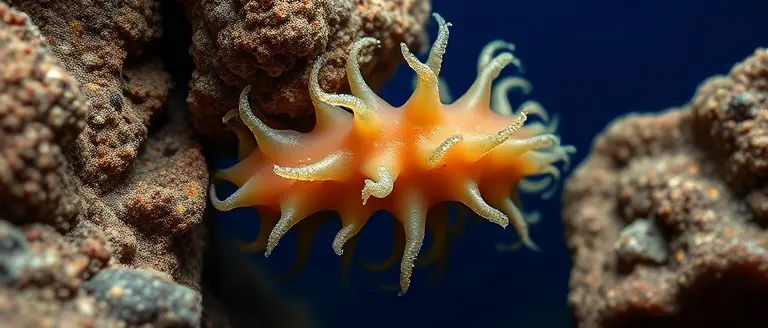
The resolution of the golden orb Alaska mystery highlights the extraordinary biological complexity of deep-sea life. While initial speculation regarding the object—discovered by a NOAA ROV at a depth of 3,250 meters—leaned toward the extraterrestrial, the truth lies in the fascinating, often misunderstood biology of organisms like Relicanthus daphneae. These deep-sea anemones and their relatives are masters of survival in high-pressure, low-temperature environments, possessing specialized physiological structures that can leave behind enigmatic remnants when they degrade or reproduce.
Biological Remnants and Life Cycles
Deep-sea anemones exhibit unique strategies to anchor themselves to the seafloor and navigate the scarcity of nutrients in the midnight zone. When researchers conduct NOAA golden orb identification processes, they are essentially investigating the debris of these complex life cycles.
- Cellular Persistence: In the extreme cold of the deep ocean, biological decomposition slows significantly, allowing cellular masses and connective tissues to persist for extended periods.
- Anchoring Mechanisms: These creatures often develop sturdy, leathery bases to withstand currents, which can detach or slough off as the organism grows or reacts to external stimuli.
- Anatomical Evolution: Many deep-sea cnidarians possess morphologies that appear “alien” simply because they have evolved in total isolation from the surface, far removed from the evolutionary pressures that shape shallow-water species.
The golden orb found in the Gulf of Alaska serves as a primary case study for why these creatures frequently challenge conventional classification. Because they do not conform to the shapes of common marine life, even seasoned marine biologists must rely on advanced genomic sequencing and ROV-collected samples to confirm their origin. By analyzing these biological byproducts, scientists gain critical insights into the biomass distribution of the deep-sea ecosystem, proving that the deep ocean floor is not a barren landscape, but a highly active biological frontier that is only just beginning to be understood through modern exploration.
The Challenges of Identifying Life in the Midnight Zone
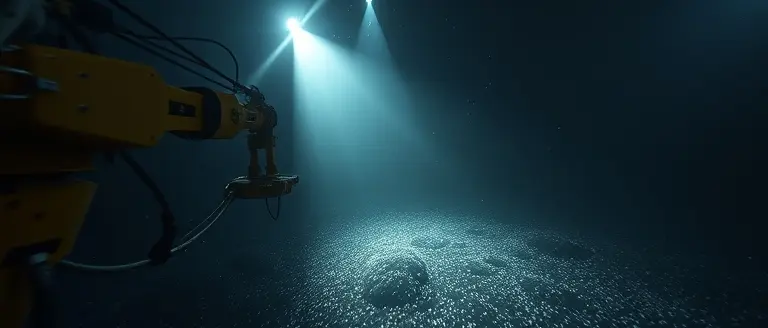
Exploring the deep sea, particularly at depths exceeding 3,250 meters, presents logistical and biological hurdles that push the limits of modern marine science. When the golden orb found in the Gulf of Alaska first appeared on camera feeds via the NOAA remotely operated vehicle (ROV), it sparked international intrigue precisely because the deep-ocean environment is so poorly documented. The “Midnight Zone”—or bathypelagic zone—is characterized by extreme hydrostatic pressure, near-freezing temperatures, and total darkness, conditions that can alter the appearance and morphology of biological structures in ways that baffle even seasoned researchers.
The Limits of Current Taxonomy
The difficulty in NOAA golden orb identification highlights a broader truth in oceanography: our current scientific catalog of deep-sea life remains in its infancy. Many specimens found at these extreme depths do not fit neatly into existing taxonomic classifications. Scientists often struggle with identification because:
- In-situ degradation: Biological remnants, such as the dead cells later identified as the source of the golden orb, often lose their distinct structure when separated from a host organism.
- Limited visual resolution: ROVs rely on specialized lighting and cameras, but the backscatter and lack of ambient light can distort the perceived texture and color of unknown objects.
- Extremely low biomass density: Because life is sparse in these abyssal plains, finding comparative samples to verify an unknown organism is statistically rare.
Rather than suggesting the orb was an “alien” entity, the confusion served as a stark reminder of how little we understand about deep-sea biology. Every new discovery, including this Alaska golden orb, acts as a diagnostic tool that expands our understanding of seafloor ecosystems. As technology advances, these “mysteries” are increasingly being resolved as rare manifestations of known biological processes, proving that the most fascinating secrets of the deep are not extraterrestrial, but entirely terrestrial and still awaiting cataloging.
Why Continued Ocean Exploration is Vital for Planet Earth

The intrigue surrounding the golden orb Alaska discovery serves as a profound reminder that our planet’s largest habitat remains largely a mystery. While the internet was initially captivated by theories of alien life, the official NOAA golden orb identification as a biological remnant of a deep-sea anemone highlights the sheer complexity of life in the abyss. This shift from speculation to scientific clarity underscores why consistent, well-funded deep-sea exploration is not just a quest for curiosities, but a fundamental necessity for understanding Earth’s biological and chemical infrastructure. Every golden orb found in the deep ocean is a puzzle piece that helps researchers map the vast, interconnected systems that support life above the waves.
Advancements in remote technology, specifically the use of advanced ROVs, allow scientists to document deep-sea biodiversity with unprecedented precision. By analyzing these seemingly enigmatic fragments, researchers can better track:
- Climate Change Impacts: Monitoring how deep-sea organisms react to fluctuating water temperatures and ocean acidification.
- The Global Carbon Cycle: Understanding how deep-sea ecosystems sequester carbon, which is vital for global climate regulation.
- Evolutionary Biology: Identifying rare species and cellular structures that have adapted to survive in high-pressure, low-light environments.
- Biodiversity Baseline Data: Establishing a historical record of life in the Alaska golden orb habitat to protect against potential future disturbances like deep-sea mining.
Ultimately, the fascination with the alaska golden orb should be redirected toward a greater appreciation for the unknown ecosystems that cover most of our globe. By moving past the “alien” narrative, we empower a more rigorous scientific dialogue. Continued ocean exploration allows us to replace folklore with facts, proving that the reality of our planet’s deep-sea life is far more remarkable—and ecologically significant—than any science fiction concept. Investing in these missions ensures that we remain stewards of the Earth, capable of protecting the fragile, unseen webs of life that sustain our climate and our future.
Beyond the Mystery: Cultivating a Sharper Mind for Discovery
The resolution of the golden orb mystery in the Gulf of Alaska serves as a profound reminder that reality is often more fascinating than the sensational theories we construct to explain it. While the internet buzzed with speculation of alien visitors, the truth revealed a complex, biological masterpiece of deep-sea evolution. This journey from mystery to scientific breakthrough highlights the vital importance of continued ocean exploration—not just to catalog life, but to better understand the delicate, alien-like ecosystems thriving in our own planetary backyard.
Just as the remotely operated vehicles (ROVs) we deploy into the abyss allow us to pierce through the murk to uncover biological truths, we require a sharp, focused, and resilient mind to process this dense scientific information. In an age of endless digital distraction and misinformation, the ability to synthesize complex data into actual knowledge is the ultimate advantage. This is where intellectual curiosity meets cognitive optimization.
The Brain Song is designed to support your pursuit of truth, acting as a cognitive tool to enhance focus and learning capacity. By optimizing your clarity, you ensure that your mind remains as precise and capable as the advanced technology used to map the deepest trenches of our oceans. When you are better equipped to filter through the noise, you can appreciate the true wonder of the scientific world.
 Sharpen your focus and deepen your understanding of the world around you—try The Brain Song today to optimize your cognitive clarity.Transform My Cognitive Clarity Today!