

The selection of Ty Simpson as the 13th overall pick in the 2026 NFL Draft has sent shockwaves through the Los Angeles Rams fanbase, instantly overshadowing the return of a reigning MVP in Matthew Stafford. While viral clips of a noticeably restrained Sean McVay during the post-draft press conference have fueled rampant speculation about internal friction, the reality is far more calculated. This isn’t necessarily a narrative of discord; it is the cold, strategic reality of modern NFL management, where the imperative to win today is constantly balanced against the existential necessity of planning for life after a franchise quarterback.
To truly grasp what this move means for the LA Rams, we must look past the social media echo chamber and dive into the tactical implications of Simpson’s integration into the offense. How does his playstyle align with the schemes perfected by McVay, and how does this pick fit into the broader puzzle of long-term cap efficiency? This is not just a story about a draft pick; it is a case study in succession planning in a high-stakes, win-now environment. Join us as we strip away the rumors to provide an analytical breakdown of how the Rams are navigating one of the most complex transition periods in recent league history.
The Rams’ Draft Day Shock: Decoding the Selection of Ty Simpson
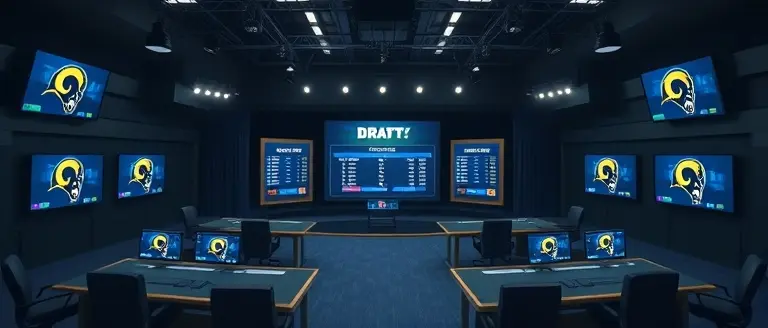
The Los Angeles Rams‘ decision to select Alabama quarterback Ty Simpson with the 13th overall pick in the 2026 NFL Draft represents one of the most significant strategic pivots in recent franchise history. While viral discourse has focused heavily on the exterior reactions of Sean McVay, a more clinical analysis reveals a front office prioritizing long-term sustainability over an immediate roster upgrade. By investing premium draft capital in an “heir apparent” for Matthew Stafford, the organization is signaling an objective shift toward succession planning, ensuring the team remains competitive even as the window for their current MVP-caliber signal-caller begins to narrow.
Strategic Succession in a Win-Now Environment
Integrating a rookie quarterback into a system currently optimized for a veteran legend like matt stafford presents unique challenges. The Rams are essentially hedging against the natural regression associated with elite-level quarterback longevity. This move reflects a “draft-and-develop” philosophy rarely seen from a team that has historically prioritized veteran talent to chase Super Bowl titles. Key considerations regarding this transition include:
- Cap Management: By grooming a high-upside prospect on a rookie contract, the LA Rams create financial flexibility that could be vital for sustaining competitiveness once the team moves past the massive salary obligations associated with their current offensive stars.
- Skillset Alignment: Ty Simpson offers a distinct athletic profile that differs from Stafford’s traditional pocket-passing brilliance. Integrating his mobility could force a tactical evolution of the offense under Sean McVay‘s scheme.
- Risk Mitigation: Drafting a top-tier prospect serves as insurance against injury or unexpected retirement, ensuring the franchise does not face a multi-year rebuild if the current championship window closes abruptly.
While fans may question the logic of selecting a quarterback rather than addressing immediate defensive or offensive line needs, the front office appears to be playing a long-term game. The ty simpson draft selection confirms that the Rams are no longer content with reactive roster construction, choosing instead to proactively secure the most important position in football before the market or internal necessity dictates an emergency pivot.
The ‘Draft-and-Develop’ Paradox in Championship Windows

The LA Rams’ decision to select Ty Simpson with the 13th overall pick presents a classic NFL conundrum: balancing a legitimate championship window with the cold, calculated necessity of long-term succession planning. While Matthew Stafford remains an elite, MVP-caliber signal caller, the front office has clearly pivoted toward a “draft-and-develop” philosophy that prioritizes organizational sustainability over pure immediate gratification. This strategic move suggests that even when a team is built to win now, the volatility of the quarterback position necessitates a proactive contingency plan rather than a reactive search when talent finally declines.
Historically, this “heir-to-the-throne” model has yielded mixed results, creating inherent friction between coaching staffs and front offices. Much like the Green Bay Packers’ controversial selection of Jordan Love while Aaron Rodgers was still performing at an elite level, the arrival of Simpson forces a shift in team culture. For Sean McVay, the tactical challenge is two-fold: maximizing the remaining high-level years of matt stafford while integrating a prospect whose development requires significant reps. While fans may perceive this as a lack of commitment to the current roster, front-office executives view it as a hedge against the inevitable physical regression or potential injuries associated with veteran starters.
To understand the long-term implications of this selection, consider these primary tactical benefits of the “QB-in-waiting” strategy:
- Risk Mitigation: Having a high-ceiling prospect like Simpson under a rookie contract provides an immediate safety net should the starter’s productivity take an unforeseen dip.
- Knowledge Transfer: The ability to learn behind a seasoned veteran allows a rookie to absorb complex offensive schemes and professional preparation habits without the immediate pressure of starting.
- Cap Management Flexibility: Drafting a successor before the veteran’s window fully closes allows the organization to transition smoothly without facing the catastrophic salary cap ramifications of a sudden, unplanned quarterback vacancy.
Ultimately, the friction observed during the ty simpson draft announcement reflects the difficulty of reconciling short-term championship aspirations with the brutal reality of NFL shelf-life. Whether this pick serves as a masterstroke of foresight or an unnecessary distraction will be determined by how seamlessly the coaching staff manages this dual-track evolution.
Ty Simpson: Evaluating the Skill Set of the New Heir
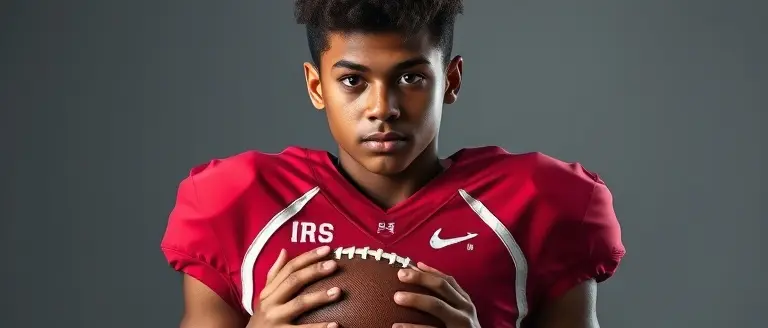
The selection of Ty Simpson with the 13th overall pick represents a calculated gamble by the LA Rams front office, prioritizing long-term stability over immediate roster reinforcement. While the move sparked intense debate regarding Matthew Stafford and his future with the franchise, scouting reports from Simpson’s tenure at Alabama reveal a player possessing the high-level processing speed and vertical arm talent that aligns with Sean McVay’s complex offensive system. Unlike prospects who rely solely on raw physical tools, Simpson demonstrated a refined ability to manipulate safeties and execute full-field progressions, traits that are non-negotiable for any quarterback hoping to succeed in a McVay-led scheme.
Scouting Profile and Tactical Fit
Simpson’s collegiate tape highlights several distinct attributes that likely influenced the decision to draft him high:
- Elite Pocket Presence: He excels at climbing the pocket and resetting his feet under pressure, a trait matt stafford utilized to perfection during his championship runs.
- Velocity and Accuracy: Simpson displays the arm strength necessary to fit balls into tight windows in the middle of the field, a requirement for the Rams’ signature deep-crossing and seam routes.
- Scheme Versatility: His experience in a pro-style offense at Alabama provided him with the foundation to understand complex protection schemes, drastically reducing the projected learning curve.
From a strategic standpoint, the Rams view Simpson as an investment in insurance and future competitiveness. While current roster dynamics focus on maximizing Stafford’s remaining window, the front office clearly identified a “franchise-caliber” ceiling in Simpson that they could not afford to pass up. By securing an heir apparent, the organization is hedging against the inevitable attrition of an elite, aging quarterback. The front office’s confidence in Simpson suggests they see him not just as a backup, but as a long-term successor who possesses the football IQ to transition from the ty simpson draft class into a cornerstone starter, effectively mitigating the risks associated with the eventual post-Stafford era.
Mapping the Timeline: The Future of Matthew Stafford in LA

The selection of Ty Simpson in the 2026 NFL Draft marks a pivotal shift in the LA Rams front office philosophy, signaling a transition from an all-in “win-now” mandate to a sustainable “draft-and-develop” strategy. While Matthew Stafford remains the unquestioned starter and a reigning MVP, the organization is clearly hedging against the inevitable decline of a veteran signal-caller. By securing a high-ceiling prospect like Simpson, the Rams are likely operating under a two-to-three-year succession window. This timeline allows Stafford to maintain his role as the focal point of Sean McVay’s offense while providing the rookie quarterback the necessary apprenticeship period to master the complex, timing-based concepts inherent in the Rams’ system.
Strategic Implications for the Rams
The integration of Simpson does not necessarily diminish Stafford’s immediate importance, but it does influence how the front office approaches roster construction and salary cap management. Moving forward, the team faces several tactical challenges:
- Cap Management: With Stafford’s current contract structure, the Rams must balance high-end veteran talent with the cost-controlled benefits of a rookie-scale deal, allowing for flexibility in retaining other core roster pieces.
- Personnel Strategy: McVay now faces the delicate task of balancing reps. While Stafford needs the majority of first-team snaps to maintain his championship-level efficiency, Simpson requires deliberate, structured development to ensure he is prepared to take the reins when the time comes.
- Mentorship Dynamics: History suggests that veteran starters like Matt Stafford are vital in grooming their successors. The long-term success of this draft pick will rely heavily on the professional relationship established between the veteran elite and the incoming Ty Simpson draft prospect.
Ultimately, the goal for the Rams is to avoid the “cliff” that many franchises hit when a franchise quarterback exits without a clear plan. By initiating this transition now, the team is positioning itself to remain competitive during the final chapters of Stafford’s storied career while simultaneously future-proofing the most important position on the field.
Mastering the Complexity of the Modern NFL
The Rams’ decision to draft Ty Simpson is not a referendum on Matthew Stafford’s current greatness, but a sophisticated, albeit high-stakes, bet on the future. By moving beyond the surface-level noise of post-draft press conferences, we see a front office attempting to balance a championship window with the cold, hard realities of salary cap management and quarterback succession. Whether you agree with the strategy or view it as an unnecessary disruption, it is undeniably a masterclass in long-term roster construction that demands more than just casual observation to truly understand.
Just as Sean McVay must maintain absolute cognitive clarity to orchestrate such a delicate transition, you need an analytical edge to cut through the viral misinformation that dominates today’s sports media landscape. Making sense of intricate roster maneuvers requires sustained focus and a sharpened ability to process complex data streams. If you are serious about evolving from a casual fan into a high-level sports strategist, you need to optimize your mental performance to keep pace with the modern game.
This is where The Brain Song becomes your essential analytical toolkit. Designed to eliminate mental fog and enhance your cognitive processing speed, it provides the exact mental foundation required to tackle deep-tier football analysis with precision. By dedicating just a few minutes a day to this routine, you gain the clarity needed to see the strategy behind the headlines, ensuring you never miss a nuance in the high-stakes world of professional football.
 Optimize your analytical focus for deep-dive sports research by starting your 12-minute brain-training routine today.Sharpen My Analytical Edge Now!