
Lowe’s is betting big on the future of physical retail. As of April 2026, the home improvement giant has initiated a strategic rollout of five new store locations, signaling a departure from traditional warehouse footprints in favor of a sophisticated, customer-centric ‘showroom design.’ By prioritizing high-growth markets like Port St. Lucie, Florida, and integrating cutting-edge AI-driven inventory systems via Relex Solutions, the company is attempting to redefine the brick-and-mortar experience. This expansion is not merely about square footage; it is a calculated modernization effort designed to address the unique needs of the professional contractor and the ambitious DIYer who demands speed, efficiency, and inspiration.
However, this shift raises critical questions regarding the intersection of omni-channel retail and regional market saturation. As Lowe’s commits $250 million to workforce development to mitigate skilled labor shortages, the success of this expansion hinges on whether the ‘new showroom’ layout can truly deliver a superior utility over traditional big-box competition. In an era where online convenience is king, Lowe’s is betting that the tactile, high-efficiency showroom will become the definitive hub for those serious about their craft. This article explores how these localized growth strategies are reshaping the industry landscape and what they mean for the future of the American hardware sector.
Lowe’s 2026 Expansion: A Strategic Pivot to High-Growth Regions
As of April 24, 2026, Lowe’s store expansion plans have taken a definitive turn toward precision-targeted growth. By announcing the opening of five new flagship locations across three strategic U.S. states, the home improvement giant is signaling a departure from traditional, broad-scale national saturation in favor of a hyper-localized approach. These new facilities are specifically positioned in “booming” residential and commercial corridors, with Port St. Lucie, Florida, serving as a primary case study for this revitalized real estate strategy. By anchoring their footprint in regions currently experiencing high population growth and increased home equity turnover, Lowe’s is ensuring that their physical presence directly intersects with peak consumer demand.
Targeting Demographic Density and Modernization
Rather than pursuing growth for the sake of sheer volume, Lowe’s is utilizing these five locations as pilots for their innovative “showroom design.” This architectural shift focuses on creating a high-utility, aesthetic environment that streamlines the customer journey, moving away from the cavernous warehouse feel toward a curated retail experience. For the Pro-contractor segment and serious DIYers, this means better navigation, faster checkout flows, and specialized product zones that mirror the modern complexities of home renovation projects. Key elements of this localized growth strategy include:
- Geographic Optimization: Focusing on high-growth corridors where existing infrastructure is struggling to keep pace with housing demand.
- Showroom Efficiency: Replacing cluttered aisles with intuitive, inspiration-driven layouts that emphasize speed and product availability.
- Infrastructure Synergy: Aligning physical store placement with advanced logistics capabilities to ensure that local inventories remain agile.
Evidence suggests that by prioritizing these high-yield zones, Lowe’s is not just adding to its store count; it is actively modernizing its retail footprint to remain competitive against industry rivals. This tactical pivot reflects a broader understanding that in 2026, the value of a physical retail location lies in its ability to act as both a showroom and a high-speed fulfillment hub for an increasingly digital-first consumer base.
The Evolution of the Showroom: Moving Beyond Big-Box Utility
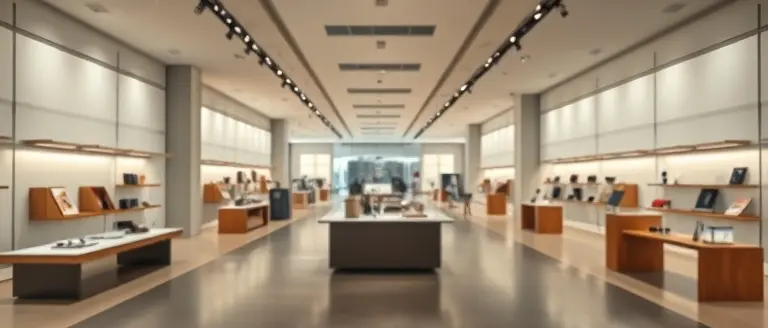
Lowe’s recent Lowe’s store expansion plans represent a fundamental pivot in retail philosophy, moving away from the cavernous, utilitarian warehouse aesthetic that has dominated the home improvement sector for decades. By implementing a new “showroom design” in its latest 2026 locations—such as the facility in Port St. Lucie, Florida—the company is prioritizing a curated customer experience that favors inspiration over mere stock volume. Traditional big-box layouts often overwhelm consumers with endless racking and difficult navigation; in contrast, these modernized storefronts emphasize intuitive wayfinding and lifestyle-focused vignettes. This strategy effectively positions Lowe’s as a destination for design-forward DIY enthusiasts and professionals who value precision and time-efficiency above raw inventory density.
Redefining the Retail Experience for Pros and DIYers
The shift to a showroom-centric model addresses the critical pain points that have long hindered the traditional hardware shopping experience. By segmenting the floor plan into specialized zones, Lowe’s creates a more seamless journey for both the residential remodeler and the trade professional. Key features of this evolution include:
- Streamlined Navigation: Reduced aisle congestion through optimized product placement, allowing contractors to find core supplies faster.
- Inspirational Displays: Interactive, lifestyle-oriented settings that allow customers to visualize finished projects rather than just viewing individual components on a shelf.
- Enhanced Consultative Spaces: Dedicated areas for pros to discuss complex orders with staff, facilitated by a layout that encourages professional collaboration.
This transformation is not merely aesthetic; it is a tactical response to the demands of modern homeowners who expect a retail environment that reflects the quality of their home improvement aspirations. By blending the efficiency of a supply warehouse with the high-touch service of a specialty boutique, Lowe’s is attempting to capture a larger share of the market that prioritizes project success over price alone. This structural shift signals that Lowe’s is aggressively pivoting toward becoming a lifestyle-oriented retail destination, ensuring its brick-and-mortar footprint remains relevant in an increasingly digital shopping landscape.
The Digital Spine: AI-Driven Efficiency via Relex Solutions

Lowe’s recent lowe’s store expansion plans represent more than a mere footprint increase; they signify a fundamental shift toward an AI-integrated retail ecosystem. To support the launch of their new showroom-style locations, the company has deployed sophisticated inventory management technology through a strategic partnership with Relex Solutions. By leveraging high-level predictive analytics, Lowe’s is moving away from reactive supply chain management toward a proactive model that anticipates demand surges with granular precision.
Powering the Showroom Experience
The “showroom design” promised in these new locations relies on a curated product display that requires higher stock accuracy to prevent customer frustration. The integration of Relex Solutions’ AI serves as the digital spine of this initiative, ensuring that the streamlined, modern store layouts remain fully stocked with the specific hardware, lumber, and specialized tools required by both DIY enthusiasts and Pro-contractors. Key benefits of this backend transformation include:
- Localized Demand Forecasting: AI algorithms analyze regional economic data to stock products tailored specifically to the needs of the community, such as high-demand seasonal landscaping gear in Florida.
- Optimized Stock Levels: By minimizing overstock while preventing out-of-stock scenarios, the system maximizes shelf space in smaller, more efficient floor plans.
- Faster Fulfillment: Enhanced inventory visibility allows for rapid replenishment cycles, supporting the “faster, more inspiring” experience Lowe’s has prioritized in its 2026 growth phase.
This technological backbone effectively closes the gap between the physical store and the omni-channel experience. As Lowe’s continues to scale its presence in booming areas, the synergy between Relex Solutions’ data-driven replenishment and the modernized store layouts ensures that the retailer can maintain agility in an increasingly competitive hardware market. For investors and analysts, this digital-physical integration signals a disciplined approach to capital expenditure, focusing on operational throughput rather than just square footage.
Investing in Human Capital: Bridging the Skilled Labor Gap

Beyond the physical architecture of new Lowe’s store expansion plans, the company recognizes that a modern retail footprint is only as effective as the people managing it. To address the persistent skilled labor shortage currently impacting the home improvement sector, Lowe’s has committed a significant $250 million investment toward workforce development. This strategic pillar is designed to move beyond traditional retail hiring, focusing instead on creating a specialized, expert-led environment that mirrors the complexity of modern construction and renovation projects.
The Strategic Value of Specialized Training
As Lowe’s implements its new showroom design, the expectations for store associates have shifted dramatically. Customers are no longer just looking for products; they require consultative expertise to navigate complex DIY installations and professional-grade projects. By channeling resources into robust training programs, Lowe’s aims to:
- Elevate the Customer Experience: Provide on-the-floor experts capable of advising on technical projects, directly supporting the needs of the Pro-contractor segment.
- Enhance Operational Agility: Train staff to interact seamlessly with AI-driven inventory systems like Relex Solutions, ensuring that employees can focus on high-value interactions rather than manual stock replenishment.
- Create a Competitive Moat: In an era where online retail is prevalent, highly trained, knowledgeable personnel serve as a primary differentiator that physical stores can offer, which digital platforms cannot replicate.
This human-centric approach is vital to the 2026 growth narrative. Evidence suggests that as Lowe’s opens new locations in booming regions like Florida, the ability to rapidly staff these stores with qualified professionals is the true bottleneck to success. By prioritizing human capital alongside technological upgrades and physical construction, the company is positioning itself to be more than just a hardware supplier; it is becoming a partner in the end-to-end renovation lifecycle. This dual investment—in high-tech logistics and highly skilled people—creates a balanced ecosystem that secures Lowe’s long-term competitive advantage in the retail landscape.
Bridging the Gap Between Retail Modernization and Master Craftsmanship
Lowe’s strategic pivot toward a modernized showroom experience signals a significant shift in how hardware retailers will compete for the attention of both Pro-contractors and serious DIY enthusiasts. By moving away from warehouse clutter and toward streamlined, AI-optimized inventory management, Lowe’s is successfully lowering the friction of acquisition. However, the physical availability of premium lumber and hardware is only the first step in a successful home improvement journey; the true value remains in the precision of the build itself.
While the new, streamlined showroom layout makes gathering your materials faster, the true value of a project lies in the planning. Even the highest-quality materials from a top-tier Lowe’s location are only as good as the blueprints directing them. This is where the bridge between retail innovation and project completion is built. For those looking to turn their next hardware store visit into a professional-grade build, access to reliable, verified plans is the final missing piece of the puzzle.
Ted’s Woodworking provides the essential intellectual infrastructure to ensure your efforts are never wasted. By offering a library of 16,000 workshop-tested plans, this resource eliminates the trial-and-error frustration that often plagues amateur projects, guaranteeing that your premium materials are utilized with professional precision. It is the natural next step for any serious builder aiming to maximize the utility of their materials.
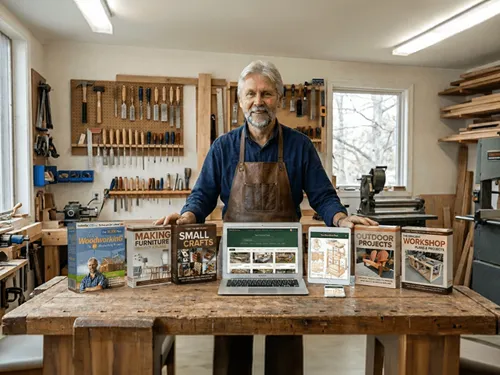 Ready to bring your home improvement vision to life with professional certainty? Explore a library of 16,000 verified woodworking plans to pair with your next Lowe’s project.Yes, I Want to Build Professional Projects Today!