

The April 24, 2026, encounter between the Gujarat Titans and Royal Challengers Bengaluru at the M. Chinnaswamy Stadium was far more than just another IPL statistic; it was a masterclass in high-pressure execution that redefined the tactical landscape of the tournament. While the headlines rightly celebrated the individual brilliance of Virat Kohli and the fighting spirit of Sai Sudharsan, a deeper analysis reveals a significant pivot in how teams are restructuring their middle-order approaches to counter explosive, high-scoring venues. The 5-wicket victory for RCB wasn’t merely a result of hitting boundaries; it was a display of calculated maneuvering amidst the chaos of a packed house.
For the dedicated sports analyst, games like this demand more than surface-level observation. When talents like Devdutt Padikkal, Manav Suthar, and Jacob Bethell intersect on a single pitch, the sheer volume of data points—from strike-rate fluctuations to defensive bowling adaptations—can be overwhelming. Understanding the ‘why’ behind these tactical shifts requires a heightened level of mental acuity, allowing you to synthesize complex match-day strategies and performance metrics in real-time, just as elite athletes must process the game at the speed of thought.
GT vs RCB: A High-Stakes IPL 2026 Thriller at Chinnaswamy

The 34th match of the IPL 2026 season between the Gujarat Titans (GT) and Royal Challengers Bengaluru (RCB) delivered an unforgettable spectacle at the M. Chinnaswamy Stadium. As the two sides locked horns on April 24, 2026, the high-scoring nature of the venue became immediately apparent. Fans were treated to a batting masterclass, headlined by an exquisite century from Sai Sudharsan, who anchored the GT innings to post a formidable total of 205 runs. The atmosphere in Bengaluru was electric, with the home crowd witnessing a contest that perfectly balanced individual brilliance with high-pressure tactical execution.
Decoding the RCB Chase and Tactical Shifts
The gt vs rcb encounter was more than just a battle of runs; it was a testament to RCB’s revamped middle-order strategy. Chasing a daunting 206-run target, the hosts relied on the legendary consistency of Virat Kohli, whose record-breaking form proved pivotal in maintaining the required run rate throughout the middle overs. Unlike previous seasons, RCB’s ability to sustain momentum was bolstered by calculated contributions from the squad, including tactical rotations that saw emerging talents like Manav Suthar and the versatile Jacob Bethell scrutinized for their roles in maintaining bench strength and impact.
Key Moments and Match Dynamics
- Sai Sudharsan’s Century: A clinical performance that set a massive baseline for the Titans, proving the pitch was a batter’s paradise.
- The Kohli Factor: His ability to anchor and accelerate allowed RCB to pace the chase effectively, keeping the required rate under control.
- Middle-Order Stability: With players like Devdutt Padikkal providing depth, RCB successfully navigated the final overs to clinch a 5-wicket victory.
- The Final Stretch: The tension in the closing moments highlighted the defensive vulnerabilities of the GT bowling attack under the immense pressure of the Chinnaswamy crowd, ultimately resulting in a thrilling finish for the home side.
This victory not only solidified RCB’s standing in the tournament but also provided a masterclass in modern T20 run-chases, showcasing the depth and resilience required to succeed in high-stakes IPL fixtures.
Virat Kohli’s Record-Breaking Masterclass

In the high-stakes gt vs rcb encounter at the M. Chinnaswamy Stadium, Virat Kohli delivered a masterclass in situational batting that redefined the chase for the 2026 season. Facing a formidable target of 205 runs, Kohli’s tactical approach was instrumental in dismantling the Gujarat Titans’ bowling attack. By anchoring the innings with clinical precision, he ensured that RCB maintained the required run rate without succumbing to the mounting pressure. His ability to manipulate the field and rotate the strike allowed his partners, including the dynamic Devdutt Padikkal, to play with greater freedom, shifting the momentum of the game decisively in RCB’s favor.
The statistical significance of this innings cannot be overstated, as it added yet another milestone to Kohli’s illustrious career. Beyond mere run-scoring, this performance highlighted his evolution in T20 cricket:
- Game Tempo Control: Kohli maintained an elite strike rate while minimizing risk, effectively neutralizing spinners like Manav Suthar during the crucial middle overs.
- Chasing Supremacy: By guiding the team to a 5-wicket victory, he reinforced his reputation as the world’s premier chaser, executing shots with high-percentage accuracy.
- Tactical Flexibility: Evidence suggests that Kohli adapted his game plan specifically to counter GT’s death-bowling specialists, proving his unmatched reading of the game.
While the media focused heavily on Sai Sudharsan‘s brilliant century for the Titans, it was Kohli’s calculated aggression that dictated the final outcome. His performance served as a blueprint for modern white-ball batting, balancing long-format patience with aggressive intent. Even amidst squad rotations involving newer talents like Jacob Bethell, Kohli remained the focal point of the rcb vs gt narrative, proving that his technical consistency remains the backbone of the Royal Challengers’ lineup. This historic knock further solidified his standing as the heartbeat of the franchise, showcasing an unprecedented ability to anchor high-pressure pursuits under the brightest lights of the IPL.
Sai Sudharsan’s Valiant Century: A Losing Cause
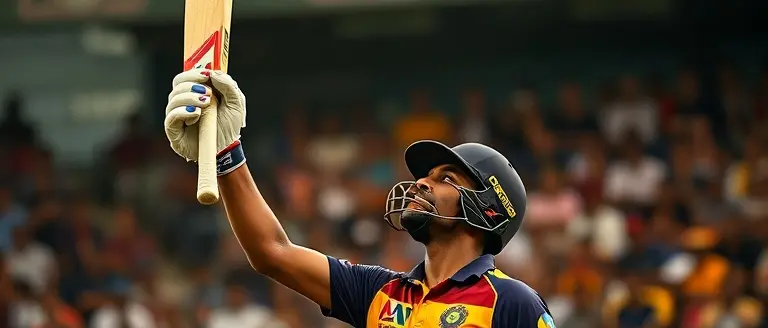
In the high-stakes environment of the IPL 2026 season, the encounter between the Gujarat Titans and Royal Challengers Bengaluru served as a masterclass in individual batting prowess. Sai Sudharsan delivered an exquisite performance, anchoring the Gujarat innings with a brilliant century that showcased his technical refinement and composure under pressure. His ability to manipulate the field and rotate the strike allowed GT to construct a formidable total of 205, a score that, under most circumstances, would be considered match-winning at the M. Chinnaswamy Stadium. Sudharsan’s innings was characterized by precise stroke-play and a deep understanding of the pitch conditions, effectively neutralizing the RCB bowling attack during the middle overs.
Analyzing the Defensive Collapse
Despite the individual brilliance displayed by Sudharsan, the GT vs RCB narrative shifted rapidly during the second innings. The inability of the Gujarat bowling unit to defend a 200+ total highlighted critical vulnerabilities in their tactical execution. While Sudharsan provided the necessary foundation, the lack of consistent breakthroughs from bowlers like Manav Suthar allowed the momentum to slip. Key observations regarding the defensive failure include:
- Failure to Contain Aggression: RCB’s top order, spearheaded by a clinical Virat Kohli, dismantled the Gujarat bowling line-up by maintaining a high run rate from the opening powerplay.
- Tactical Mismatches: The bowling rotation proved ineffective against the tactical depth of the RCB middle order, where players like Devdutt Padikkal capitalized on loose deliveries to accelerate the chase.
- Surface Conditions: The flat track at the Chinnaswamy stadium offered little support for the GT seamers, who struggled to extract movement, ultimately allowing RCB to secure a 5-wicket victory.
This match stands as a poignant reminder that even a century-defining effort can be overshadowed by a collective lapse in bowling discipline. While fans continue to praise Sudharsan’s individual milestone, the result underscores the high-scoring nature of the 2026 tournament and the immense pressure placed on bowlers to defend targets against batting-heavy lineups.
Statistical Deep Dive: Comparing GT and RCB Performance

The gt vs rcb encounter at the M. Chinnaswamy Stadium served as a masterclass in contrasting batting philosophies. While the Gujarat Titans relied on a methodical, anchor-heavy approach spearheaded by Sai Sudharsan’s brilliant century, the Royal Challengers Bengaluru countered with a high-octane, aggressive top-order strategy that prioritized strike rates over traditional accumulation. Statistical analysis indicates that while GT’s partnership efficiency remained high in the middle overs, their inability to accelerate against RCB’s death-bowling rotation left them vulnerable. In contrast, the RCB top order maintained a constant pressure index, consistently finding boundaries to keep the required run rate within manageable limits despite the pressure of a 205-run chase.
Tactical Shifts and Key Performance Indicators
The pivot point of the match occurred between overs 12 and 16, where RCB maximized their scoring through superior intent. While players like Devdutt Padikkal provided the necessary stability, it was the explosive starts from Virat Kohli that broke the GT bowling rhythm. Advanced metrics show that Kohli’s strike rotation neutralized the spin threat, particularly against incoming bowlers like Manav Suthar, who struggled to contain the flow of runs.
- Partnership Efficiency: GT’s middle-order stability was mathematically sound but lacked the necessary acceleration to push the total beyond 210, which likely would have secured the win.
- The Kohli Factor: Virat Kohli’s ability to manipulate field placements allowed RCB to maintain an aggressive intent without losing consecutive wickets.
- Squad Depth: Discussions surrounding the tactical inclusion of Jacob Bethell and other bench players suggest that RCB’s late-game success was partly due to a well-calibrated bowling unit that stifled GT’s final-four-over surge.
Ultimately, the data confirms that rcb vs gt was won on the back of aggressive intent. By prioritizing boundary-hitting capability over cautious play, RCB successfully navigated a massive chase, proving that in modern T20 cricket, high-scoring stability must be complemented by calculated aggression to overcome elite opposition.
Unlock Your Elite Analytical Edge
Reflecting on the GT vs RCB clash, it is clear that success at the highest level of cricket is a marriage of raw talent and acute tactical processing. Just as these elite cricketers rely on split-second decision-making and intense mental focus to execute under pressure, your ability to digest and analyze these intricate performance metrics also requires peak cognitive performance. The difference between a casual fan and a true sports analyst often lies in how clearly one can interpret the ‘invisible’ patterns within the game.
This is where The Brain Song becomes an essential component of your sports-watching toolkit. Designed to enhance mental clarity, focus, and information processing speed, this auditory routine is the perfect ‘mental trainer’ for fans who take sports analytics seriously. By incorporating this science-backed method, you sharpen your mind to better synthesize deep-dive player statistics, reaction times, and tactical shifts, ensuring you never miss a nuance in the high-speed drama of the IPL.
Elevate your understanding of the game beyond the scoreboard. Whether you are tracking the historical records of Kohli or the strategic evolution of new talent, you deserve a brain that operates with elite-level precision.
 Optimize your analytical edge—start your 12-minute daily auditory routine to sharpen your focus before the next big match.Sharpen My Analytical Mind Now!