
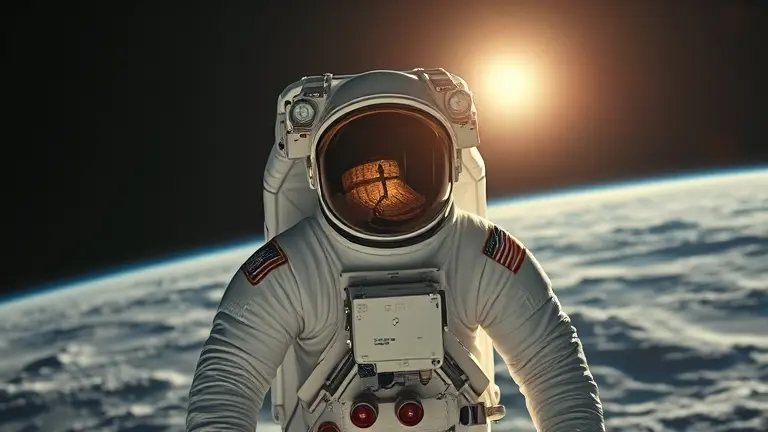
When NASA commander Reid Wiseman looked out from the Orion spacecraft during the historic Artemis II mission, he witnessed a sight that stopped the world: the Earth slipping behind the moon, a modern-day ‘Earthset’ captured in stunning clarity on an iPhone 17 Pro Max. This moment quickly became a cultural touchstone, igniting global fascination with the astronaut’s perspective. However, amidst the viral acclaim, the narrative surrounding the mission was briefly clouded by social media misinformation—specifically, sensationalist claims regarding an alleged religious conversion. In truth, Wiseman’s experience was one of deep, human emotional processing, a testament to the sheer weight of witnessing our home planet from the depths of space.
By looking past the clickbait and into the reality of the Artemis II mission, we uncover a fascinating story of technical innovation and the profound cognitive impact of space exploration. Wiseman’s ability to remain composed, document history, and articulate his emotions under high-stakes pressure offers a unique lens through which we can view our own mental resilience. Whether dealing with the vastness of the cosmos or the complexities of daily life, the secret to navigating high-pressure environments often comes down to our ability to achieve and maintain radical mental clarity.
Reid Wiseman and the Artemis II Legacy: Fact vs. Fiction

The successful conclusion of the Artemis II mission in April 2026 marked a historic milestone in human spaceflight, yet the post-mission narrative for wiseman artemis commander Reid Wiseman has been complicated by a wave of digital misinformation. While the mission was celebrated globally for its technical prowess, social media platforms saw the rapid spread of unsubstantiated claims suggesting that Wiseman experienced a religious conversion while observing deep space. These viral headlines originated from a misinterpretation of a post-flight interview where the wiseman astronaut shared deeply personal reflections regarding the profound emotional impact of viewing Earth from the lunar vicinity.
Clarifying the Narrative
To maintain the integrity of the Artemis legacy, it is essential to distinguish between emotional human experience and theological shifts. Official records and subsequent investigations by fact-checkers, such as Snopes, have definitively debunked the claim that Wiseman underwent a religious conversion. During his debriefing, Wiseman mentioned speaking with a Navy chaplain to process the overwhelming awe—a standard protocol for emotional wellness following high-stress, high-duration missions. The distortion of his conversation—which centered on the sheer intensity of the mission’s psychological weight—into a sensationalized conversion story highlights the challenges of digital literacy in the space-reporting era.
Focusing on Technical Achievements
Moving past the online rumors, the focus of the Artemis II legacy remains firmly on its groundbreaking professional achievements:
- The Earthset Footage: Wiseman’s capture of the “Earthset”—the Earth slipping behind the moon—using an iPhone 17 Pro Max stands as a landmark in space communication, demonstrating the power of modern, accessible technology to document human history.
- Operational Success: The crew’s ability to conduct intricate maneuvers and scientific testing under intense pressure solidifies the mission as the cornerstone for future lunar base exploration.
- Human-Centric Exploration: The mission highlighted that the wiseman astronaut experience is as much about human resilience and emotional processing as it is about rocket science and orbital mechanics.
By prioritizing these objective realities, the public can better appreciate the true magnitude of the Artemis II mission and the genuine, human dedication of its crew.
Capturing Earthset: A New Cultural Milestone in Space Exploration

The Artemis II mission has cemented its place in history, not just for its complex orbital maneuvers, but for a singular, breathtaking moment: the first high-definition video of “Earthset.” Captured by wiseman astronaut Reid Wiseman using an iPhone 17 Pro Max, the footage provides a visceral, human-centric perspective of our planet slipping behind the lunar horizon. This imagery serves as a modern successor to the iconic 1968 “Earthrise” photo from Apollo 8. While Apollo 8 relied on heavy, analog film cameras that required specialized handling, the Artemis II capture highlights a paradigm shift in space documentation. By utilizing off-the-shelf, high-performance consumer hardware, Wiseman successfully bridged the gap between scientific exploration and accessible storytelling, allowing millions of viewers to experience the profound isolation of space through a familiar lens.
Technical Prowess and Cultural Impact
The significance of using a consumer device for this landmark event cannot be overstated. It represents the democratization of deep-space media, where the constraints of professional-grade cinematography equipment are no longer the sole gatekeepers of cosmic perspective. The technical achievement of the wiseman artemis recording includes several notable advancements in space-based content creation:
- Dynamic Range and Stability: The iPhone 17 Pro Max’s computational photography effectively managed the high-contrast environment of the lunar void, balancing the pitch-black backdrop with the luminous, glowing edge of Earth.
- Accessibility: By utilizing familiar technology, Wiseman facilitated a sense of intimacy that resonates with a global audience, making the mission feel personal rather than abstract.
- Real-time Engagement: The ability to capture and transmit high-fidelity video directly from the lunar vicinity underscores the rapid evolution of communication relay systems within the Artemis program.
Ultimately, this footage has done more than document a mission; it has rekindled a global fascination with lunar exploration. By focusing on the raw, unedited beauty of our home world as seen from the Moon, the mission successfully reframed the Artemis endeavor as a deeply emotional human journey. This shift in documentation style invites the public to participate in the awe of space travel, setting a new standard for how we visualize our place in the universe for future generations of astronauts.
The Human Experience: Emotional Processing Beyond the Moon

The return from a deep-space mission represents more than a physical splashdown; it is a profound psychological threshold. As commander of the Artemis II mission, wiseman astronaut Reid Wiseman experienced the unique isolation of the lunar environment, an environment that triggers intense cognitive and emotional responses. Following the mission’s conclusion in April 2026, public interest surged, but some narratives surrounding Wiseman’s mental state became distorted by online misinformation. Reports suggesting a sudden religious conversion following his view of the lunar surface have been debunked; in reality, Wiseman’s post-mission reflections reveal a focus on psychological resilience and the human capacity to process overwhelming stimuli.
Processing the “Overview Effect”
The psychological reality of deep-space travel often results in what experts call the “Overview Effect”—a cognitive shift reported by astronauts who view Earth from the vantage point of space. Wiseman described his post-flight discussions with a Navy chaplain as a vital part of his decompression, not as a catalyst for a change in his foundational beliefs. During his interviews, he emphasized:
- The necessity of professional support to process the sheer scale of the Artemis II experience.
- The overwhelming emotional gravity of seeing Earth as a fragile, singular entity against the void.
- The distinction between experiencing a moment of profound spiritual awe and undergoing a formal religious conversion.
By framing his conversations as a tool for emotional regulation, Wiseman underscores the high level of psychological preparation required for modern space flight. His honesty regarding his internal processing helps demystify the human experience for future crews. Far from the sensationalist claims found in some corners of social media, the wiseman artemis narrative is actually a study in human endurance, the importance of mental health support, and the way explorers translate unprecedented visual experiences into manageable human emotions.
Life After Artemis: What the Mission Teaches Us About Our Home
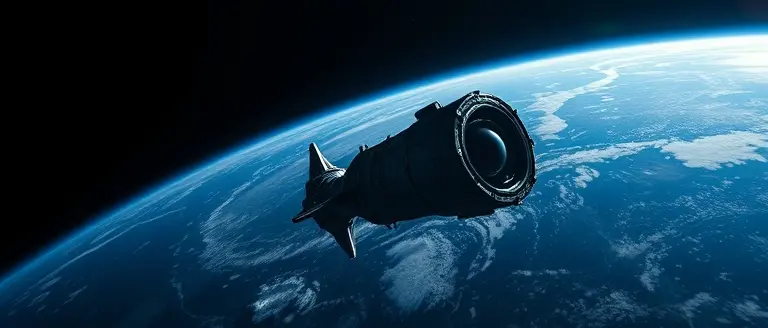
The successful conclusion of the Artemis II mission marks a transformative moment in human spaceflight, shifting the focus from the technical mechanics of deep-space travel to the profound philosophical impact of observing our planet from the lunar distance. For commander Reid Wiseman, the wiseman astronaut experience was defined not by sensationalized headlines, but by the quiet, humbling realization of Earth’s fragility. As the crew returned to Earth, their testimonies emphasized that seeing our home suspended in the vast void serves as a powerful call for global environmental stewardship. This perspective mirrors the cultural impact of the original Apollo missions, proving that when we venture further into the solar system, we invariably gain a clearer, more protective understanding of the only home we have.
Building a Legacy Beyond the Viral Moment
While internet chatter briefly fixated on mischaracterized rumors regarding Wiseman’s personal life, the actual value of the mission lies in the wiseman artemis project’s ability to democratize space imagery. By utilizing consumer technology to capture the historic “Earthset” video, the crew bridged the gap between complex aerospace operations and public accessibility. Moving forward, the lessons from this mission provide a roadmap for future lunar exploration:
- Scientific Advocacy: Astronauts are leveraging their unique vantage point to highlight climate patterns and the critical importance of planetary health.
- Technological Accessibility: The success of high-definition imagery captured on off-the-shelf devices proves that modern storytelling can inspire the next generation of engineers and scientists.
- Global Unity: By centering the human experience—the shared emotion and awe of the crew—NASA has refocused the international community on the tangible benefits of sustainable lunar discovery.
Ultimately, the Artemis II mission transcends the fleeting nature of social media trends. It stands as a testament to human ingenuity and our enduring curiosity, proving that our return to the Moon is not just a technological objective, but a necessary step in our collective evolution as a spacefaring species committed to preserving our terrestrial home.
Recalibrate Your Focus for Peak Performance
The mission of Artemis II serves as a profound reminder that even in the vastness of space, the human experience is anchored by our ability to process awe and maintain cognitive precision. While Wiseman’s viral footage captured the world’s imagination, the true takeaway remains the immense mental discipline required to navigate such unprecedented environments. Just as these explorers must filter out the noise of deep space to remain mission-ready, we face a daily deluge of information that can cloud our judgment and diminish our focus.
Achieving this level of mental clarity isn’t just for astronauts; it is a fundamental skill for anyone looking to master their personal and professional life. The cognitive demands of modern living require tools that go beyond basic productivity hacks. By utilizing neuroscience-based auditory stimulation, you can prime your brain for high-level tasks, achieving a state of flow that mimics the intense focus of the Artemis crew as they recalibrated their perspective from the lunar orbit.
Your journey to enhanced mental performance begins with a simple, science-backed step. By integrating targeted soundscapes into your routine, you can effectively clear the mental fog and sharpen your concentration, ensuring you are operating at your absolute peak when it matters most. It is time to treat your cognitive health with the same rigorous commitment as a space mission. Experience the same mental clarity and focus that defines peak human performance; start your 12-minute auditory training with The Brain Song today.
 Experience the same mental clarity and focus that defines peak human performance; start your 12-minute auditory training with The Brain Song today.Yes, I Want This Now!