

The 2026 Mutua Madrid Open has transformed into a high-stakes proving ground, with Naomi Osaka once again commanding the spotlight as she navigates the demanding transition to clay-court tennis. Her hard-fought second-round victory over Maria Camila Osorio Serrano was more than just a win; it was a masterclass in tactical adaptation. By recalibrating her aggressive baseline game to suit the slower, more unpredictable surface of Madrid, Osaka demonstrated the kind of strategic maturity necessary for a deep run at the upcoming French Open. She isn’t just playing; she is systematically rebuilding her game to thrive in the most grueling environments on the WTA tour.
While the headlines naturally gravitate toward established icons like Osaka, the tournament also highlights the shifting landscape of American tennis. Emerging talents like Hailey Baptiste are proving that the future of the sport is bright, adding intense competition to the draws and forcing veterans to elevate their play to new heights. For fans and analysts, the intrigue lies in the ‘why’ and ‘how’—the subtle technical shifts and physical endurance required to stay relevant in this rapidly evolving era. As we track this Road to Roland Garros, it is clear that the divide between success and struggle lies in the ability to optimize performance under pressure.
,slug:
Naomi Osaka’s Madrid Open Momentum: A Second-Round Recap

The 2026 Mutua Madrid Open has become a critical proving ground for Naomi Osaka as she refines her tactical approach to the clay surface. On April 23, 2026, Osaka delivered a pivotal performance in the second round, overcoming a formidable challenge from Maria Camila Osorio Serrano. The victory was not merely a notch in the win column; it served as a testament to her technical adjustments, particularly in managing the heavy, sliding conditions characteristic of Madrid’s high-altitude clay. By successfully navigating a demanding second set, Osaka demonstrated the mental fortitude and baseline stability required to compete at an elite level as she builds momentum toward the French Open at Roland Garros.
Tactical Shifts and Tournament Context
The match against Osorio highlighted a more patient, controlled aggression from Osaka, a departure from the “all-out” power game that often defines her hard-court style. Analysts have noted that her movement on the red dirt is becoming increasingly fluid, allowing her to neutralize opponents who rely on consistent retrieval. Key takeaways from this match include:
- Improved Serve Placement: Osaka’s ability to use the kick serve effectively to pull Osorio wide provided the necessary space to dictate points.
- Baseline Patience: A noticeable reduction in unforced errors during long rallies proved that her fitness levels are scaling appropriately for the longer duration of clay-court tennis.
- Surface Adaptation: Better sliding mechanics were evident, preventing the loss of balance that hampered her previous attempts at a full-time clay transition.
As the tournament bracket unfolds, fans have also tracked the simultaneous rise of other American contenders. The concurrent scheduling of Hailey Baptiste in her own second-round match against Kaitlin Quevedo created a surge in interest for U.S.-based tennis followers. While Osaka remains the headline act, the parallel success of players like Baptiste underscores the depth and evolving narrative of American women’s tennis. This synergy of established stars and hungry prospects keeps the broader conversation in Madrid focused on how these athletes are preparing for the upcoming major cycle. Osaka’s survival in a tight contest underscores the difficulty of the field, yet her trajectory suggests she is finding her rhythm at exactly the right moment.
Tactical Turning Points: Breaking Down the Osorio Match
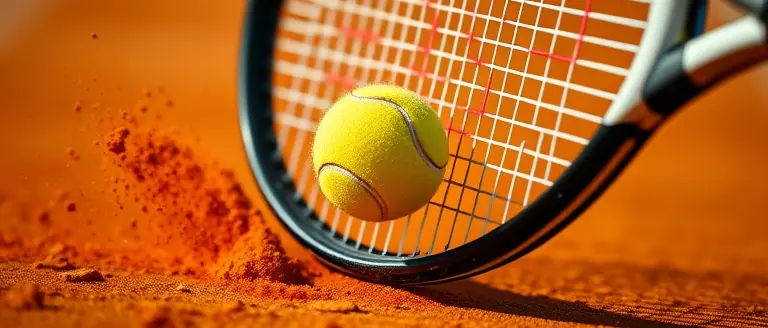
Naomi Osaka showcased a masterclass in adaptation during her second-round victory against Maria Camila Osorio Serrano at the 2026 Mutua Madrid Open. While typically known for her flat, aggressive groundstrokes on hard courts, Osaka had to significantly recalibrate her game to manage the slower, higher-bouncing nature of the European clay. Analysis of the match reveals that the four-time Grand Slam champion relied on increased topspin and improved lateral movement to neutralize Osorio’s defensive capabilities. Unlike her traditional baseline-bludgeoning style, Osaka integrated more patience into her rallies, choosing the optimal moment to transition forward rather than forcing winners from defensive positions.
Strategic Adjustments and Serving Metrics
The tactical pivot was most evident in her serving patterns and rally construction. Throughout the contest, Naomi Osaka focused on maintaining a high first-serve percentage to prevent Osorio from dictating play with aggressive returns. By prioritizing placement over pure velocity, she effectively kept her opponent off balance.
- Shot Selection: Increased use of heavy, angled cross-court forehands to open up the court, a necessity on the Madrid clay.
- Movement Efficiency: Osaka demonstrated improved sliding techniques, reducing the recovery time between her defensive sprints and offensive follow-ups.
- Pressure Management: During the high-stakes second set, she maintained a composure that was notably absent in previous clay-court seasons, opting for controlled aggression when facing breakpoints.
As fans and analysts keep a close eye on the tournament bracket, the parallel progression of players like Hailey Baptiste highlights the depth of American talent currently making waves on the international circuit. While Baptiste’s path involves navigating her own rigorous schedule against opponents like Kaitlin Quevedo, Osaka’s performance serves as a blueprint for veteran players looking to master the surface transition. The synergy of these performances is building significant anticipation for the upcoming French Open, as Osaka’s ability to “grind out” wins on clay suggests she is becoming a genuine threat on all surfaces once again.
The Road to Roland Garros: Statistical Performance Review
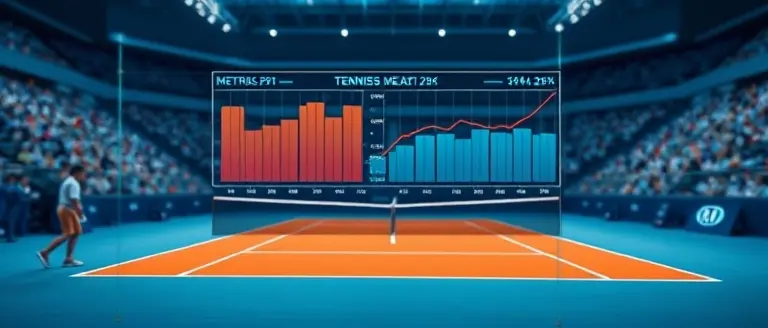
As Naomi Osaka navigates the 2026 Mutua Madrid Open, her statistical profile on clay is under intense scrutiny from analysts and fans alike. Historically, the red dirt of Roland Garros has presented a unique challenge for her power-based game, characterized by slower court speeds and higher bounces. Current performance metrics from the Madrid swing suggest that Osaka is prioritizing controlled aggression over pure velocity. Evidence from her recent victory against Maria Camila Osorio Serrano indicates a significant improvement in her break point conversion rate, a critical indicator of mental fortitude during high-leverage moments on the surface. By comparing her current season stats—specifically a downward trend in unforced errors during long baseline rallies—against her 2022-2023 clay-court campaigns, it is clear that her tactical approach is shifting toward sustainable point construction rather than relying solely on the first-serve dominance that defines her hard-court legacy.
Tactical Adjustments for Paris
Success at the upcoming French Open requires more than just raw power; it demands a sophisticated understanding of slide-and-recover mechanics and defensive endurance. Rising talents like Hailey Baptiste serve as a benchmark for the current generation of American players who are increasingly comfortable with the physical demands of clay. To maximize her chances in Paris, Osaka’s team has focused on several key performance indicators:
- Service Efficiency: Maintaining a higher percentage of first-serve points won despite the dampening effect of the clay surface.
- Net Aggression: Incorporating more frequent, calculated forays to the net to shorten points and counteract opponents who prefer extended cross-court battles.
- Recovery Metrics: Improving lateral movement speed to minimize the impact of the surface, allowing her to stay in rallies against defensive specialists.
These adjustments are not merely academic; they are essential for bridging the gap between her current Madrid form and the grueling nature of the Grand Slam format. As she continues to refine her movement, the synergy between her newfound patience and her trademark explosive baseline strikes makes her a compelling contender to watch as the tour transitions toward the premier clay-court event in France.
The Changing Landscape: Rising Stars vs. Veterans in American Tennis

The 2026 tennis season has highlighted a fascinating dichotomy in American women’s tennis, perfectly encapsulated by the parallel campaigns of seasoned stars like Naomi Osaka and emerging talents such as Hailey Baptiste. While Osaka continues her high-stakes return to the tour, navigating the tactical nuances of clay-court tennis at the Mutua Madrid Open, players like Baptiste represent the aggressive, fresh energy surging through the domestic circuit. This blend of experience and ambition is currently reshaping the WTA tour schedule, forcing fans and analysts to look beyond the surface level of live scores toward a deeper understanding of tournament progression and player evolution.
Navigating the Draw: Generations in Competition
The recent scheduling at the Madrid Open—where both Osaka and Baptiste fought through the second round—illustrates the density of talent currently represented by American-affiliated players. While Osaka relies on her championship-level composure to dismantle opponents like Maria Camila Osorio Serrano, young prospects like Baptiste are gaining vital experience that serves as the foundation for their transition into top-tier contenders.
Key factors defining this generational shift include:
- Tactical Adaptation: Veterans like Osaka are focusing on clay-court adjustments—specifically, increasing their topspin RPM and refining defensive movement—to prepare for the French Open.
- Consistency vs. Volatility: Emerging players like Baptiste often bring a higher “fear factor” to the court, utilizing raw pace to disrupt the rhythm of established veterans.
- Mentorship Dynamics: The competitive environment in 2026 is fostering a unique ecosystem where rising stars use the presence of legends to gauge their own progression against the sport’s highest benchmarks.
As we look toward the remainder of the clay season, the draw paths for these athletes demonstrate the sheer difficulty of the modern tour. For enthusiasts, the tactical contrast between Osaka’s methodical baseline control and the explosive potential of players like Baptiste provides a compelling narrative for the road to Roland Garros. Monitoring these disparate career trajectories remains essential for understanding the future of the sport.
Optimizing Your Own Performance Engine
Naomi Osaka’s victory in Madrid serves as a powerful reminder that elite performance is rarely about raw power alone; it is the result of meticulous technical adjustments and sustained physical endurance. Whether you are analyzing the clay-court strategies of Osaka or the rising potential of Hailey Baptiste, it is clear that success at the highest level requires a body that operates with peak efficiency.
Just as elite players must optimize their technical approach to thrive on the grueling clay of Madrid and Paris, your own body requires the right metabolic support to sustain consistent energy throughout your daily challenges. Achieving this internal efficiency is no longer reserved for professional athletes. By focusing on your metabolism, you can unlock a new level of endurance and vitality that keeps you performing at your absolute best.
CitrusBurn is designed to bridge this gap, acting as a performance accelerator that helps you reactivate your body’s natural fat-burning processes and maintain high-level energy all day long. Much like a tactical adjustment unlocks a player’s potential on the court, this science-backed solution provides the physiological precision you need to overcome metabolic resistance. It is the natural next step for anyone looking to emulate the energy and readiness of the stars they admire.
 Discover the science of metabolic efficiency and optimize your daily energy levels here.Transform My Life Today