

The 33rd match of the 2026 IPL at Wankhede Stadium was billed as the “Indian El Clasico,” a clash between two titans—the Mumbai Indians and the Chennai Super Kings—both fighting to salvage their pride in a season defined by uncharacteristic instability. As the dust settled on a staggering 103-run victory for the Super Kings, the Mumbai indians vs chennai super kings match scorecard revealed more than just a lopsided result; it exposed the tactical desperation of two struggling dynasties. While Sanju Samson’s unbeaten century and Akeal Hosein’s four-wicket demolition were the clear headlines, the subplots proved far more intriguing.
Central to this tactical re-evaluation was the role of Sarfaraz Khan in the middle order. His 14-run contribution, though modest on the stat sheet, signaled a calculated shift in how CSK manages high-pressure scenarios when their traditional core is under fire. To understand the true narrative behind this landslide defeat, one must look beyond the surface-level metrics and examine the cognitive discipline and mental agility that these players brought to the pitch under the suffocating pressure of a packed Wankhede crowd.
The Wankhede Anatomy: Analyzing the 103-Run CSK Victory

The 33rd match of the 2026 Indian Premier League served as a brutal reality check for the Mumbai Indians (MI), as the Chennai Super Kings (CSK) dismantled the hosts at Wankhede Stadium with a commanding 103-run victory. Analyzing the Mumbai Indians vs Chennai Super Kings match scorecard reveals a lopsided contest that exposed the tactical vulnerabilities of both five-time champions during a lackluster 2026 season. The match was defined by Sanju Samson’s masterclass, where he anchored the innings with a brilliant, unbeaten century, effectively taking the game away from the MI bowling unit before they could establish any rhythm.
Tactical Shifts and Key Performers
While the top-order fireworks took center stage, the depth of the CSK lineup proved pivotal in maintaining their momentum. Tactical changes, such as the strategic insertion of Sarfaraz Khan into the middle order, provided the necessary stability to support Samson’s aggressive approach. Sarfaraz Khan contributed a quick-fire 14 runs off 8 balls, showcasing his ability to rotate strike under pressure before falling to Mitchell Santner. This middle-order aggression allowed CSK to post a total that proved insurmountable for a struggling MI side.
The second half of the match was dominated by Akeal Hosein, whose four-wicket haul systematically dismantled the MI batting order. His ability to extract spin and variations on the Wankhede surface highlighted the disparity in execution between the two sides. Key takeaways from this encounter include:
- Bowling Dominance: Akeal Hosein’s clinical spell ensured that MI never found a partnership capable of sustaining a chase.
- Middle-Order Utility: The inclusion of depth players like Sarfaraz Khan indicates a shifting tactical approach for CSK as they attempt to salvage their mid-season standings.
- Franchise Struggles: Both teams remain in a state of flux, with this result highlighting the urgent need for structural adjustments as they fight to climb from the bottom half of the table.
The “Indian El Clasico” remains a massive draw for fans, yet this lopsided 103-run margin reflects a deeper decline in form for both legendary franchises, necessitating a swift overhaul in team selection and bowling strategy.
The El Clasico Crisis: Why Five-Time Champions Are Struggling
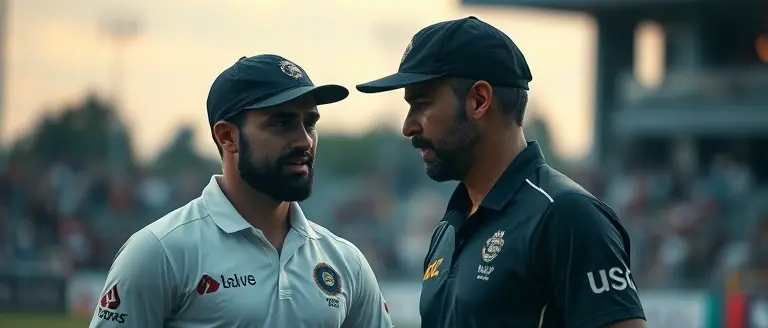
The 2026 IPL season has served as a sobering reality check for the tournament’s most storied franchises. In the highly anticipated 33rd match—often termed the ‘Indian El Clasico’—the Mumbai Indians vs Chennai Super Kings match scorecard painted a grim picture for the hosts at Wankhede Stadium. As both teams struggle to find their rhythm, experts point to a combination of tactical fatigue, transition-phase instability, and the inability of aging cores to adapt to the aggressive, high-velocity gameplay introduced by newer, younger franchises. While these teams boast five titles each, the “legacy” approach is increasingly being outmaneuvered by data-driven strategies and superior bench depth.
Tactical Shifts and Underperformance
The persistent struggles of MI and CSK are rooted in roster volatility and questionable middle-order management. During the April 23 encounter, CSK’s strategy favored aggressive stabilization, evidenced by their dominant 103-run victory. Key tactical adjustments, such as the deployment of Sarfaraz Khan in the middle order, highlighted the team’s ongoing search for the right balance. Although Sarfaraz contributed a brisk 14 runs off 8 balls before his dismissal, his role reflects the broader challenge: finding players who can anchor high-pressure situations while maintaining a modern strike rate.
Several factors are contributing to this mid-season malaise:
- Captaincy Pressures: The burden of transitioning leadership roles has disrupted team synergy, making on-field decision-making less fluid than in previous title-winning years.
- Transition Fatigue: Both franchises are managing a difficult generational shift. The reliance on veteran players who have historically delivered is yielding diminishing returns compared to the influx of high-impact talent elsewhere in the league.
- Middle-Order Vulnerability: The inconsistency of middle-order batters often leaves the team exposed during the middle overs, a weakness exploited by clinical bowling attacks like that of Akeal Hosein.
Ultimately, the 103-run margin of defeat for Mumbai highlights a growing gulf between tactical intent and execution. Unless both MI and CSK can redefine their core roles—utilizing versatile assets like Sarfaraz Khan more effectively—the gap between these former titans and the playoff contenders will likely continue to widen. The scorecard is no longer just a tally of runs; it is a clear indicator that the era of relying solely on pedigree is officially over.
The Sarfaraz Khan Factor and Tactical Personnel Shifts

The tactical inclusion of Sarfaraz Khan in the Chennai Super Kings (CSK) lineup during the 33rd match of the 2026 IPL served as a definitive signal of the team’s ongoing mid-season experimentation. While the broader narrative of the Mumbai Indians vs Chennai Super Kings match scorecard focused on Sanju Samson’s masterful unbeaten century and Akeal Hosein’s devastating spell, Sarfaraz’s role provided a subtle, yet crucial, blueprint for CSK’s middle-order stability. Scoring 14 runs off 8 balls before being dismissed by Mitchell Santner, his cameo was designed to accelerate the scoring rate against MI’s struggling spin attack, allowing the top order to capitalize on the Wankhede surface without unnecessary pressure.
Evaluating Middle-Order Stability
Integrating players like Sarfaraz Khan represents a calculated risk for a franchise historically known for its conservative selection policy. In the context of the 2026 season, where both CSK and MI have struggled despite their five-time champion pedigree, these personnel shifts are essential to addressing batting fragility. The decision to promote Sarfaraz was not merely about a singular innings, but a strategic move to:
- Counter-act early-over vulnerability: Providing a proactive hitter who can disrupt rhythm before the death overs.
- Create matchup advantages: Utilizing his prowess against specific bowling archetypes to maintain a high team run rate.
- Balance the depth: Freeing up anchors like Samson to bat deeper into the innings by ensuring there is a buffer of explosive hitters behind them.
Evidence suggests that for CSK to secure a playoff berth, such tactical rotations are no longer optional. While the sample size for Sarfaraz remains limited, his ability to inject energy into the middle order is a positive development. As the tournament reaches its business end, these experimental phases are paying dividends, providing the team management with a deeper bench and more flexible options for high-pressure encounters against teams like Mumbai Indians.
Rebuilding the Blueprint: Strategic Imperatives for the Remainder of 2026

The lopsided result reflected in the Mumbai Indians vs Chennai Super Kings match scorecard highlights a critical juncture for both five-time champions. While the 103-run margin underscored CSK’s dominance at Wankhede, both franchises face systemic issues regarding consistency and tactical execution. For the Mumbai Indians, the primary objective must be stabilizing a volatile middle order that has failed to build partnerships under pressure. Conversely, CSK must optimize their lineup flexibility to avoid over-reliance on individual brilliance, even when players like Sanju Samson deliver match-winning centuries.
Tactical Adjustments and Player Roles
To salvage their 2026 campaign, coaching staffs must move beyond rigid traditional roles. The inclusion of Sarfaraz Khan in the CSK middle order is a prime example of testing versatility. His 14-run cameo off 8 balls showed glimpses of intent, suggesting that CSK should empower players to play with aggressive intent from the onset rather than waiting for the death overs.
Strategic imperatives moving forward include:
- Bowling Rotation: MI needs to address their lack of penetration in the middle overs. Rotating spin options more aggressively could disrupt the flow of opposing batters.
- Batting Flexibility: Both teams must allow for “floater” positions in the batting order. If a team loses early wickets, sending in technical players like Sarfaraz Khan to stabilize before accelerating can prevent the collapse witnessed in this ‘El Clasico’ encounter.
- Data-Driven Matchups: Utilizing match-specific data to identify bowling vulnerabilities will be crucial. Evidence suggests that teams focusing on specific bowler-batter matchups during the powerplay gain a significant advantage in the latter half of the tournament.
By prioritizing these tactical shifts, both Mumbai and Chennai can refine their blueprints, moving away from past reliance on reputation toward a more agile, data-backed approach to the remaining IPL 2026 fixtures.
Decoding the Competitive Edge in Modern Sports
The 103-run thrashing at Wankhede served as a brutal reminder that even legends like MI and CSK are not immune to the pressures of a failing season. While Sanju Samson’s brilliance and Akeal Hosein’s clinical bowling stole the headlines, the match was ultimately decided by the cognitive discipline required to execute under intense scrutiny. Whether it is a seasoned veteran or a tactical addition like Sarfaraz Khan, the ability to maintain composure when the stakes are at their highest is what separates championship pedigree from mid-table struggle.
Just as these elite players require extreme mental clarity to execute under the roar of the Wankhede crowd, your own ability to process complex data and stay sharp hinges on your brain’s cognitive efficiency. Analyzing the granular shifts of a high-stakes match demands a level of focus that standard coffee breaks simply cannot sustain. This is where The Brain Song becomes the essential tool for the modern analyst.
By integrating a scientifically-backed, 12-minute audio routine into your daily workflow, you can optimize your mental processing speed and sharpen your analytical precision. Whether you are deconstructing IPL performance metrics or managing complex professional projects, The Brain Song provides the cognitive performance boost necessary to maintain peak intellectual sharpness in any high-pressure environment.
 Unlock your peak cognitive potential and master complex data analysis with The Brain Song’s daily 12-minute audio routine.Yes, I Want This Now!