
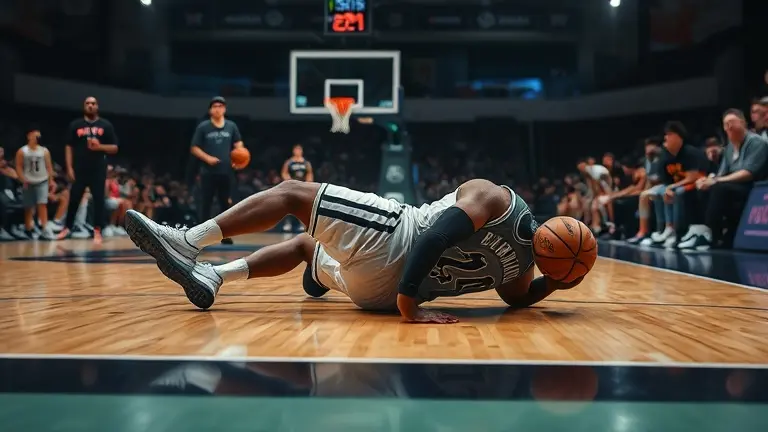
The image of Victor Wembanyama falling face-first onto the AT&T Center hardwood during Game 2 was more than just a jarring moment in a high-stakes playoff series—it was a sobering reminder of the physical cost of elite athleticism. With the series against the Portland Trail Blazers knotted at 1-1, the announcement that Wemby has officially entered the NBA concussion protocol has sent shockwaves through San Antonio and beyond. For fans and analysts, the primary concern has shifted from box scores to the complex, often unpredictable timeline of neurological recovery, leaving the superstar’s availability for Game 3 in serious doubt.
Beyond the surface-level reports of his injury, a deeper question remains: what does the NBA’s concussion protocol actually entail for a player of Wembanyama’s stature? As we parse the data behind the victor wembanyama injury and the rigorous return-to-play stages mandated by the league, it becomes clear that there is no shortcut to recovery. This article decodes the medical steps required to clear a concussion in a playoff atmosphere and examines how the Spurs must strategically pivot to survive the postseason if their centerpiece remains sidelined.
The Incident: Understanding Wembanyama’s Exit from Game 2
During the second quarter of the pivotal Game 2 matchup against the Portland Trail Blazers on April 21, 2026, Victor Wembanyama suffered a high-velocity fall that immediately silenced the arena. While driving aggressively to the basket, the Spurs superstar lost his balance mid-air, resulting in a frightening, face-first impact with the hardwood floor. Initial visual evidence from the broadcast captured the severity of the collision, with Wembanyama appearing to briefly lose consciousness upon landing on his chin. Medical staff from the San Antonio Spurs rushed to the court, and after a short evaluation, he was helped to the locker room and officially ruled out for the remainder of the contest.
NBA Concussion Protocol Activation
Following the game, the organization confirmed that Wembanyama had been placed in the league’s official NBA concussion protocol. This mandatory health and safety measure is designed to prioritize the long-term well-being of the athlete over immediate game availability. The victor wembanyama injury has sent shockwaves through the playoffs, as the series is currently tied at 1-1, and his defensive presence is foundational to the Spurs’ tactical scheme.
Key developments regarding the wemby concussion status include:
- Immediate Withdrawal: Per league standards, the wemby injury required an immediate, permanent removal from play to prevent “second-impact syndrome.”
- Multifaceted Assessment: The protocol requires the player to progress through a series of physical and cognitive exertion tests before returning to contact practice.
- Series Implications: With the series deadlocked, the uncertainty surrounding his availability for Game 3 on April 24 has forced head coach adjustments, as the team must now prepare for the possibility of competing without their centerpiece.
Because recovery timelines for a wembanyama head injury are notoriously variable, the Spurs remain in a holding pattern. The medical team is monitoring for delayed symptoms, which are common in high-intensity sports, ensuring that his eventual return is safe and sustainable for the remainder of the postseason.
Decoding the NBA Concussion Protocol: A Path to Recovery

Following the alarming on-court incident in Game 2, Victor Wembanyama has entered the NBA’s mandatory concussion protocol. Unlike typical orthopedic injuries with predictable healing timelines, a concussion involves complex neurological recovery. The NBA’s return-to-participation exertion protocol is a strictly regulated, step-by-step process designed to ensure an athlete is symptom-free before returning to high-stakes contact. This framework is intentionally non-linear, as medical staff monitor the player daily for any recurrence of symptoms, such as dizziness, headaches, or light sensitivity, particularly after physical exertion.
The Stages of NBA Return-to-Participation
The protocol requires the athlete to progress through several distinct levels of physical activity without aggravating their condition. Each stage must be cleared by team physicians and often requires consultation with an independent neurologist:
- Initial Rest: A period of physical and cognitive rest to allow the brain to recover.
- Light Aerobic Exercise: Stationary cycling or treadmill work at low intensity, aiming to increase heart rate without triggering symptoms.
- Individual Basketball Training: Non-contact drills such as shooting or individual ball-handling, ensuring the player can handle complex movement.
- Full Team Practice: Full-contact participation in team drills, representing the final hurdle before medical clearance for game action.
There is no set “timeline” for this recovery. While fans are understandably anxious about the wemby injury affecting the Spurs’ playoff run, the medical reality is that recovery rates vary significantly between individuals. For a superstar like Wembanyama, the league maintains a conservative approach to prioritize long-term health over immediate availability. Evidence suggests that rushing this process can lead to prolonged recovery, which is why the Spurs will remain cautious regarding his status for Game 3 and beyond. Every decision is based on daily symptom evaluation, ensuring that victor wembanyama is fully prepared to handle the intense physicality of the playoffs before returning to the court.
Spurs Performance Analytics: With vs. Without Victor
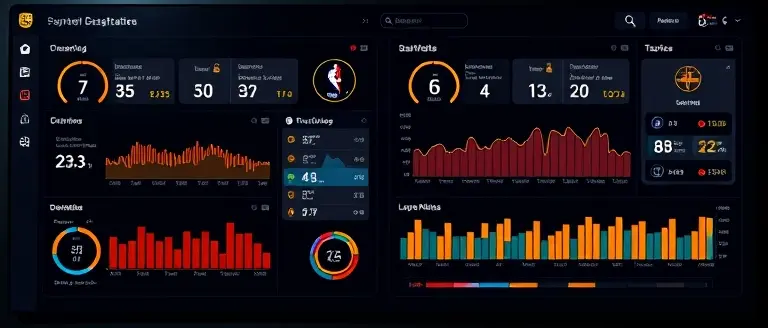
The statistical impact of a Victor Wembanyama injury goes far beyond mere box score production; it fundamentally alters the San Antonio Spurs’ structural integrity on both ends of the floor. Analytics reveal that with Wemby on the court, the Spurs maintain a defensive rating that ranks among the league’s elite, largely due to his unparalleled rim protection and ability to discourage drives into the paint. Without the 7-foot-4 superstar, the team’s defensive efficiency typically plummets, as opposing offenses no longer face the same gravity-defying interior presence that forces them into low-percentage jump shots.
Tactical Challenges for Coach Popovich
Facing a critical Game 3, head coach Gregg Popovich must navigate a massive schematic void. The Spurs rely on Wembanyama not just as a defensive anchor, but as a primary offensive initiator whose unique passing vision allows the team to operate in a high-low system. When Victor Wembanyama is sidelined, the offensive flow often stagnates, leading to an over-reliance on isolation play and a measurable decline in team field-goal percentage. To survive without their centerpiece, the coaching staff must consider:
- Shrinking the Floor: Implementing a more compact zone defense to compensate for the loss of elite individual rim protection.
- Pace Control: Reducing transition opportunities to limit the high-stakes defensive rotations that usually require Wembanyama’s recovery speed.
- Bench Rotation Shifts: Increasing reliance on veteran rim-running bigs to reclaim some verticality on both ends of the court.
Ultimately, the absence of Wembanyama forces the Spurs to abandon their identity as a transition-heavy, space-defending unit. Whether they can bridge this statistical gap will depend on their ability to execute a more conservative, half-court oriented game plan that prioritizes ball security and collective rebounding over the individual brilliance of their sidelined phenom.
Frequently Asked Questions: Playoff Implications and Fan Concerns
Will Victor Wembanyama be cleared for Game 3 on April 24?
The timeline for Victor Wembanyama returning to the court remains uncertain. While fans are eager for his participation in Game 3, the NBA’s concussion protocol is notoriously variable. Because every brain injury manifests differently, medical staff must ensure the Spurs superstar is completely asymptomatic through a series of physical and cognitive exertion tests before he is cleared for contact. Even if he reports feeling “fine,” the league mandates a graduated return-to-participation process that makes a rapid turnaround for an April 24 game statistically difficult and medically risky.
Why is the NBA so strict about the concussion protocol?
The NBA prioritizes long-term player health over immediate playoff needs to prevent the catastrophic risks associated with premature return, most notably second-impact syndrome. This condition occurs when an athlete suffers a second head injury before the brain has fully recovered from a previous concussion, potentially leading to rapid brain swelling or permanent neurological damage. By enforcing a rigid, multi-stage recovery process, the league ensures that players do not return until their neurological functions have fully stabilized.
What are the implications for the Spurs’ series against the Trail Blazers?
If Wemby is unable to play, the San Antonio Spurs must drastically shift their tactical approach. Without their primary rim protector and offensive focal point, the team faces significant challenges:
- Defensive Identity: The Spurs lose their most potent interior defender, likely allowing the Trail Blazers more success in the paint.
- Rotation Adjustments: Head coach Gregg Popovich will need to lean on a “next-man-up” mentality, shifting to a more perimeter-oriented small-ball lineup.
- Playoff Viability: Data suggests that the Spurs’ efficiency ratings drop sharply when Wembanyama is off the floor, putting immense pressure on the remaining roster to compensate for his missing scoring and rebounding output.
Ultimately, the focus remains on the Wembanyama injury recovery progress. While the series is currently tied 1-1, the organization is committed to protecting their franchise cornerstone, emphasizing that playoff success is secondary to ensuring he avoids further, potentially career-altering head trauma.
Prioritizing Cognitive Longevity Beyond the Court
As the Spurs navigate the delicate balance of Victor Wembanyama’s recovery, the focus remains on the rigid, data-driven structure of the NBA’s concussion protocol. While the team’s playoff aspirations rely heavily on the timeline of his neurological clearance, the incident serves as a stark reminder of the inherent vulnerability of the brain during high-intensity competition. Understanding the recovery process—from initial rest to physical exertion—highlights the critical importance of protecting cognitive resilience at every level.
Just as professional organizations utilize advanced protocols to stabilize brain function after trauma, high-performers are increasingly adopting proactive, science-backed strategies to optimize their own neural pathways. The focus on enhancing Brain-Derived Neurotrophic Factor (BDNF) is not merely for recovery; it is essential for long-term mental clarity and sustained cognitive health. In a world of increasing sensory load and physical strain, maintaining the integrity of our most vital organ requires a dedicated approach that mirrors the precision of elite athletic care.
By integrating neuro-supportive habits into your daily routine, you can fortify your brain’s natural defenses and enhance your mental focus. This is the natural next step for anyone committed to safeguarding their cognitive performance in an unpredictable environment. Explore the modern standard for brain maintenance and ensure your mental sharpness is optimized for the challenges ahead.
 Discover the 12-minute daily routine that top athletes use to support cognitive clarity and brain health.Protect My Brain Health Now