

The fixture between R.C.D. Mallorca and Valencia C.F. on April 21, 2026, will be remembered not just for its tense 1-1 outcome, but as a defining marker in Spanish football history. As the dust settled on Matchday 33, Valencia C.F. celebrated a monumental achievement: their 3,000th match in the prestigious LaLiga. However, the significance of this milestone was cast in the stark light of a desperate relegation battle, creating a fascinating dichotomy between the club’s storied past and the fragility of their current campaign.
While live score reports captured the raw tension of the draw, a deeper analysis reveals the true struggle of a historic giant fighting for its very survival. Between the tactical adjustments and the absence of key figures like Unai Núñez, the match was a masterclass in high-pressure football. For dedicated observers, dissecting such a critical encounter requires more than passing interest—it demands a sharp, analytical mind capable of connecting the dots between decades of tradition and the immediate, gritty reality of the 2025/2026 survival race.
R.C.D. Mallorca vs. Valencia CF: A Historic 1-1 Draw at Matchday 33
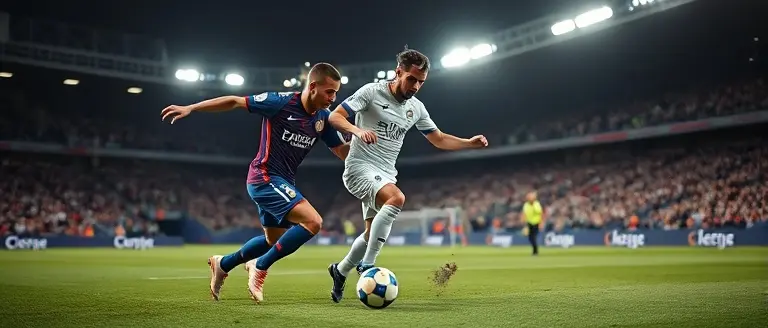
The r.c.d. mallorca – valencia c. f. clash on April 21, 2026, at the Estadi Mallorca Son Moix served as a tense tactical stalemate that mirrored the high-stakes environment of the 2025/2026 LaLiga survival battle. Ending in a 1-1 draw, the match saw both sides struggle to secure the decisive three points needed to distance themselves from the relegation zone. The atmosphere was palpable, as every pass and defensive recovery felt magnified by the precarious league positioning of both clubs. Valencia entered the fixture with significant roster limitations, most notably the unexpected exclusion of defender Unai Núñez from the matchday squad, which forced a reshuffling of the backline to handle the physical presence of the Mallorca attack.
Tactical Deadlock and Historical Milestones
While the scoreline suggests an evenly matched affair, the tactical narrative was defined by caution and structural discipline. Neither team was willing to concede the space necessary for an opponent to pull ahead, resulting in a game dominated by midfield attrition. For the visitors, the draw carried a weight beyond the standings. This fixture officially marked Valencia CF’s 3,000th match in the Spanish top-flight division, a historic milestone that highlights the club’s enduring legacy despite the current instability of the 2025/2026 campaign.
Key takeaways from the encounter included:
- The Milestone Significance: Becoming only the fourth club in LaLiga history to reach the 3,000-match threshold, Valencia CF underscored their deep institutional roots even while navigating one of their most challenging seasons.
- Survival Pressure: The single point gained kept both teams within reach of safety, though it failed to provide the necessary cushion required as the season enters its final stretch.
- Squad Management: The absence of Unai Núñez proved a focal point for critics, highlighting the depth issues facing the Valencia technical staff during this critical junction of the domestic calendar.
As the dust settles on this Matchday 33 fixture, the data remains clear: every point is a commodity. For Mallorca and Valencia, the draw serves as a microcosm of their season—resilient, measured, and fighting for relevance in a league where history offers no immunity from the threat of relegation.
Valencia CF Milestone: Reflecting on 3,000 Matches in LaLiga

The encounter between R.C.D. Mallorca – Valencia C. F. on April 21, 2026, transcended the standard drama of a typical mid-spring fixture. While the 1-1 draw carried significant weight in the high-stakes LaLiga survival battle, the match served primarily as a historic marker for the visitors. By stepping onto the pitch for this Matchday 33 clash, Valencia CF officially reached their 3,000th match in the Spanish top-flight division, an elite milestone achieved by only a select few clubs in football history.
A Legacy Defined by Resilience
Since their inception in the professional tier, Los Che have woven themselves into the fabric of Spanish football. Reaching this 3,000-match plateau offers a moment to reflect on a legacy that spans decades of glory, tactical evolution, and periodic instability. This milestone is not merely a numerical achievement; it acts as a mirror reflecting the club’s identity—one characterized by both championship pedigree and an uncompromising fighting spirit.
Historical Context and Modern Challenges
The juxtaposition of such a monumental anniversary against the backdrop of a relegation dogfight provides a sobering look at the reality of modern football. While supporters celebrated the club’s longevity, the squad’s tactical setup—including notable roster decisions like the exclusion of Unai Núñez—highlighted the immense pressure of the 2025/2026 campaign. Key takeaways from this journey include:
- Elite Longevity: Valencia CF remains a cornerstone of the league, with their 3,000 matches signaling institutional stability despite recent turbulent seasons.
- Tactical Pressure: The need for points in the relegation zone forced a cautious approach against Mallorca, prioritizing defensive integrity over historic flair.
- Future Outlook: As the club looks beyond this landmark, the focus remains firmly on maintaining their top-tier status to ensure the next 1,000 matches continue to be played among Spain’s footballing elite.
Ultimately, the 1-1 draw at Mallorca will be remembered less for its result and more for the enduring endurance of a club that continues to battle for its rightful place in the hierarchy of Spanish football.
The High-Stakes Battle for LaLiga Survival

The r.c.d. mallorca – valencia c. f. clash on Matchday 33 of the 2025/2026 LaLiga season served as a microcosm of the intense pressure faced by clubs hovering near the relegation zone. Entering this encounter, both teams were acutely aware that every point would determine their top-flight future. With the league table margins razor-thin, a victory was essential for either side to pull away from the dangerous drop zone; however, the resulting 1-1 draw highlighted the inherent difficulty of securing results in high-stakes survival battles. This deadlock kept the gap between the mid-table pack and the bottom three precarious, ensuring the fight for survival would extend deep into the final weeks of the campaign.
Tactical Pressure and Relegation Dynamics
The environment surrounding this fixture was heavily charged, as neither side could afford the defensive lapses that often define a relegation scrap. For Valencia CF, the match held additional weight as their 3,000th game in the Spanish top division, a milestone that intensified the pressure to perform under scrutiny. The exclusion of key personnel, such as Unai Núñez, forced tactical adjustments that impacted the team’s cohesion throughout the 90 minutes. Statistical insights from the match suggest that the fear of losing proved greater than the urge to win, leading to a calculated, albeit cautious, approach from both managers.
Key factors influencing this outcome included:
- Table Proximity: The direct points competition meant that a draw served to prevent the opponent from gaining ground, even if it failed to provide the necessary cushion for safety.
- Squad Management: Managerial decisions regarding player availability highlighted the difficulty of balancing historical legacy matches with the immediate, cold reality of a relegation fight.
- Psychological Impact: In a season defined by inconsistency, maintaining defensive structure took precedence over risky, expansive attacking play.
Ultimately, the draw left both clubs in a state of suspended animation, with the LaLiga survival battle requiring further points to solidify their status for the following season. The tactical rigidity on display reflected the anxiety of modern football, where historical prestige, such as Valencia’s 3,000-game legacy, must be protected by the grinding, often unglamorous, pursuit of points in the league’s lower tier.
Strategic Roster Management: Impact of Player Exclusions

In the high-stakes environment of a LaLiga survival battle, managerial decisions regarding squad composition often dictate the trajectory of a match. The r.c.d. mallorca – valencia c. f. fixture on April 21, 2026, served as a prime example of how tactical roster management influences on-field performance. The pre-match spotlight heavily focused on the exclusion of defender Unai Núñez from the Valencia squad, a move that prompted intense debate regarding tactical necessity versus internal disciplinary or performance-related standards. When navigating a critical matchday, coaches must balance the need for experience with the requirement for physical freshness, particularly as the 2025/2026 season nears its conclusion and fatigue levels peak.
The exclusion of core personnel forces a shift in tactical identity, often compelling teams to adopt a more pragmatic approach. For Valencia, the adjustment required to compensate for a missing defensive anchor like Núñez highlighted the fragility of their backline during this high-pressure encounter. Tactical analysts often cite the following pressures as primary drivers for these late-season roster decisions:
- Injury Prevention: Managing the workload of aging veterans to ensure availability for the remaining “must-win” matches.
- Tactical Suitability: Dropping players who do not fit the specific defensive structure required to neutralize a direct opponent like R.C.D. Mallorca.
- Psychological Readiness: Utilizing the squad depth to signal that individual performance standards remain a priority, regardless of historical prestige or the team’s standing in the LaLiga table.
Ultimately, the 1-1 draw between Valencia C. F. and Mallorca demonstrated that while roster volatility can disrupt team chemistry, it also forces tactical adaptability. Managers must weigh the long-term goal of league survival against the immediate need to secure points, making every player exclusion a calculated risk. In the context of a historic milestone—Valencia’s 3,000th match—these decisions take on even greater significance, as they reflect the club’s ongoing effort to maintain its elite legacy while confronting the immediate reality of a relegation fight.
Mastering the Analytical Game
The 1-1 stalemate between R.C.D. Mallorca and Valencia C.F. on April 21, 2026, was more than a mere point gained in a survival race; it was a watershed moment defining Valencia’s 3,000-match legacy in the top flight. Balancing the weight of historic milestones against the relentless pressure of a relegation battle requires not just grit on the pitch, but profound analytical focus from those who follow the beautiful game with passion. Understanding these tactical shifts and historic stakes demands a level of mental clarity that goes beyond casual sports reporting.
Just as players need peak mental acuity to navigate the high-stakes environment of a relegation fight, fans require sharp focus to decode the complex tactical legacy of Valencia CF’s 3,000th milestone. This is where The Brain Song becomes an indispensable tool for the modern football enthusiast. By leveraging neuroscience-backed audio routines, this method helps eliminate mental fog, allowing you to process intricate match statistics, historical data, and tactical nuances with ease.
Whether you are analyzing a historic defensive collapse or predicting the trajectory of a struggling club, enhancing your cognitive performance is the ultimate competitive advantage. Integrate this elite focus tool into your routine to ensure you never miss the subtle details that shape the outcome of the biggest fixtures in LaLiga. Take control of your research and elevate your analytical edge to professional standards today.
 Sharpen your analytical edge for the next big match—try the 12-minute brain-boosting audio routine today.Unlock My Elite Focus Now!