
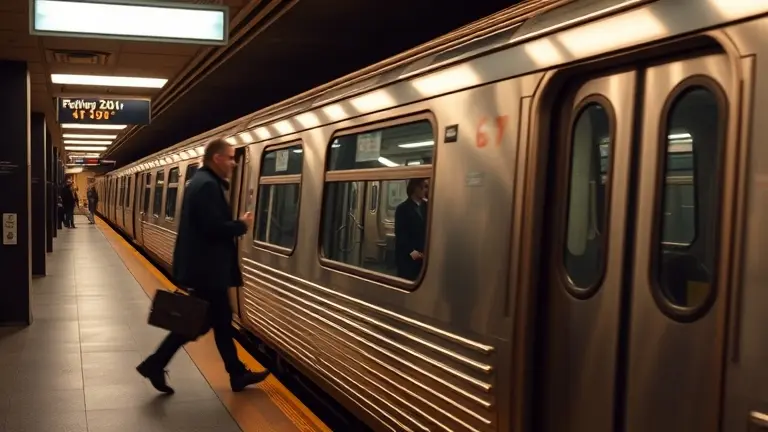
The acronym “MTA” has recently ignited a storm of search activity across the United States, but for very different reasons depending on who you ask. Whether you are a daily New York City commuter tracking the future of the Second Avenue Subway or an investor closely monitoring the technical signals of Metalla Royalty & Streaming, the term has become a focal point of news and analysis this week. Navigating this surge requires a clear understanding of the distinct narratives shaping the current discourse.
At the center of this trend is the New York Metropolitan Transportation Authority, which has returned to the headlines following a high-stakes resolution regarding federal funding for critical transit expansion. Meanwhile, the viral energy of the city’s #BABRITISHACCENTCONTEST is showcasing a more playful, human-centric side of urban transit. Simultaneously, the financial markets are buzzing as ticker symbol “MTA” signals potential momentum for savvy investors.
In this comprehensive guide, we bridge these worlds, providing an essential update on infrastructure policy, the latest transit trends, and the financial reality of the “MTA” ticker. Just as the city’s backbone depends on precision engineering to keep millions moving, understanding these complex dynamics requires a focus on detail and a commitment to getting the facts right. Read on to master the current MTA news cycle and discover how to apply that same level of precision to your own life.
Understanding the Current ‘MTA’ News Cycle: Transit vs. Finance
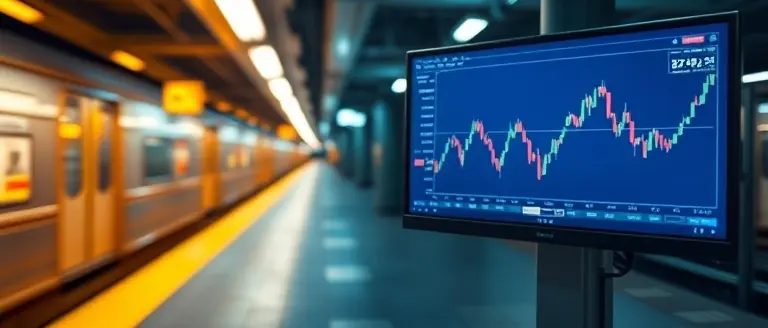
If you have noticed a sudden surge in search traffic or headlines regarding “MTA,” you are likely witnessing a collision of two distinct worlds. In the current news cycle, the term is simultaneously dominating discussions in urban infrastructure policy and the financial markets. Understanding this split is essential for navigating the current trend, as the New York Metropolitan Transportation Authority (MTA) and the publicly traded company Metalla Royalty & Streaming (NYSE: MTA) occupy completely different sectors of the economy.
Transit Agency Updates: Policy and Infrastructure
The New York City-based transit agency is currently the subject of intense media scrutiny following a high-stakes resolution regarding the Second Avenue Subway extension. After a legal dispute concerning federal funding and DEI initiatives, the Trump administration has agreed to resume financial backing for this critical expansion. Beyond policy, the agency is making operational headlines, including:
- Ridership Recovery: New data from the Office of the New York State Comptroller indicates that weekend transit usage is rebounding at a faster rate than traditional weekday commuting.
- Technological Upgrades: Ongoing modernization efforts for subway power substations continue to improve system reliability.
- Fleet Expansion: The agency recently celebrated the milestone delivery of the 1000th Prevost coach, marking a significant investment in regional transit comfort.
- Community Engagement: NYC commuters are currently participating in the viral #BABRITISHACCENTCONTEST, a collaborative promotional event with British Airways hosted on wrapped subway trains.
Financial Markets: Metalla Royalty & Streaming
Simultaneously, investors tracking the NYSE are seeing the ticker symbol MTA climb on financial news feeds. This refers to Metalla Royalty & Streaming, a precious metals company. Recent interest is driven by positive technical indicators, specifically the RSI-Trend Sight signal, which has triggered interest among traders looking for momentum in the royalty and streaming sector.
To avoid confusion, remember that public transit news will always refer to the regional authority in New York, while financial charts and tickers identifying as MTA pertain strictly to the mining finance sector. By distinguishing between these two entities, you can better filter the noise and extract the information most relevant to your interests, whether you are checking your morning commute or your investment portfolio.
Second Avenue Subway Funding: What the Trump Administration’s Decision Means
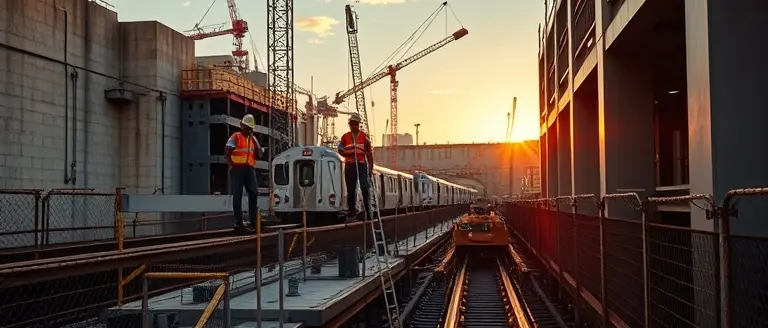
The recent resolution between the federal government and New York officials marks a pivotal moment for the Metropolitan Transportation Authority (MTA) and the future of urban infrastructure. Following a high-stakes legal standoff regarding the withholding of federal grants linked to Diversity, Equity, and Inclusion (DEI) initiatives, the Trump administration has officially agreed to resume funding for the Second Avenue Subway extension. This decision effectively removes a significant barrier to one of the most critical transit projects in the United States, ensuring that the expansion plans—intended to alleviate congestion and improve connectivity across Manhattan—can move forward without further federal obstruction.
Implications for Infrastructure and Transit Reliability
The reinstatement of these funds provides much-needed financial stability for the MTA’s capital program. For daily commuters, this breakthrough signifies that the long-promised expansion will remain on schedule, preventing potential project delays that often lead to ballooning costs and extended construction timelines. By securing this federal support, the agency can now focus on:
- Accelerating construction milestones for the Second Avenue line expansion.
- Modernizing critical infrastructure, including the ongoing technological upgrades to subway power substations that ensure system-wide efficiency.
- Mitigating financial volatility associated with large-scale transit projects that rely heavily on federal-local funding partnerships.
Addressing the DEI Lawsuit and Future Policy
The legal dispute, which centered on federal attempts to leverage infrastructure funding against specific social policy mandates, serves as a case study in the complex relationship between regional transit authorities and Washington. While the lawsuit has been resolved for the purpose of the Second Avenue project, it highlights a broader shift in how federal funds are conditioned. The MTA now faces a landscape where project execution must be balanced against evolving federal oversight. Ultimately, this resolution is a win for New Yorkers, providing the necessary fiscal certainty to sustain one of the world’s most vital transit networks while reinforcing the necessity of infrastructure projects that transcend political friction.
Beyond Infrastructure: Ridership Recovery and Technological Upgrades
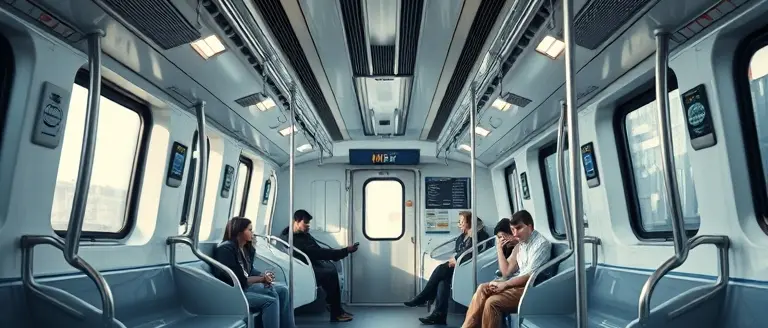
While large-scale expansion projects often dominate headlines, the operational core of the New York Metropolitan Transportation Authority (MTA) is undergoing a significant transformation. Recent data from the Office of the New York State Comptroller highlights a compelling trend: weekend ridership recovery is currently outpacing the traditional weekday commuter patterns. This shift suggests that the transit system is increasingly becoming a primary vehicle for leisure and tourism in the post-pandemic era, requiring the agency to rethink service frequency and scheduling to accommodate a more dynamic, non-9-to-5 demographic.
Modernizing the Backbone of the Subway
To sustain this increased usage, the MTA is aggressively pursuing technological upgrades aimed at long-term service reliability. Central to this strategy is the comprehensive overhaul of subway power substations. By replacing aging electrical infrastructure, the agency is working to reduce track-related delays caused by power failures, ensuring that the system can support modern, more energy-efficient rolling stock. These upgrades are critical for maintaining the operational capacity required to meet the demands of both consistent weekday commuters and the growing influx of weekend travelers.
Fleet Expansion and Service Reliability
The commitment to service quality is further evidenced by recent fleet milestones, which support the MTA’s broader goal of maintaining a modern and reliable transportation network. Key operational highlights include:
- Milestone Delivery: The successful delivery of the 1000th Prevost coach marks a significant achievement in fleet modernization, providing riders with safer and more comfortable travel options.
- Infrastructure Investment: Ongoing investments in electrical substations serve as a foundational step toward digitizing and hardening the system against environmental and mechanical stresses.
- Service Adaptation: Strategic shifts in scheduling are being evaluated to align with the data-driven trend of high-volume weekend transit usage.
By balancing these technical improvements with responsive service planning, the MTA is actively positioning itself to remain the backbone of New York City’s mobility, ensuring that public transit remains a viable and preferred option regardless of the day of the week.
Viral NYC: Participating in the British Airways #BABRITISHACCENTCONTEST

Beyond the headlines of infrastructure funding and transit policy, the New York MTA has recently become the unexpected backdrop for one of the city’s most engaging social media phenomena: the British Airways #BABRITISHACCENTCONTEST. This localized viral trend has transformed ordinary subway commutes into interactive brand experiences. By “wrapping” specific subway cars in iconic British Airways branding, the campaign has turned public transit into a mobile creative studio, encouraging riders to showcase their best—or most humorous—British impressions while traveling across the city.
How to Join the #BABRITISHACCENTCONTEST
For commuters looking to engage with this trend, the process is designed for maximum accessibility and shareability. The contest serves as a lighthearted bridge between the daily grind of the MTA system and the excitement of potential international travel. To participate, follow these simple steps:
- Locate the Wrapped Trains: Keep an eye out for subway cars featuring the distinct British Airways aesthetic. These wrapped units serve as the official “audition booths” for the campaign.
- Record Your Entry: Once onboard, film a short video performing your interpretation of a British accent. The goal is creativity, so enthusiasts are encouraged to lean into classic tropes or regional dialects.
- Tag and Share: Upload your clip to social platforms using the official #BABRITISHACCENTCONTEST hashtag. Ensure your settings are public so the organizers can track entries.
- Monitor Official Channels: Stay updated via British Airways’ social media pages for announcements regarding contest winners and featured highlights from the NYC transit community.
This activation highlights a unique, low-barrier way for the public to interact with the MTA transit environment in a positive, viral capacity. While the agency is often associated with utility and transit logistics, this partnership proves that the subway remains the pulse of New York culture, offering a space where commuters can turn a routine ride into a chance for digital stardom and travel-based rewards.
Building Your Own Future with Professional Precision
Whether it is the massive engineering undertaking of the Second Avenue Subway extension or the meticulous technological upgrades to power substations, the MTA proves that success is built on a foundation of rigorous planning and professional-grade blueprints. Complex systems—and complex projects—do not succeed by chance; they succeed because every detail is mapped out and every structural variable is accounted for before a single brick is laid or a single watt of power is transferred.
Just as the city relies on these exacting blueprints to modernize its transit network, you too can ensure the success of your personal projects by having the right structural plans at your fingertips. Why leave your workshop creations to the frustrations of trial and error? By bringing the same standard of technical mastery to your home projects that engineers apply to urban infrastructure, you can eliminate guesswork and guarantee structural reliability every single time.
Ted’s Woodworking is the ultimate resource for this level of precision, offering a massive library of 16,000 professional-grade, error-tested building plans. By accessing this professional toolkit, you transition from amateur attempts to expert-level craftsmanship, ensuring your DIY endeavors stand the test of time. Don’t build in the dark—use the blueprints that turn vision into reality.

Build your next project with the same level of technical precision—get access to the complete library of 16,000 workshop-tested plans here.
Transform My Projects Today!