
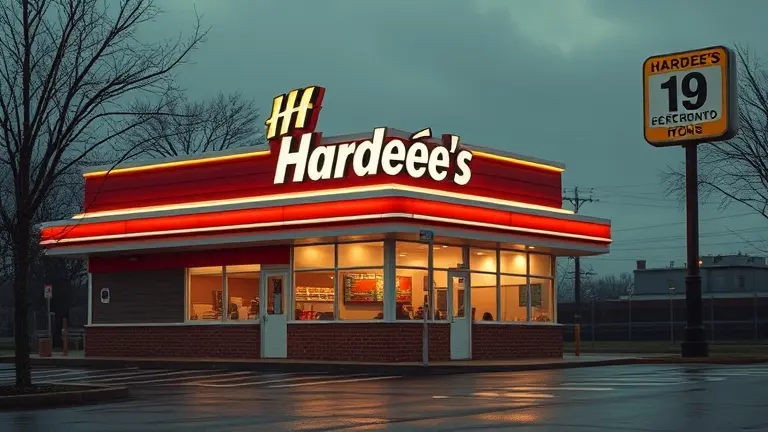
The fast-food landscape is currently gripped by confusion following the Chapter 7 bankruptcy filing of ARC Burger LLC, a major franchisee that operated 77 Hardee’s locations across nine states. For many loyal customers, the sudden shuttering of these restaurants has sparked widespread concern, leading to the erroneous assumption that the Hardee’s brand itself is insolvent. In reality, this liquidation highlights the inherent fragility of the franchise model, where systemic instability at the management level can trigger sudden, localized crises despite the strength of the national brand.
This incident is not an isolated event but a clear symptom of a broader ‘distress cycle’ currently affecting the fast-food sector. As investors and consumers struggle to distinguish between corporate-owned outlets and crumbling franchisee-held stores, the need for clarity and structural stability has never been greater. Understanding this divide is essential for both employees navigating legal recourse and customers seeking reliable dining options. By examining the mechanics of this collapse, we uncover a vital lesson about the risks of relying on complex, unverified systems and the urgent need for dependable, precise blueprints in every aspect of our professional and personal lives.
,slug:
Understanding the ARC Burger LLC Liquidation and Hardee’s Operations
Recent headlines regarding a Hardee’s bankruptcy have caused significant confusion among consumers, but it is critical to clarify that the parent brand itself is not insolvent. The financial distress is isolated to ARC Burger LLC, a major franchisee that officially filed for Chapter 7 bankruptcy in April 2026. This legal move, known as liquidation, forced the immediate closure of 77 restaurant locations across nine states. By filing for Chapter 7 rather than Chapter 11 reorganization, ARC Burger LLC effectively shuttered operations permanently, leaving behind reported debts exceeding $29 million and unsettled obligations to their workforce, including approximately $19,000 in unpaid wages.
Distinguishing Franchisee Distress from Brand Solvency
To understand this situation, one must recognize the distinction between a corporate entity and its franchisees. In the fast-food industry, a franchisor like Hardee’s licenses its brand, recipes, and operational systems to independent business owners who manage individual or multi-unit locations. While the franchisee manages day-to-day overhead—including payroll, rent, and local marketing—the franchisor maintains the global brand identity. The collapse of ARC Burger LLC is a localized failure of a business entity that had, ironically, acquired these same 80 units out of bankruptcy from another operator, Summit Restaurant Holdings, in 2023.
Key Facts About the Closures
- Entity Involved: ARC Burger LLC, an independent operator of Hardee’s franchises.
- Scope of Impact: 77 locations across nine states were shuttered as a result of the liquidation process.
- Legal Status: This is a Chapter 7 liquidation, meaning these specific locations are closing permanently to settle debts, rather than attempting to reorganize for future operation.
- Operational Reach: The Hardee’s brand remains operational, with thousands of other locations unaffected by this specific bankruptcy filing.
This event highlights the broader, systemic instability currently facing the fast-food sector. As high interest rates and increased operational costs pressure margins, many large-scale franchisees are struggling to remain profitable, leading to a ripple effect of closures that often impacts smaller restaurant groups and their employees most severely.
The Anatomy of a Franchise Collapse: Why Large Operators Fail

The recent Chapter 7 bankruptcy filing of ARC Burger LLC serves as a stark case study in the systemic fragility inherent in modern fast-food franchise operations. While the Hardee’s brand remains globally viable, the collapse of a franchisee managing 77 locations highlights a precarious “distress cycle” common among large-scale operators. This instability is rarely the result of a single factor; instead, it stems from the aggressive acquisition of underperforming assets burdened by existing debt. When ARC Burger acquired these 80 restaurants from Summit Restaurant Holdings in 2023, they inherited not just physical storefronts, but a portfolio already struggling with the pressures of the post-pandemic economic landscape.
Structural Pressures on Large Franchisees
The financial decline of large operators is often accelerated by the following macro-economic and operational realities:
- Compounding Debt Loads: Many large franchisees rely on heavy debt financing to expand their footprint. When interest rates rise and top-line revenue fails to keep pace, debt service obligations can quickly consume cash flow, leaving no room for facility maintenance or payroll.
- Labor Market Volatility: Persistent shortages and the rising cost of hourly wages create a margin-squeeze, particularly in regions where traffic volume has not returned to pre-2020 levels. With over $19,000 in reported unpaid wages at the time of the ARC Burger liquidation, the impact on the local workforce is a recurring consequence of corporate insolvency.
- Operational Underperformance: Many large-scale acquisitions involve “distressed assets.” If the operator cannot turn around these sites through operational efficiencies, the combined overhead of dozens of locations can lead to a domino effect, where one struggling unit drags down the entire portfolio.
This model of rapid expansion followed by sudden liquidation demonstrates that even established quick-service restaurant (QSR) brands are not immune to the financial mismanagement of their partners. As major chains like Wendy’s and Hardee’s navigate these closures, the industry is increasingly forced to evaluate whether the mega-franchisee model is sustainable in an era of high operational costs and shifting consumer spending habits. Moving forward, stakeholders should anticipate more rigorous oversight from franchisors to mitigate the reputational damage caused by such large-scale franchisee failures.
Regional Impact and Store Status: Identifying Affected Locations
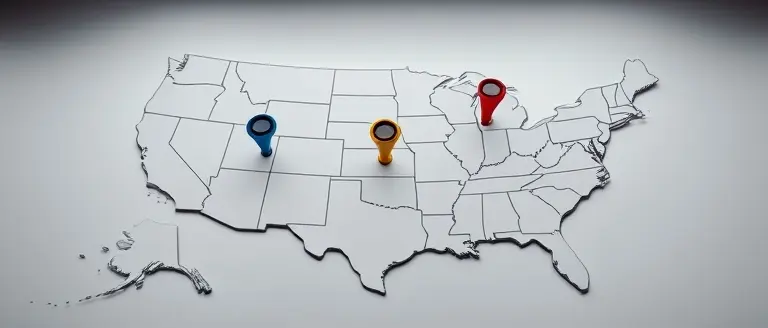
The recent Chapter 7 bankruptcy filing by ARC Burger LLC has sent shockwaves through the fast-food industry, leading to the abrupt closure of 77 Hardee’s locations across nine states. While the parent brand remains stable, the liquidation of this specific franchisee has caused localized disruptions, particularly throughout the Midwest and the South. It is essential for consumers to understand that these closures represent the collapse of a single, albeit large, franchise operator rather than a systemic failure of the Hardee’s brand itself. Most Hardee’s restaurants nationwide continue to operate under independent ownership groups or corporate management and remain unaffected by these legal proceedings.
How to Verify Your Local Hardee’s Status
Because the closures are tied exclusively to assets managed by ARC Burger LLC, many neighboring locations under different ownership remain open for business. To determine if your local restaurant is impacted, utilize the following steps:
- Check the Official Website: The primary Hardee’s store locator is the most reliable tool for real-time status updates. Locations that have ceased operations due to the bankruptcy are being removed from the live directory.
- Look for Signage: In accordance with standard insolvency procedures, affected locations have typically posted closure notices on storefronts or drive-thru menus.
- Verify via Social Media: Many local franchise groups use regional Facebook pages to communicate operational status. If a store’s page is inactive or lists “permanently closed,” it is likely part of the recent liquidation.
- Contact Customer Support: If you have concerns regarding gift cards or franchise-specific promotions, reach out to the corporate customer service line, which can provide information on whether your specific location was part of the ARC Burger LLC portfolio.
The geographic footprint of the ARC Burger liquidation covers a broad, multi-state region, but it represents only a fraction of the total Hardee’s network. By understanding the distinction between the franchisor and independent franchisees, customers can avoid confusion and continue to support the thousands of other locations that remain operational during this period of market adjustment.
Resources for Employees and Customers Affected by Closures

The sudden Chapter 7 bankruptcy filing by ARC Burger LLC has left hundreds of employees in financial limbo and created significant uncertainty for loyal patrons. Because this filing represents a total liquidation of assets rather than a restructuring, the closure of these 77 units is permanent. For affected staff members who are reportedly owed thousands in unpaid wages, immediate action is necessary to secure potential compensation.
Guidance for Displaced Employees
If you were employed at one of the shuttered Hardee’s locations, you are considered a creditor in the bankruptcy proceedings. While the process is complex, you can take specific steps to protect your rights:
- File a Proof of Claim: Employees should monitor the court filings for ARC Burger LLC to obtain the necessary forms to file a “proof of claim” for unpaid wages and benefits.
- Document Everything: Gather all pay stubs, W-2s, and records of hours worked that remain unpaid. This documentation is essential for asserting your priority status under the bankruptcy code.
- Contact the Department of Labor: In cases where wages are withheld, filing a claim with your state’s Department of Labor can provide an additional layer of oversight and potential recourse.
- Seek Legal Counsel: Given that the entity has over $29 million in liabilities, consider consulting with an attorney specializing in labor law or bankruptcy to ensure your claim is properly prioritized against other creditors.
Guidance for Customers
If you are uncertain about the status of your local restaurant, do not rely on third-party map applications, which may not update in real-time. The most reliable way to confirm if a location is operational is to use the official Hardee’s store locator on their corporate website. Because the bankruptcy is limited to a specific franchisee, the vast majority of the brand’s national footprint remains unaffected and open for business. If a location appears as “temporarily closed” or is missing from the official digital directory, it is likely part of the group impacted by the recent liquidation.
Restoring Order in an Era of Uncertainty
The collapse of ARC Burger LLC serves as a stark reminder that even large-scale, seemingly established operations are only as stable as their foundational management. When the structural blueprints of a business are flawed or mismanaged, the consequences for employees and consumers are immediate and painful. This volatility in the franchise market underscores a growing truth: relying on massive, opaque, and often unstable systems leaves you vulnerable to the failures of others.
True security is rarely found in the hands of faceless corporate entities. Instead, it is built through personal precision and verified, actionable plans. Just as these fast-food empires crumble when their strategic frameworks fail, your own personal and professional projects thrive only when built on a foundation of absolute technical certainty. You don’t need to be a victim of the next systemic collapse; you can choose to move away from guesswork and embrace reliable, workshop-tested models that guarantee results every single time.
This is why choosing proven, precise blueprints is the ultimate safeguard against the chaos of today’s market. By replacing uncertainty with professional-grade, error-proof plans, you gain the control that the modern economy often strips away. It is time to stop gambling on unstable systems and start building your own success with the rigor that guarantees professional results.
 Build your own future on a foundation that doesn’t fail; discover the professional blueprint library that guarantees precision in every project.Secure My Foundation Now!