
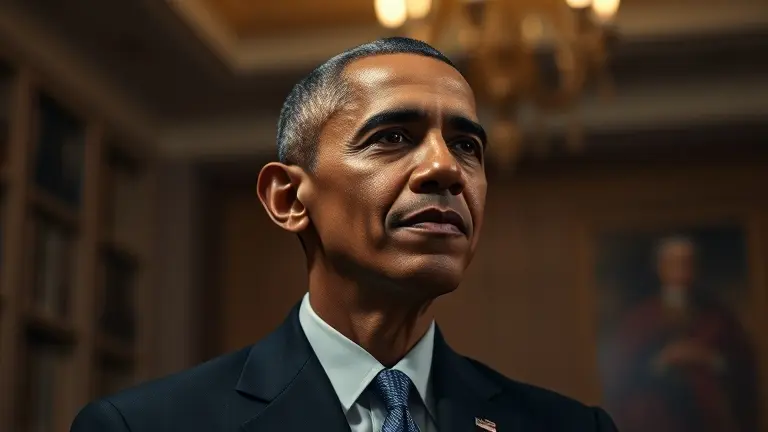
In an era defined by rapid digital transformation and complex global shifts, Barack Obama continues to occupy a unique space in the American consciousness. Recently, his presence has moved beyond the traditional political sphere, manifesting as both a stabilizing force for national reflection and a savvy architect of the modern media landscape. As the nation prepares for its 250th anniversary, the former president’s ability to pivot between high-level civic discourse and independent creative strategy offers a masterclass in modern influence.
This dual evolution—as a senior statesman shaping historical narratives and a business strategist steering Higher Ground Productions toward independence—signals a critical shift in how we perceive leadership today. It is no longer just about the position held, but the cognitive agility required to navigate a multifaceted cultural environment. For those observing this transition, it is clear that intellectual foresight is the new currency of the high-achiever.
Understanding this evolution requires a deep dive into both the public-facing optimism of our leaders and the strategic business decisions happening behind the scenes. In this analysis, we explore how Obama balances the weight of history with the demands of the future, providing a roadmap for anyone looking to optimize their own intellectual impact in an increasingly crowded media world.
A Historic Union: Four Presidents Reflect on America’s Sestercentennial
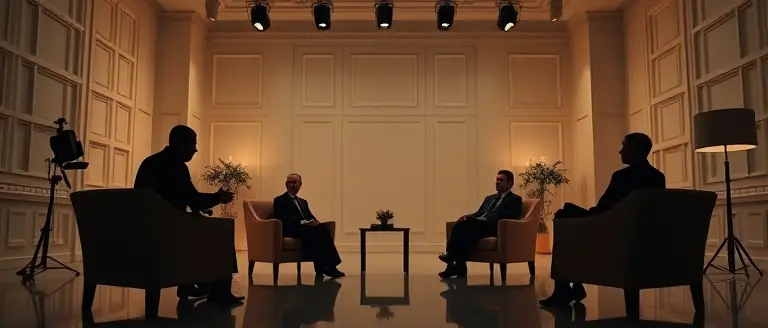
In an unprecedented display of national unity, former Presidents George W. Bush, Bill Clinton, Barack Obama, and current President Joe Biden converged for a landmark interview on the TODAY show, hosted by Jenna Bush Hager. This rare gathering of four presidential administrations serves as a powerful centerpiece for the lead-up to the United States’ 250th anniversary, or sestercentennial, scheduled for July 2026. The discussion, aired on April 21, 2026, transcended typical partisan boundaries, focusing instead on the enduring resilience of the American experiment. By positioning themselves as stewards of the country’s collective history, these leaders offered a message of optimism designed to resonate with a public often divided by the complexities of modern political discourse.
Themes of Resilience and Continuity
The dialogue between the four men emphasized that the strength of the nation lies in its ability to adapt and persevere through centuries of evolution. Obama and his counterparts leveraged their distinct experiences to provide a layered perspective on what the 250th anniversary signifies for modern citizens. Key takeaways from the historic segment included:
- Institutional Stewardship: A shared recognition that each administration serves as a temporary custodian of a long-term democratic project.
- Optimism as a Policy Tool: The leaders argued that maintaining a positive, forward-looking vision is essential for national health, especially as the country approaches its semiquincentennial milestone.
- Intergenerational Responsibility: A call to action for the current generation to honor the legacy of the past while actively building the foundation for the next quarter-millennium.
This joint appearance highlights the evolving role of the Obama legacy, shifting from active policymaking to the stature of a senior statesman. By appearing alongside both predecessors and successors, Barack Obama reinforced his commitment to institutional stability, a theme that has increasingly defined his public life since leaving office. This historic alignment signals a clear intent to prioritize national identity over political maneuvering, providing a symbolic bridge that connects the achievements of the 20th century to the uncertainties of the future. As the nation prepares for its major July celebrations, the influence of these four figures serves as a stabilizing reminder of the executive branch’s role in fostering continuity.
The Evolution of Presidential Influence: From the Oval Office to the Cultural Sphere

The traditional post-presidency model, once defined by quiet diplomacy and the occasional memoir, has undergone a radical transformation. Barack Obama stands at the forefront of this evolution, effectively pivoting from the legislative constraints of the Oval Office to the expansive reach of global media. By leveraging platforms like Higher Ground Productions, Obama has demonstrated that soft power—the ability to shape public discourse through culture, storytelling, and digital engagement—can be just as influential as direct political involvement. This shift allows former leaders to maintain relevance while fostering long-term conversations about national identity and democratic values.
The Strategic Pivot to Independent Media
Evidence suggests that the decision for Higher Ground Productions to transition to an independent model following the expiration of its Netflix deal is a calculated strategic move. By moving away from a restricted first-look pact, the company gains the agility to distribute content across multiple platforms, maximizing the impact of its narrative-driven projects. This transition mirrors a broader trend where Obama and other modern figures prioritize brand autonomy over corporate integration.
The advantages of this cultural shift include:
- Message Control: Independent entities provide total creative authority over the themes of optimism and civic reflection, particularly relevant during milestones like the United States’ 250th anniversary.
- Expanded Reach: Engaging through documentaries and podcasts allows these leaders to connect with demographic segments that are often disengaged from traditional political news cycles.
- Legacy Management: By curating historical and social content, the former president shapes his own narrative, ensuring his policy insights remain accessible and relevant to future generations.
This “Senior Statesman” approach signifies a new gold standard for post-presidential activity. Rather than fading from the spotlight, leaders are increasingly utilizing the entertainment industry to act as curators of the American experience, bridging the gap between historical legacy and future progress.
Beyond the Stream: Why Higher Ground Productions is Choosing Independence

As Barack Obama and former First Lady Michelle Obama prepare to transition Higher Ground Productions to an independent model following the conclusion of their first-look deal with Netflix, the move signals a calculated evolution in their post-presidential careers. Industry reports confirm that the production house is shifting away from exclusive corporate tethering, a strategic pivot that reflects broader trends among high-profile creators who prioritize long-term asset control over short-term platform exclusivity. By moving to an independent structure, the company is positioning itself to curate a more diverse slate of content that is not constrained by the programming mandates of a single streaming giant.
Strategic Advantages of the Independent Model
The decision to operate independently offers several distinct advantages for the Obama-led studio:
- Intellectual Property (IP) Ownership: By moving away from a first-look agreement, Higher Ground gains full control over its creative catalog. Retaining rights allows the production company to maximize value through secondary distribution and international syndication, rather than having their work siloed exclusively on one platform.
- Distribution Flexibility: An independent model enables the studio to partner with various distributors, including theatrical releases, linear television, and competing streamers. This agility ensures that specific stories find their most effective audience rather than being forced into a one-size-fits-all streaming algorithm.
- Creative Autonomy: Freedom from an exclusive deal allows the Obamas to pursue niche or experimental projects that might not meet the high-volume output requirements of a traditional streaming partner, fostering deeper engagement with their target demographics.
Ultimately, this transition underscores a sophisticated media strategy. By operating as an independent entity, Higher Ground can leverage the prestige associated with the Obama brand while maintaining the agility of a boutique studio. This shift allows them to scale their influence as cultural producers, ensuring that their vision for storytelling—rooted in the same sense of optimism they advocate for on the national stage—reaches the widest possible audience across the evolving digital landscape.
A Timeline of Vision: Comparing Presidential Narratives for 2026

In a rare and historic gathering hosted by Jenna Bush Hager for the TODAY show, Barack Obama, Joe Biden, George W. Bush, and Bill Clinton converged to reflect on the American trajectory as the nation approaches its 250th anniversary. This joint appearance offers a unique window into how these four leaders synthesize their past political experiences with their current outlook on the country’s future. By analyzing their contributions, we can categorize their collective vision into three thematic pillars that define the modern American experience: unity, democratic resilience, and the role of technological innovation in shaping a new century.
Thematic Pillars of the 250th Anniversary
The discourse provided by the four leaders emphasizes that while their specific policy backgrounds differ, their core message for 2026 remains remarkably consistent regarding the endurance of American institutions.
- Unity and the Civic Fabric: Across the board, there is a clear consensus that the strength of the United States lies in its ability to reconcile internal divides. Barack Obama and his contemporaries highlight that the “American experiment” is a continuous process of evolution rather than a static historical achievement.
- Democratic Resilience: The former presidents underscored that 250 years is merely a milestone, not an endpoint. They framed the upcoming celebration as a moment for citizens to recommit to the foundational values that sustain the republic through periods of intense partisan volatility.
- Technological Innovation: A notable thread among the group is the pivot toward the future. Each leader acknowledges that the next quarter-century will be defined by the U.S. capacity to adapt to rapid technological shifts while maintaining the ethical standards necessary for a functional society.
By examining the rhetoric of Obama and the other speakers, it becomes clear that their collective narrative is one of optimistic pragmatism. Rather than ignoring the complexities of the 21st century, they advocate for a vision where the history of the presidency serves as a blueprint for the country’s next chapter. This “timeline of vision” suggests that while the political landscape has changed, the underlying mandate for leadership—fostering hope and institutional continuity—remains the primary goal for those who have held the highest office in the land.
Mastering the Mindset of Modern Leadership
As we have explored, the transition of figures like Barack Obama from the Oval Office to the cultural and independent business arena is defined by a commitment to strategic, long-term vision. This evolution requires more than just political expertise; it demands a high level of sustained intellectual clarity and focus to navigate the complexities of today’s, and tomorrow’s, global landscape.
Just as leaders like Obama transition into roles requiring immense strategic foresight, high-achievers today must optimize their own cognitive performance to thrive in an increasingly complex media environment. Whether you are analyzing political shifts or building your own brand, the need for deep work and mental acuity has never been greater. This is where The Brain Song becomes an indispensable tool for the modern intellectual.
By helping to mitigate mental fog and enhance your natural learning capacity, The Brain Song provides the focus necessary to process complex information and make superior strategic decisions. Integrating this into your daily routine is the natural, non-intrusive way to ensure you maintain the mental edge needed to stay ahead of the curve, much like the visionary leaders we study today.

Optimize your cognitive edge and sharpen your focus—discover how The Brain Song can help you master the mental clarity needed for complex strategic thinking.
Claim My Success