
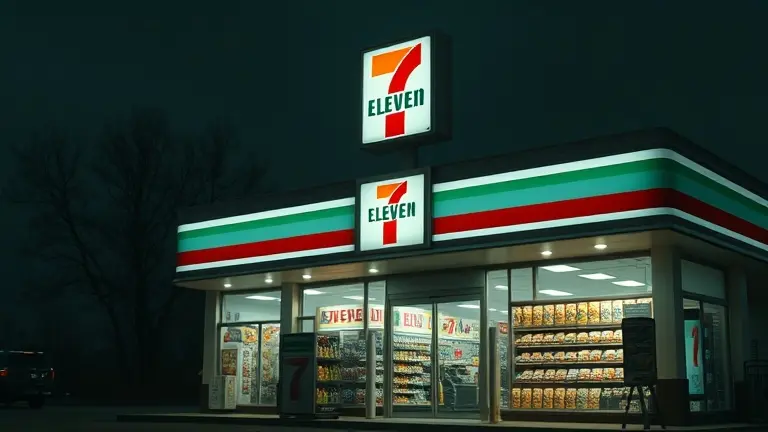
The retail landscape is undergoing a tectonic shift, and 7-Eleven—the quintessential symbol of the American corner store—is at the epicenter of the change. As of April 2026, the company has sent shockwaves through the industry by announcing a massive restructuring plan that includes the closure of 645 underperforming North American locations. This is not just a routine contraction; it is a fundamental pivot away from the traditional model that defined convenience for nearly a century.
For decades, the brand thrived on the simple formula of high-traffic, small-footprint stores offering shelf-stable goods and quick snacks. Now, that era is being dismantled to make way for a bold, “full-service” food retail vision. By opening 205 larger, modern locations that emphasize fresh, culinary-inspired options, 7-Eleven is attempting to trade its “quick-grab” identity for a seat at the table with the fast-casual giants.
While corporate leadership frames this as a necessary evolution, the broader implications—ranging from the impact on local food deserts to the changing expectations of the modern consumer—are just beginning to surface. As these retail landscapes disappear and transform, we find ourselves asking: What does the future of convenience actually look like for the communities that rely on it, and how should we be evolving our own habits to meet this new, high-demand standard of health and energy?
The 2026 Strategic Pivot: Understanding the 7-Eleven Store Closures
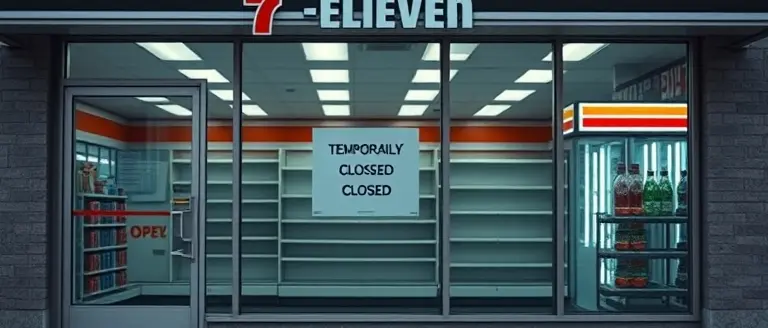
In a definitive move to redefine the modern retail landscape, 7-Eleven announced a massive corporate restructuring plan on April 20, 2026. This initiative involves the permanent shuttering of 645 underperforming locations throughout North America within the 2026 fiscal year. While these closures have sparked concern among local communities, the company views this as a vital corrective measure. By shedding legacy sites that no longer meet modern profitability standards or high-traffic requirements, the brand aims to consolidate its capital toward a more sustainable, high-growth trajectory. This strategy represents a significant shift in the convenience store sector, moving away from the traditional, smaller-footprint model that has defined the chain for decades.
A Shift Toward ‘Full-Service’ Food Retail
The corporate strategy—internally characterized as a “makeover shifting from roller hot dogs to full-service food”—is supported by the planned opening of 205 new, larger locations throughout the remainder of the year. Unlike the traditional model, these new sites are designed to compete directly with fast-casual restaurants, offering expanded hot food menus, fresh produce, and seating areas. The math behind the move is clear:
- Net Reduction: A total footprint reduction of 440 stores, signaling a pivot toward quality over quantity.
- Geographical Impact: Closures are concentrated on aging, smaller stores that cannot accommodate the new, expansive culinary infrastructure.
- Strategic Intent: Transitioning the brand identity from a quick-stop gas station companion to a destination for daily, quality-focused food retail.
This, however, raises questions regarding the “convenience gap” in certain regions. As 7-Eleven pivots toward larger, suburban-friendly models, the impact on urban areas—some of which may already function as food deserts—remains a critical point of analysis. Investors and industry experts alike are watching to see if this pivot to a “full-service” model can successfully attract the higher-spending consumer demographic the company is clearly targeting, or if the loss of smaller, hyper-local outlets will alienate the brand’s original core customer base.
Visualizing the Evolution: Old-School Convenience vs. Modern Food Retail
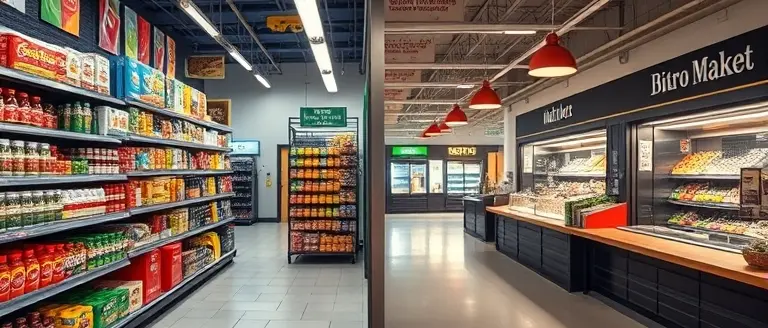
The strategic pivot announced by 7-Eleven in April 2026 marks a definitive departure from the “quick-grab” retail model that defined the brand for decades. As the company prepares to shutter 645 underperforming locations, the transition toward 205 larger, food-focused stores represents a radical reimagining of the convenience landscape. Historically, the brand relied on high-margin, shelf-stable goods, tobacco, and iconic roller grill items to sustain profitability. However, shifting consumer habits—prioritizing fresh, health-conscious, and made-to-order meal options—have rendered the traditional, small-footprint store increasingly obsolete in today’s competitive retail environment.
From Impulse Buys to Destination Dining
The new “full-service” prototype signifies an attempt to capture the “fast-casual” market share, directly challenging quick-service restaurants. Evidence suggests that by expanding floor space, the corporation intends to pivot its inventory priority from packaged snacks toward high-velocity fresh food items. This transition moves the customer experience away from the transactional nature of a corner store and toward the utility of a neighborhood market.
Key differentiators between the legacy model and the 2026 expansion include:
- Inventory Composition: A reduction in tobacco and static shelf space to make room for cold-pressed juices, fresh salads, and hot, chef-inspired meals.
- Store Footprint: Larger, open-layout interiors designed to facilitate longer dwell times compared to the traditional “in-and-out” convenience rush.
- Operational Focus: A shift from simple retail management to high-complexity food service, requiring enhanced staffing and specialized kitchen infrastructure.
- Revenue Drivers: Moving away from dependency on impulse-purchase volume to consistent, high-frequency meal consumption as the primary growth engine.
This transition is not merely cosmetic; it is a fundamental reconfiguration of the 7-Eleven business model to survive in a post-convenience era where customers increasingly demand grocery-quality food on the go. By prioritizing quality over quantity, the company hopes to secure a more sustainable foothold in the evolving North American retail sector.
Local Impacts: Communities Adjusting to the Loss of Neighborhood Anchors
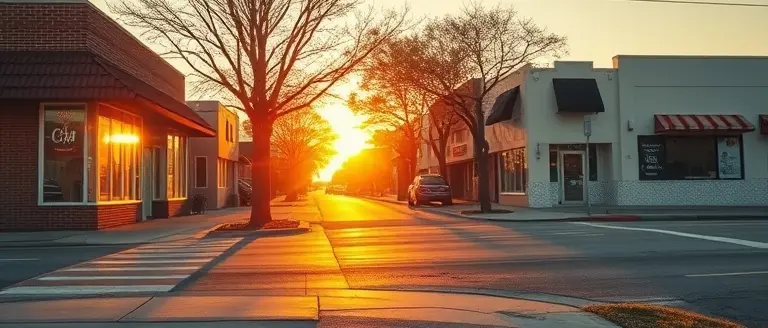
The announcement of 7-Eleven closures in 2026 creates a palpable void in neighborhoods where the brand has long served as a vital, round-the-clock anchor. While corporate leadership views the shuttering of 645 underperforming locations as a necessary financial optimization, the reality on the ground is far more complex. For many residents, these stores represent more than just a place to grab a beverage; they are often the most accessible point of light in transit-heavy corridors or areas where late-night retail options are otherwise nonexistent. As the company pivots toward a high-end, “full-service” food retail model, the loss of these smaller outlets threatens to disrupt the daily routines of workers, night-shift employees, and residents who rely on the brand for essential grab-and-go accessibility.
The Human Element: When Convenience Disappears
The transition from a neighborhood staple to a larger, food-focused destination raises significant questions regarding accessibility, particularly for communities currently classified as food deserts. When a local 7-Eleven closes, the impact often ripples through the local economy:
- Diminished Access: Residents without personal vehicles lose a walkable option for basic sustenance, forcing longer commutes for simple necessities.
- Service Gaps: 24/7 locations provide a unique layer of safety and utility in urban environments; their removal may diminish foot traffic and decrease the perceived security of quiet intersections.
- Community Disruption: Frequent patrons, including delivery drivers and students, are finding their reliable “pit stops” suddenly vacant, leading to a loss of the communal routine that characterized the brand for decades.
While the strategic shift aims to modernize the customer experience, evidence suggests that the consolidation plan creates a disparity between corporate profitability and public convenience. By swapping small-format stores for fewer, larger food centers, the brand is arguably prioritizing long-term growth over its historical role as a localized, omnipresent service provider. Communities are now left to navigate the consequences of this strategic pivot, weighing the promise of high-quality dining against the immediate, tangible loss of convenient, neighborhood-level access.
The Future of Convenience: Market Trends Beyond 7-Eleven
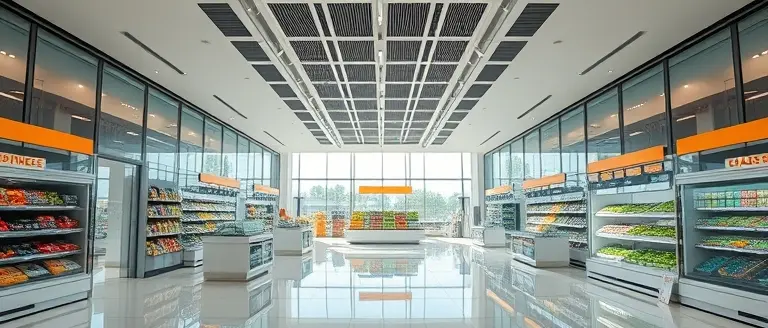
The strategic restructuring at 7-Eleven—characterized by the shuttering of 645 underperforming sites in favor of larger, food-centric locations—is not an isolated incident but a microcosm of a broader, aggressive shift within the US convenience retail landscape. As consumer habits pivot toward high-quality, on-the-go meals, the traditional “grab-and-go” model defined by roller hot dogs and shelf-stable snacks is losing ground to the fresh-first retail paradigm. Retailers across the country are realizing that to survive in an era of rapid grocery delivery and fast-casual saturation, they must transition from simple utility stops into genuine culinary destinations.
Can ‘Full-Service’ Outpace Fast-Casual?
Industry analysts suggest that the “full-service” evolution is a necessary response to the narrowing margin between convenience stores and fast-casual dining. By expanding store footprints, 7-Eleven and its competitors are attempting to capture the lunch and dinner crowd that currently opts for brands like Chipotle or Panera. Whether this model succeeds depends largely on three key factors:
- Supply Chain Integration: Maintaining the freshness of proprietary meals requires significantly more complex logistics than managing a warehouse of canned goods.
- Customer Perception: Chains must overcome the long-standing stigma that convenience store food is merely a secondary, low-quality option.
- The Food Desert Factor: As stores consolidate into fewer, larger “experience hubs,” there is growing concern regarding the loss of basic retail access in vulnerable urban and rural communities.
The ultimate test for 7-Eleven will be its ability to leverage its massive, existing real estate footprint while reinventing the in-store experience. If the brand can successfully transition into a hybrid retailer—functioning as a hybrid of a grocery store and a quick-service restaurant—it may set the blueprint for the next decade of American retail. However, failure to bridge this gap could invite further market share erosion from digital-native competitors and highly agile, modern convenience operators.
As the retail landscape shifts away from the era of processed convenience and toward a model that prioritizes quality, it is clear that our own health should follow suit. The 7-Eleven restructuring is a loud signal that the old, low-quality standards of the past are being phased out in favor of something more intentional. Yet, many of us are still carrying the metabolic weight of those “roller-grill” years. It is time to stop viewing our personal energy as a background cost and start treating it as a priority that demands a clean slate.
While the market tries to catch up with our growing need for better nutrition, you don’t have to wait for a store remodel to transform your wellbeing. CitrusBurn is the metabolic reset tool designed for the modern individual who is ready to move past the sluggishness of processed food habits. By focusing on the reactivation of your natural metabolic processes, this formula acts as the perfect catalyst to bridge the gap between yesterday’s convenience-store lifestyle and your future of vibrant, sustainable health.
You have the power to break the cycle of energy crashes and nutritional stagnation. CitrusBurn offers a science-backed approach to help you reclaim your natural fat-burning capacity and steady your energy levels, no matter how busy your day becomes. Don’t let the legacy of unhealthy convenience hold your biology hostage any longer.
 Ready to move past the era of convenience store crashes? Discover how to reset your natural fat-burning process and reclaim your energy here. Transform My Life Today