

Earth Day 2026 arrives this Wednesday, April 22, marking 56 years of a movement that has transformed from local environmental activism into a cornerstone of global consciousness. As we stand in April 2026, the intersection of Earth Week and complex scientific breakthroughs—from the mysteries of the Earth’s lithosphere to the urgent geopolitical scramble for rare earth minerals—demands a new, more rigorous perspective. This is not just a time for superficial slogans; it is a moment to critically evaluate our relationship with the planet.
This year’s theme, “Our Power, Our Planet,” forces us to move beyond passive observation. Whether it is translating satellite data from the NASA Earth Observatory or questioning the supply chains that fuel our high-tech devices, the mandate for modern stewardship is clear: we must replace generalized awareness with actionable, tangible solutions. The path forward requires a blend of hard-headed geopolitical insight and individual responsibility, ensuring that every choice we make—right down to how we manage our homes—aligns with the health of the Earth.
In the following sections, we will bridge the gap between abstract scientific discourse and practical, life-changing action. By understanding the deep-rooted mechanics of our planet and the critical resources that sustain our technology, you will gain the clarity needed to contribute to a truly sustainable future. It is time to move from “saving the Earth” in theory to building a sustainable life in practice.
Earth Day 2026: Reflecting on 56 Years of Environmental Advocacy

As the world observes the 56th anniversary of Earth Day this Wednesday, April 22, 2026, the movement finds itself at a critical juncture. Since its inception in 1970, this annual event has evolved from a grassroots call for conservation into a sophisticated global dialogue on planetary survival. This year, the focus shifts to the official theme, \”Our Power, Our Planet,\” which emphasizes the urgent transition toward renewable energy and the democratization of clean electricity. This theme serves as both a celebration of our history and a pragmatic acknowledgment that the next phase of environmental stewardship requires systemic changes to our power grids and infrastructure.
The Shift Toward Actionable Sustainability
The 2026 iteration moves beyond traditional awareness campaigns, focusing instead on high-stakes advocacy. Current climate discourse is increasingly driven by a blend of public passion and hard data, necessitating a more rigorous approach to sustainability. Key focus areas for this year’s Earth Week include:
- Renewable Energy Integration: Exploring how households and industries can transition away from fossil fuels to meet the \”Our Power, Our Planet\” directive.
- Scientific Transparency: Bridging the gap between groundbreaking research—such as recent studies on the Earth’s lithosphere—and the general public to foster a deeper understanding of our planet’s physical complexities.
- Geopolitical Awareness: Recognizing the nexus between environmental advocacy and the rare earth mineral supply chain, a factor often overlooked in lifestyle-focused environmentalism.
The anniversary serves as a reminder that safeguarding the Earth requires more than symbolic gestures; it demands a critical examination of global resource management. By linking the emotional drive of environmentalism with the analytical data emerging from organizations like the NASA Earth Observatory and recent climate drought reports, stakeholders can transition from passive observation to meaningful, science-backed action. As we mark over half a century of advocacy, the mandate for 2026 is clear: align our global energy consumption with the limits of our natural world.
The Science of Our Home: New Research on the Earth’s Lithosphere
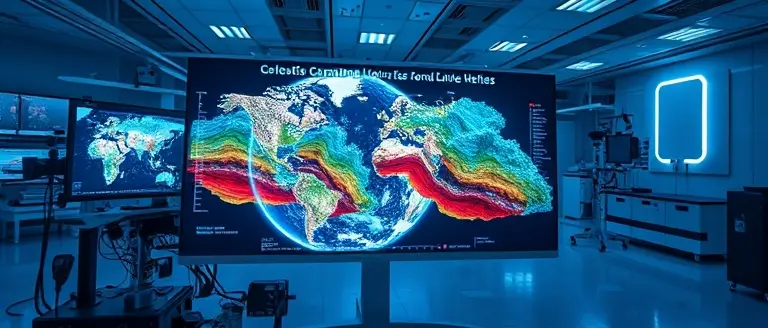
Understanding the Earth requires looking far beneath our feet, where recent geophysical breakthroughs are reshaping our comprehension of the planet’s structural integrity. A pivotal study published in April 2026 has identified previously unknown layers of partially melted rock situated at the base of the lithosphere. This discovery provides critical insights into how tectonic plates interact and shift, offering a more granular view of the dynamic processes that sustain the planet’s surface environment. By analyzing these deep-seated thermal anomalies, researchers are better equipped to model the long-term stability of the crust, which has direct implications for our understanding of seismic activity and geothermal heat distribution.
Integrating Geophysical Data with Climate Monitoring
Beyond the geological composition of the crust, the synergy between ground-level research and satellite-based observations—such as those continuously monitored by the NASA Earth Observatory—is vital for tracking rapid environmental changes. This high-resolution data is now being cross-referenced with studies on global drought extremes, such as those highlighted in the latest Nature Reviews Earth & Environment report. These reports provide a sobering look at how localized climate patterns are evolving, bridging the gap between abstract academic research and the tangible reality of a changing climate.
Key focus areas currently driving this scientific narrative include:
- Lithospheric Dynamics: Exploring how partially molten rock at the base of the lithosphere influences surface crustal movement and potential geological hazards.
- Climate-Geology Feedback: Understanding how shifting drought patterns and water scarcity correlate with the long-term physical monitoring of the planet’s terrestrial surface.
- Predictive Modeling: Utilizing satellite imaging to provide early-warning data that connects deep-earth processes to surface environmental resilience, particularly as we approach the 56th anniversary of Earth Day.
By grounding environmental advocacy in these rigorous, data-driven discoveries, the global scientific community is providing the necessary context for the \”Our Power, Our Planet\” initiative, ensuring that sustainability efforts are informed by the very latest empirical evidence.
Beyond the Surface: The Critical Rare Earth Mineral Supply Chain

As the world gears up for the 56th anniversary of Earth Day, the theme \”Our Power, Our Planet\” highlights a critical paradox in the transition to renewable energy. While the shift toward wind, solar, and electric vehicles (EVs) is essential to combat climate change, it relies heavily on the extraction of rare earth minerals. These elements are the invisible backbone of modern technology, yet their supply chains are characterized by intense geopolitical maneuvering and significant environmental trade-offs that often escape public scrutiny.
The Geopolitics of Resource Dependency
Current data indicates that the global race to secure these minerals has become a cornerstone of international strategy. Reports from mid-April 2026 highlight a significant expansion of China’s footprint in Africa, where the nation is actively securing mining rights to monopolize the supply chains necessary for the high-tech sector. This concentration of control presents a pragmatic challenge for Western nations:
- Supply Vulnerability: Over-reliance on a few geographic regions for essential materials threatens the stability of the global green energy grid.
- Geopolitical Leverage: Control over rare earth elements (REEs) provides strategic power in trade negotiations, complicating the international roadmap to decarbonization.
- Domestic Reshoring: There is increasing pressure for nations to develop local or diversified extraction capabilities to decouple from volatile, foreign-dominated supply networks.
The Environmental Paradox of Green Tech
The \”Save the Earth\” movement often overlooks the localized, localized degradation caused by mining these critical elements. Transitioning to clean electricity requires massive quantities of neodymium, dysprosium, and lithium, the extraction of which frequently results in groundwater contamination, biodiversity loss, and toxic tailings. Evidence suggests that without a circular economy—focused on the recycling and sustainable management of these minerals—the push for a greener Earth may inadvertently accelerate local ecological damage in the global south. Understanding this lifecycle is vital for a truly sustainable approach to our planet’s future, ensuring that the technology used to save the environment does not compromise the health of the very landscapes we aim to protect.
Our Power, Our Planet: Actionable Paths to Sustainability
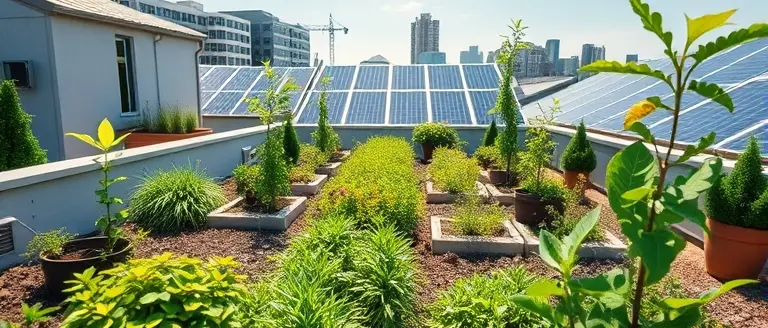
As we commemorate the 56th anniversary of Earth Day, the 2026 theme, \”Our Power, Our Planet,\” shifts the focus from passive awareness to tangible, decentralized action. Achieving meaningful sustainability requires moving beyond superficial gestures to address the systemic transition toward renewable energy and clean electricity. For the average individual, this transition begins at the intersection of home energy management and community-based advocacy. By optimizing domestic power consumption and supporting regional grid initiatives, citizens can directly contribute to the decarbonization of the Earth‘s infrastructure.
Bridging Science and Individual Action
To translate scientific reports, such as the recent findings in Nature Reviews Earth & Environment regarding 2025 drought extremes, into personal impact, consider the following actionable steps:
- Electrification Audits: Prioritize transitioning gas-powered appliances to high-efficiency electric alternatives. This reduces reliance on fossil fuels and positions your home to leverage renewable grid inputs.
- Community Advocacy: Join local municipal boards to push for distributed energy resources (DERs). Engaging in local policy ensures that infrastructure planning prioritizes resilience against climate-driven environmental shifts.
- Data Literacy: Develop the habit of interpreting climate data from the NASA Earth Observatory. Understanding regional trends—such as shifting drought patterns or lithospheric changes—allows for better-informed local land-use and water-management decisions.
- Supply Chain Awareness: Recognize that the transition to green technology relies heavily on rare earth minerals. Advocacy should include a push for ethical sourcing and circular economy policies, ensuring that our \”clean\” future does not perpetuate exploitative geopolitical practices.
True environmental stewardship in 2026 requires an analytical mindset. By scrutinizing how our personal energy choices interact with global supply chains and local environmental health, we fulfill the promise of \”Our Power, Our Planet.\” Move past generic advocacy; prioritize high-impact actions that facilitate a scalable, sustainable, and informed approach to protecting our home.
\”,introducao:
Real sustainability is not just a high-level policy debate or a distant geopolitical goal; it is a discipline that begins within the walls of your own home. As we observe Earth Day 2026, the mandate to protect our environment must shift from passive concern to tangible, hands-on action. By choosing to build long-lasting, custom infrastructure rather than relying on the cycle of disposable, mass-produced consumer goods, you are directly reducing your carbon footprint and taking a stand for a more self-reliant future.
This is where your personal craftsmanship becomes a powerful tool for change. Whether you are creating energy-efficient storage, custom furniture that avoids the waste of overseas shipping, or workshop projects that foster home-grown resilience, you are practicing the very essence of ‘Our Power, Our Planet.’ By mastering the craft of woodworking, you transition from being a consumer to a creator, ensuring your household items stand the test of time while minimizing environmental impact.
Ready to build a more sustainable lifestyle from the ground up? Start your first eco-conscious DIY project today with these professional workshop plans.

Ready to build a more sustainable lifestyle from the ground up? Start your first eco-conscious DIY project today with these professional workshop plans.