
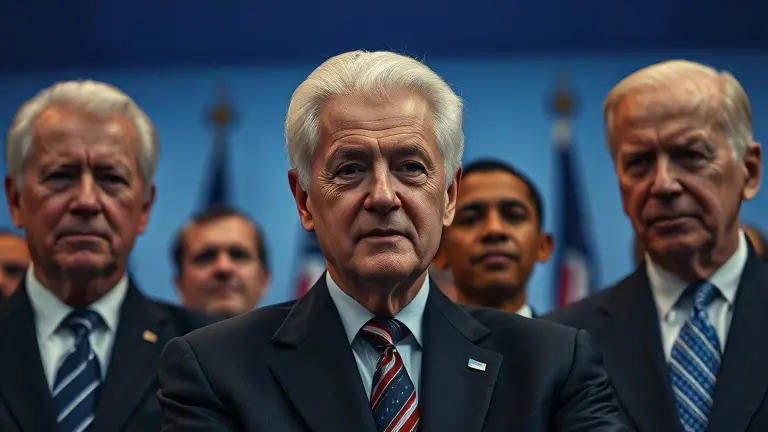
In an increasingly fractured political landscape, the sight of Bill Clinton, Barack Obama, George W. Bush, and Joe Biden standing together on a unified stage is more than just a media event—it is a powerful reminder of the continuity of American leadership. Their recent collaborative appearances, notably in anticipation of the America 250 milestone, have signaled a deliberate shift from partisan debate to a focus on the structural resilience of our nation’s history.
As these leaders engage in high-profile interviews and candid discussions, their ability to remain articulate, focused, and deeply present at this stage of their lives has captivated the public imagination. We are witnessing an evolution of the “former president” role, where these figures are no longer just historical footnotes but active participants in shaping a narrative of future-focused optimism. This remarkable mental vitality leaves many observers questioning the secret behind their sustained cognitive sharpness.
While we admire the incredible mental agility of leaders like Bill Clinton and Joe Biden during their recent marathon interviews, many of us wonder how we can maintain that same level of cognitive clarity and focus as we age. The challenge of staying sharp while navigating the complex demands of our own lives is universal. In this analysis, we explore the legacy of these statesmen and the practical tools available today to help you preserve your own mental edge and cognitive vitality for years to come.
A Unified Front: Former Presidents and the Road to America 250
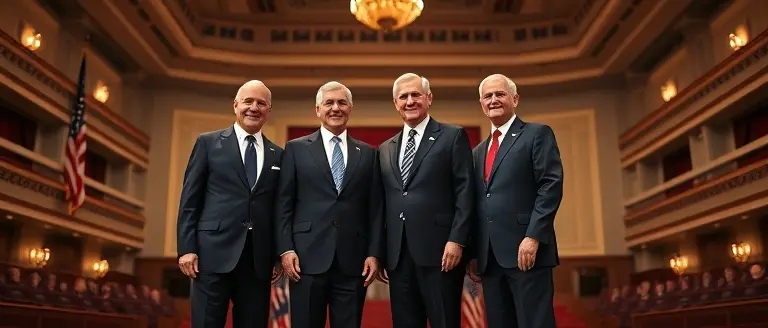
In an era often defined by deep political polarization, a rare convergence of American leadership has captured the national spotlight. Bill Clinton, George W. Bush, Barack Obama, and Joe Biden have recently stepped into a unified space, prioritizing the country’s future over traditional partisan divides. This alignment was highlighted by an exclusive series of interviews conducted by Jenna Bush Hager for TODAY, where the former presidents shared personal reflections on their time in office and their hopes for the nation’s trajectory. The discourse signals a transition from active governance to a shared role as elder statesmen, focused on preserving the integrity of democratic institutions.
The Catalyst for Unity: America 250
The primary driver behind this collective public presence is the approaching ‘America 250’ milestone—the semiquincentennial celebration of the United States. This significant anniversary has served as a unifying platform, culminating in their joint appearance at the ‘HISTORYTalks 2026’ event in Philadelphia. During these discussions, the leaders emphasized a shared optimism, moving beyond the day-to-day friction of policy to address long-term challenges. Key takeaways from their collaborative messaging include:
- Bipartisan Stewardship: Demonstrating that despite differing political philosophies, the commitment to national stability remains a collective priority.
- Legacy Perspectives: Utilizing their unique vantage points as former heads of state to offer guidance on the evolving role of the American presidency.
- Cultural Engagement: Bridging the gap between politics and the public through high-profile media appearances, which have even included lighthearted interactions with celebrities like Ted Danson, humanizing the political elite.
This series of events marks an evolution in how former presidents engage with the electorate. By leveraging the ‘America 250’ framework, these leaders are not merely offering historical analysis; they are actively shaping the narrative of unity needed to bridge current societal fractures. Their synchronized outreach serves as a deliberate strategy to reinforce the durability of American democracy at a time when the public seeks reassurance and stability from its most experienced voices.
Core Messages of Optimism: Comparative Analysis of Presidential Legacies
The recent high-profile gathering of Bill Clinton, Barack Obama, George W. Bush, and Joe Biden represents a rare moment of bipartisan convergence, signaling a unified effort to redefine the role of the modern elder statesman. As the nation approaches the America 250 milestone, these four leaders have moved beyond partisan friction to project a singular, hopeful vision for the future of the United States. While their individual presidencies were defined by starkly different political philosophies, their recent public rhetoric centers on the shared belief in the durability of the American experiment.
Converging on National Resilience
Each president frames his specific legacy as a building block for future stability. Bill Clinton emphasizes economic interconnectedness and global engagement, while George W. Bush focuses on the inherent character of the American people in the face of crisis. Barack Obama highlights the ongoing necessity of civic participation, and Joe Biden anchors the group’s message in the concept of democratic continuity. Evidence suggests that their collective appearances are designed to reassure a public grappling with intense polarization. Their shared messaging highlights:
- Generational Continuity: A shift from individual political victories to a focus on long-term institutional preservation.
- The ‘America 250’ Framework: Framing national challenges not as existential threats, but as tests of endurance that mirror historical milestones.
- Bipartisan Optimism: A deliberate decision to prioritize national unity over legacy competition, showcasing that the democratic process remains functional even in turbulent times.
By stepping into the media spotlight—ranging from the intimate tone of the TODAY interviews to the scholarly platform of HISTORYTalks 2026—these leaders are actively curating a legacy of statesmanship. They are positioning themselves as guardians of the nation’s future, attempting to translate their decades of experience into actionable optimism for a new generation of Americans.
The Modern Presidency: Evolving Engagement via Entertainment Media

The role of the former president has undergone a profound transformation, shifting from the traditional, stoic elder statesman model to one of active, media-savvy public engagement. Recent appearances by Bill Clinton, Barack Obama, George W. Bush, and Joe Biden illustrate this evolution. By eschewing formal press releases in favor of intimate, human-interest formats—such as the recent sit-down interviews with Jenna Bush Hager for TODAY—these leaders are prioritizing relatability over rigid institutional messaging. This pivot to entertainment-adjacent media allows them to humanize the presidency, effectively bridging the distance between complex political policy and the everyday lived experiences of the American public.
The Power of Intimate Dialogue
The effectiveness of this new engagement strategy lies in its ability to strip away the partisan veneer that often defines political discourse. When these former leaders gather for platforms like ‘HISTORYTalks 2026’ or candid interviews, they leverage the intersection of celebrity and statesmanship to reach audiences that might otherwise tune out traditional political coverage. This shift offers several strategic advantages:
- Humanization of Legacy: Personal anecdotes—such as the widely discussed, lighthearted interaction between Bill Clinton and actor Ted Danson—create viral-adjacent moments that make political figures feel approachable and grounded.
- Message Amplification: By utilizing networks like TODAY, these figures ensure their call for national optimism regarding the ‘America 250’ milestone reaches a broader, more diverse demographic.
- Bypassing Traditional Gatekeepers: Direct, long-form interviews provide a controlled environment where presidents can articulate long-term visions for the country without the inherent friction of daily news cycles.
This approach reflects a broader trend in American public life where authenticity is the new currency. By engaging with stars and entertainment-focused journalists, these former presidents are successfully reframing their post-White House tenure as a time of unity, proving that the most resonant political communication today is not found in a podium address, but in a meaningful, well-produced conversation.
Looking Ahead: The Human Interest Behind the Policy
The recent public appearances of Bill Clinton, Barack Obama, George Bush, and Joe Biden have transcended traditional political discourse, shifting the public focus toward the personal stories that define their legacies. By moving away from rigid policy debates and toward the intimate, human-centric storytelling seen in the recent TODAY interviews with Jenna Bush Hager, these former leaders are successfully rebranding themselves as elder statesmen. This shift is particularly evident in the “America 250” campaign, which utilizes collective nostalgia and shared history to ground high-level political figures in the relatable realities of the American experience.
From Partisanship to Personal Connection
The audience reception to these interviews suggests a growing public hunger for a unified narrative that emphasizes common ground over partisan friction. When figures like Bill Clinton share lighthearted anecdotes—such as his recent viral interaction with Ted Danson—or when these leaders discuss the weight of the presidency alongside the simple pleasures of post-office life, the “former president” archetype undergoes a significant evolution. This humanization process serves several strategic purposes:
- Bridging the Divide: By focusing on collective optimism, these figures minimize the polarizing effects of current political challenges.
- Cultural Integration: The intersection of celebrity culture and statesmanship, highlighted by the presence of stars like Nicole Kidman at the Philadelphia HISTORYTalks 2026 event, creates a broader, more accessible platform for civic engagement.
- Legacy Refinement: These candid moments allow the presidents to reflect on their tenures not through the lens of legislative wins or losses, but through the enduring human values that shaped their decision-making processes.
Evidence suggests that this strategy is highly effective, as the public is increasingly engaging with the personal, one-on-one nature of these interactions. By grounding the monumental “America 250” milestone in the lived experiences of these four men, the campaign successfully transforms abstract concepts of American history into a relatable dialogue, offering a refreshing departure from the conventional media cycle.
Unlock Your Peak Potential
As we have seen, the ability of leaders like Bill Clinton and his contemporaries to project strength and clarity is not an accident of history; it is a testament to maintaining engagement and focus throughout every stage of life. The “America 250” narrative reminds us that whether on a national scale or in our personal daily lives, staying sharp, alert, and intellectually present is the key to leaving a lasting legacy of success.
If you are inspired by the cognitive vitality of these figures and want to achieve that same level of mental clarity, it is time to take a proactive approach to your own brain health. We all face the challenges of aging, from mental fog to diminished focus, but these obstacles are not inevitable. By leveraging advanced neuroscience, you can support your cognitive function, ensuring that you remain as sharp and engaged as the statesmen who steer our future.
The Brain Song is the premier cognitive optimization tool designed specifically for those who demand peak mental performance at any age. It acts as a non-invasive, tech-driven ally, helping you combat mental fatigue and sustain the sharpness required for your own personal and professional journey. Just as these leaders prepare for the future of our nation, you owe it to yourself to prepare for the future of your mind.

Discover how you can sharpen your mental edge and maintain peak cognitive performance at any age with The Brain Song.
Yes, I Want This Now!