
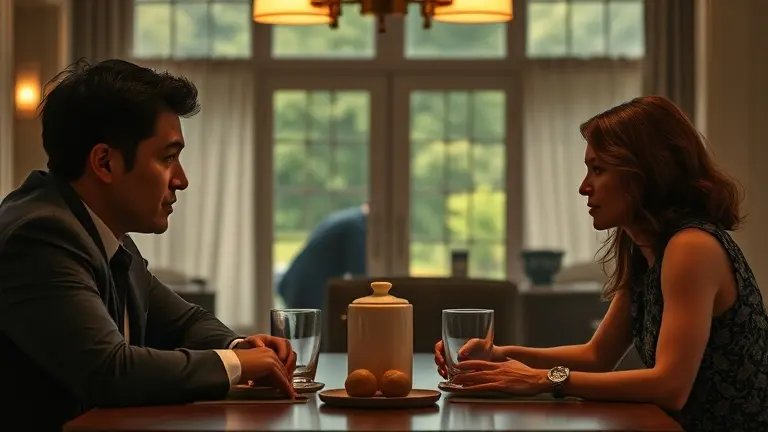
When the credits rolled on the finale of Beef Season 1, it left audiences craving more of creator Lee Sung Jin’s signature blend of explosive human conflict and existential dread. Now, the anticipation has finally been met with the arrival of Beef Season 2, which premiered on April 16, 2026. This high-profile anthology installment shifts the narrative lens to a brand-new setting, replacing road rage with the claustrophobic, polished, and deadly polite world of an exclusive country club.
Featuring a powerhouse ensemble led by Oscar Isaac and Carey Mulligan, alongside Charles Melton and Cailee Spaeny, the series continues its mission to dissect class dynamics and the fragility of the human ego. However, with a 93% score on Rotten Tomatoes, the season has become a lightning rod for debate. While some applaud its sophisticated tonal shift, others are questioning if it has lost the raw, visceral ‘bite’ that defined the show’s massive success on Netflix.
For those who have just finished the final episode, the discourse is far from over. From navigating the ‘boredom’ critiques to analyzing the complex character arcs, it is clear that Beef is still hitting exactly where it hurts—even if the setting has changed. Let’s dive into everything you need to know about the new chapter and why it continues to define modern prestige television.
Beef Season 2: Everything We Know About the New Anthology Chapter

Since its official premiere on April 16, 2026, Beef Season 2 has marked a bold departure for the hit Netflix series. Transitioning into a high-stakes anthology format, the show discards the specific narrative of Beef Season 1 to explore an entirely new, friction-filled story. At its core, the season centers on a volatile feud between two couples embedded within the sterile, high-pressure environment of an exclusive country club. This shift in setting allows creator Lee Sung Jin to pivot from the road-rage origins of the first season toward a more nuanced, systemic investigation of status, social performativity, and the fragility of the human ego.
A High-Profile Cast and New Dynamics
The season relies heavily on the star power of its lead ensemble, which has become a primary driver of its current popularity. The narrative hinges on the palpable tension between its leads, shifting the focus from the blue-collar vs. white-collar friction of the original to a more insulated, intra-class conflict. Key cast members leading the charge include:
- Oscar Isaac and Carey Mulligan: Portraying one of the primary couples, their performances bring a cold, calculated intensity to the screen.
- Charles Melton and Cailee Spaeny: Rounding out the quartet, their involvement adds layers of vulnerability and unpredictability to the season’s central power struggle.
By leveraging the chemistry of this Beef cast, the show maintains its signature “bite,” though critics and fans alike have noted a distinct tonal shift. Lee Sung Jin has confirmed that much of the thematic material, particularly the simmering resentment and petty betrayals, was drawn from real-life incidents he witnessed, grounding the series’ absurdity in recognizable, albeit exaggerated, human behavior. While the show retains the visceral exploration of class dynamics that defined the franchise, it asks audiences to consider how isolation and wealth can fuel conflict just as effectively as the survival-based pressures seen in previous chapters. Whether viewers perceive this as a sophisticated evolution or a departure from the show’s raw roots remains the subject of intense online debate.
The Cast Chemistry: How Oscar Isaac and Carey Mulligan Drive the Narrative

The arrival of Beef season 2 on Netflix brought with it a significant tonal pivot, anchored by the high-wattage casting of Oscar Isaac and Carey Mulligan. While Beef season 1 relied on the chaotic, raw friction between Ali Wong and Steven Yeun, this anthology iteration opts for a more polished, simmering tension. Isaac and Mulligan portray a couple navigating the insular, high-stakes environment of a country club, effectively shifting the show’s central conflict from working-class existential dread to the psychological claustrophobia of the elite. This star power creates an immediate gravitational pull, drawing viewers who expect prestige-level performances, even as the narrative explores darker, more clinical expressions of human fragility.
Performance Choices and Social Conflict
The chemistry between Isaac and Mulligan is instrumental in grounding the show’s complex exploration of class dynamics. Their performances elevate the script by finding nuance in moments of silence and passive-aggression that define the season’s “civilized” warfare. Key factors driving their narrative impact include:
- Heightened Stakes: Unlike the impulsive outbursts of the first season, Isaac and Mulligan’s portrayals rely on calculated social maneuvering, making the inevitable character collapses feel more devastating.
- Genre Sophistication: Critics frequently compare the duo’s dynamic to the ensemble tension found in The White Lotus, as their ability to convey exhaustion and moral ambiguity keeps the audience tethered despite the divisive plot points.
- Acting Synergy: The pair utilizes subtle, micro-expression-heavy performances to communicate the deep-seated resentments between their characters, proving that even with a shift in setting, the core spirit of beef—the persistent, gnawing human conflict—remains intact.
By casting actors of such caliber, creator Lee Sung Jin ensures that the series maintains its status as must-watch television. While some long-time fans argue that the season lacks the raw “bite” of the original, the technical mastery displayed by the lead cast provides a compelling counter-narrative, proving that the show’s evolution is a deliberate choice in prestige storytelling.
Season 1 vs. Season 2: A Comparative Analysis of Tone and Critique

The arrival of Beef season 2 on Netflix has triggered a firestorm of debate, leaving fans of the original installment struggling to reconcile the show’s new direction. While Beef season 1 thrived on the frantic, visceral collision between two individuals spiraling out of control, the second season—starring Oscar Isaac and Carey Mulligan—adopts a more calculated, cerebral approach. This tonal shift has led to inevitable comparisons to The White Lotus, as the narrative trades the raw, gritty road-rage aesthetic of its predecessor for the slow-burn, atmospheric tension of a country club setting. While critics have lauded the performances, audience discourse suggests a palpable friction: some viewers argue that the series has lost its signature “bite,” trading the kinetic chaos of the original for a more meditative, perhaps slower, examination of social status.
Evolution or Loss of Identity?
The criticism regarding the show’s pacing—labeled by some as “boredom”—often overlooks the nuance within its class dynamics. By shifting the lens to institutionalized power structures rather than isolated, individual grievances, creator Lee Sung Jin has pivoted toward a structural critique of human fragility. The tension in season two is less about immediate destruction and more about the corrosive nature of performative wealth.
Key differences highlight the evolution of the Beef franchise:
- Thematic Scope: Where the first season explored individual trauma, this season examines how professional environments exacerbate inherent personality flaws.
- Performance Styles: The chemistry between Oscar Isaac and Carey Mulligan leans into psychological subtlety, a stark contrast to the high-octane emotional outbursts that defined the previous cast.
- Narrative Pacing: The show now mirrors the “prestige anthology” format, prioritizing slow-building dread over the immediate gratification of a direct feud.
Ultimately, whether this season succeeds depends on the viewer’s tolerance for psychological depth. While it may lack the immediate adrenaline rush that made Beef a breakout hit, the second season serves as a sophisticated evolution of the anthology format, grounding its “beef” in the uncomfortable realities of modern social hierarchies rather than just pure, unadulterated rage.
Beef Season 2 Ending Explained: The Final Confrontation

The explosive finale of Beef Season 2 brings the simmering resentment between the two country club couples to a devastating, ambiguous conclusion. As the narrative reach its zenith, the toxic power struggle between the characters played by Oscar Isaac and Carey Mulligan moves past petty sabotage into a complete dismantling of their social standing. Unlike the visceral, road-rage-fueled desperation seen in Beef Season 1, the resolution here is clinical and psychological, echoing the nuanced class warfare often depicted in anthology series like The White Lotus. The final confrontation forces a mirror up to the protagonists, revealing that their “beef” was never truly about the external country club politics, but rather a projection of their own internal moral decay and profound loneliness.
Decoding the Final Moments and Thematic Resonance
Creator Lee Sung Jin has indicated that this season’s darker turn was fueled by real-life interpersonal conflicts, which manifests in the finale as a cyclical trap rather than a cathartic release. The ending leaves viewers questioning the characters’ ultimate trajectory, as the lines between victim and villain vanish entirely. Key takeaways from the finale include:
- The Illusion of Status: The conflict confirms that the “high-class” environment of the country club serves only as a pressurized container for human fragility, amplifying petty grievances into life-altering catastrophes.
- Character Moral Standing: By the final scene, both couples have abandoned their moral compasses, suggesting that their social stature is merely a facade designed to mask their inability to form genuine human connections.
- The “Bite” Factor: While some audience reactions on platforms like Reddit have criticized the tonal shift, the finale validates the creative choice to move away from the chaotic intensity of Beef Netflix’s debut, opting instead for a haunting, lingering existential dread.
Ultimately, the finale functions as a cynical critique of modern aspirational culture. By stripping the leads of their professional and social armor, the series forces a confrontation not with each other, but with the hollow nature of their own existence. Whether this satisfies long-time fans of the Beef cast remains a subject of intense debate, but the finale stands as a bold, if divisive, punctuation mark on the season’s exploration of social friction.
Beyond the Screen: Healing Modern Relationship Dynamics
Beef Season 2 masterfully illustrates the destructive power of miscommunication, ego, and emotional withdrawal. While we watch the characters sabotaging their own connections and spiraling into isolation, it is impossible not to wonder: is there a better way to navigate these high-stakes moments in real life? The show highlights a universal struggle where resentment acts as a barrier, effectively shutting down the pathways to genuine, passionate intimacy.
If you have found yourself resonating with the protagonists’ emotional distance or the feeling that your own romantic dynamics are hitting a wall, there is a path forward. Understanding the underlying psychological triggers—often hidden in plain sight—can transform a stagnant relationship into a resilient, committed partnership. By tapping into the ‘Hero Instinct,’ you can bridge the communication gap that keeps so many couples locked in their own versions of a ‘beef,’ shifting from conflict to true devotion.
You don’t have to be a character in a drama to fix your relationship. Discovering these core emotional drivers provides a blueprint for fostering deep, lasting connections, helping you break the cycle of detachment and move toward a future of mutual understanding and profound commitment.

Learn the secret signals that can transform your own relationship dynamics, unlike the characters in the show.