

The recent clash between Verona and Milan at the Stadio Marcantonio Bentegodi was more than just another Serie A fixture; it was a high-pressure encounter that perfectly captured the duality of AC Milan’s 2026 campaign. With the pressure mounting for a Champions League qualification spot, the Rossoneri arrived in Verona desperate for three points. While they ultimately left with a 1-0 victory courtesy of Adrien Rabiot, the narrow margin and the perceived lack of attacking fluidity have sparked a intense debate among fans and analysts alike.
This performance has left supporters asking a difficult question: can a team rely on grind-it-out, “edgy” displays, or is a tactical evolution necessary to secure their standing among Europe’s elite? The gap between the final result—which moved Milan into second place—and the unconvincing nature of the play on the pitch highlights a deeper, more systemic struggle. Understanding this complexity requires more than just looking at the scoreboard; it requires the kind of sharp, analytical focus that often gets lost in the noise of high-stakes professional sports.
In the following deep dive, we move beyond the standard post-match reports to analyze the tactical limitations of Massimiliano Allegri’s 3-5-2 system and what the future may hold for the manager. For the dedicated fan who refuses to settle for superficial analysis, decoding these nuances is essential to truly grasping the trajectory of this season.
Verona vs Milan: A Narrow Victory with High Stakes
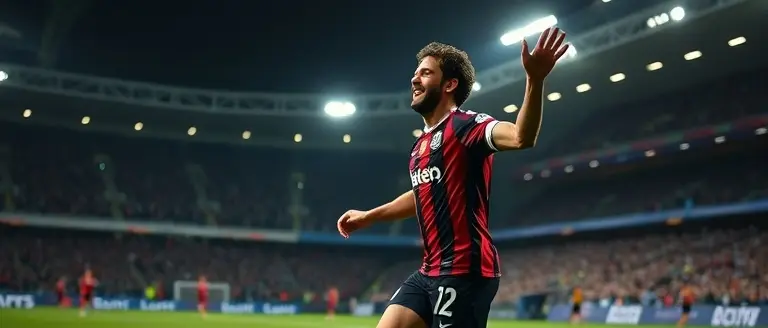
On April 19, 2026, the Stadio Marcantonio Bentegodi served as the backdrop for a critical Serie A fixture between Hellas Verona and AC Milan. In a match defined more by the necessity of points than by technical brilliance, the Rossoneri secured a hard-fought 1-0 victory. This narrow result was dictated by a solitary strike from Adrien Rabiot, whose clinical intervention proved the difference against a disciplined, albeit bottom-placed, Verona side. While the win was statistically vital, the performance served as a sobering reminder of the hurdles Milan faces as they enter the final stretch of the campaign.
Impact on the Champions League Race
The significance of this result cannot be overstated, as it propelled AC Milan into second place in the Serie A standings. This shift in the table is a monumental step for the club’s Champions League qualification ambitions for the following season. Securing these three points was essential for maintaining separation from the chasing pack, yet the quality of the display has left many observers questioning the team’s current trajectory.
Key takeaways from the match included:
- Strategic Shift: Manager Massimiliano Allegri reverted to a 3-5-2 tactical formation, an adjustment that signaled an intent to prioritize defensive stability over fluid attacking play.
- Result vs. Performance: Despite the victory, the team’s performance was widely characterized as “edgy” and unconvincing, raising concerns about whether this tactical configuration is sustainable against higher-caliber opponents.
- Crucial Contributions: With stars like Rafael Leao and Christian Pulisic struggling to unlock the defense, it was Rabiot’s movement that ultimately saved the day, highlighting a dependency on midfield dynamism when the forward line fails to ignite.
Ultimately, the match against Hellas Verona functioned as a microcosm of Milan’s season: a team capable of grinding out professional results under pressure, but one still searching for a definitive identity that can withstand the rigors of elite European football. As the season concludes, the reliance on such narrow margins will undoubtedly remain a focal point for internal and external scrutiny.
Editorial Analysis: The Dissonance Between Result and Performance

The April 19, 2026, verona vs milan clash at the Stadio Marcantonio Bentegodi served as a stark microcosm of AC Milan’s season: a vital victory overshadowed by a lack of stylistic identity. While the 1-0 result successfully catapulted the Rossoneri into second place in the Serie A standings, the manner of the win—clinched by a solitary strike from Adrien Rabiot—did little to silence critics. For a club with Champions League ambitions, struggling to impose authority on the league’s bottom-placed side raises significant questions about the team’s ceiling under Massimiliano Allegri.
Tactical Fragility and the 3-5-2 Experiment
The decision to revert to a 3-5-2 tactical shape appeared to be a reactive measure designed to solidify the backline, yet it frequently stifled Milan’s creative impetus. Instead of dominating possession, the squad looked “edgy” and disorganized, often relying on individual moments of quality rather than cohesive buildup play. Key concerns emerging from this performance include:
- Stagnant Midfield Transition: The lack of synergy between the wing-backs and the central strikers left isolated figures like Rafael Leao and Christian Pulisic struggling to find space.
- Over-reliance on Defensive Stability: While the clean sheet is a statistical positive, the inability to kill off a game against a relegation-threatened opponent exposes a lack of “killer instinct.”
- Managerial Philosophy: Allegri’s pragmatic approach is currently at odds with the team’s attacking personnel, fueling ongoing debate regarding his long-term tenure.
Is this grit sustainable? Evidence suggests that while grinding out points is essential for securing a top-four finish, the current “unconvincing” style will likely be punished by more clinical opponents in European competition. Unless the AC Milan tactical analysis reveals a sharper transition from defense to attack, the tension between the result and the lackluster performance will continue to define the closing weeks of the campaign. The supporters’ skepticism is warranted; the scoreboard masks a deeper malaise that threatens to derail the momentum of their Champions League charge.
Tactical Breakdown: Evaluating the 3-5-2 Shift

Against Hellas Verona, the decision by Massimiliano Allegri to revert to a 3-5-2 formation was intended to provide greater defensive stability and control the central channels. However, the execution during the verona vs milan clash revealed significant limitations in Milan’s current tactical identity. While the three-man backline theoretically offers protection against counter-attacks, it frequently forced Milan into a static buildup, hindering the fluidity typically provided by wider, more aggressive attacking setups. Evidence suggests that the team struggled to transition effectively from defense to attack, resulting in long periods of disjointed possession against a bottom-placed side that sat deep for much of the 90 minutes.
The primary tactical issues stemming from this shift included:
- Congested Midfield Play: The three central midfielders often occupied overlapping spaces, limiting the progressive passing lanes for playmakers like Christian Pulisic.
- Isolation of Forwards: With wing-backs forced to track back defensively, the attacking duo remained isolated, preventing the team from maintaining pressure in the final third.
- Lack of Width: The absence of traditional wingers meant Rafael Leao was often stifled, unable to utilize his explosive pace in one-on-one situations along the touchline.
This reliance on a rigid structure ultimately hampered Milan’s creative output, explaining why the team secured a narrow 1-0 win rather than a dominant display. Adrien Rabiot’s decisive goal provided the necessary result to secure second place in the Serie A standings, yet the tactical analysis points toward a team currently caught between defensive conservatism and the need for offensive creativity. For Allegri, the Serie A 2026 tactical analysis highlights an urgent requirement to find a balance that allows the squad’s high-caliber attacking talent to thrive without compromising the defensive shape. Without a return to a more dynamic system, Milan risks continued “edgy” performances that favor results over sustainable, high-level football.
Managerial Outlook: Massimiliano Allegri’s Future at AC Milan

The narrow 1-0 victory against bottom-placed Hellas Verona has done little to silence the mounting skepticism surrounding Massimiliano Allegri’s tenure at AC Milan. While the three points secured in this verona vs milan clash successfully vaulted the Rossoneri into second place in the Serie A standings, the performance itself was characterized by many as “edgy” and uninspired. For the AC Milan hierarchy, the primary objective of Champions League qualification remains on track, yet the tactical reliance on a rigid 3-5-2 system continues to draw intense scrutiny from analysts and the fan base alike. The disconnect between securing results and maintaining a compelling brand of football has become the hallmark of Allegri’s recent campaign.
The Pressure of Champions League Expectations
The debate over Massimiliano Allegri’s AC Milan future centers on whether a successful qualification for Europe’s elite competition is sufficient to justify his continued presence on the bench. Evidence suggests that while the front office prioritizes financial stability through Champions League participation, the lack of fluidity in matches against lower-tier sides signals a deeper, structural problem. Several key indicators have intensified the pressure:
- Tactical Inconsistency: The reversion to a conservative 3-5-2 setup often isolates creative talents like Rafael Leao and Christian Pulisic, leading to disjointed attacking phases.
- Performance Quality: Relying on individual brilliance, such as the match-winning moment from Adrien Rabiot, often masks systemic deficiencies that could be exploited by stronger European opponents.
- Fan Sentiment: Persistent dissatisfaction among the supporter base regarding the team’s “poor” performance levels creates a volatile environment that can impact player morale during high-stakes fixtures.
Ultimately, Allegri remains in a precarious position. While this victory provides immediate breathing room, it does not provide a definitive answer to the long-term vision of the club. Whether Allegri stays or moves on will likely depend on whether the board values consistent, albeit underwhelming, results over the potential for a more dynamic and modernized tactical evolution. As the season nears its conclusion, every remaining match serves as a referendum on his methodology and his capability to lead the Rossoneri back to domestic dominance.
Decoding the Complexity of the Modern Game
Ultimately, the match between Verona and Milan underscores a broader reality in modern football: the thin, volatile line between grinding out a result and falling into systemic stagnation. While Milan has succeeded in their immediate goal of securing a spot in the top tier of the Serie A standings, the “edgy” performances and reliance on individual moments of brilliance suggest that the status quo may not hold for long. As the season approaches its climax, fans and analysts must maintain absolute clarity to discern between superficial wins and the deep-seated tactical challenges that will truly define the club’s future under Allegri.
Just as a team needs to maintain extreme tactical discipline to avoid an ‘edgy’ performance on the pitch, our own cognitive sharpness is the vital key to decoding these complex managerial decisions without falling victim to mental fatigue. Navigating the constant influx of tactical reports, player metrics, and pundit debates in the modern sports landscape demands more than just passion—it requires peak cognitive performance. When the pressure is high, mental fog is the enemy of the analytical fan.
This is precisely where The Brain Song becomes an essential tool for the dedicated sports observer. By enhancing your natural focus and mental clarity, it allows you to cut through the noise and deeply analyze the nuances of complex systems like the 3-5-2 shift that defined this match. Stop struggling to keep up with the chaotic pace of news cycles; equip yourself with the cognitive edge required to truly master your analysis. Don’t let mental fatigue cloud your judgment—take control and refine your understanding of the game today.

Unlock your peak analytical focus and decode the tactical nuances of Serie A with The Brain Song today.
Unlock My Focus Now!