

As residents across the Charlotte metro area scan their devices for the latest charlotte weather updates, a deeper, more concerning narrative is unfolding beneath the surface of the weekend forecast. While the promise of a cooler, breezy Sunday and a slight chance of rain might seem like a welcome reprieve from recent heat, experts warn that these short-term fluctuations are merely masking a deeper, more persistent threat: an ongoing, intense drought that continues to tighten its grip on the Carolinas.
The duality of the current situation—celebrating “beautiful” weather while simultaneously facing severe hydrological stress—is creating a disconnect in how we manage our homes and landscapes. As local outlets highlight everything from the National Weather Service’s latest freeze watch to the long-term risks posed by record-hot spring temperatures, it has become clear that passive monitoring is no longer enough. The regional environment is at a breaking point, and the way we respond to these daily alerts has a direct impact on the long-term resilience of our properties.
This article moves beyond the standard transactional reports found on the evening news to examine the “why” behind Charlotte’s changing climate. We will bridge the gap between immediate weather alerts and the broader necessity for drought preparedness, offering actionable strategies to transform your outdoor spaces into sustainable, hardy environments that can withstand the unpredictable challenges of the coming season.
The Dual Reality: Charlotte’s Weekend Forecast vs. The Drought Crisis
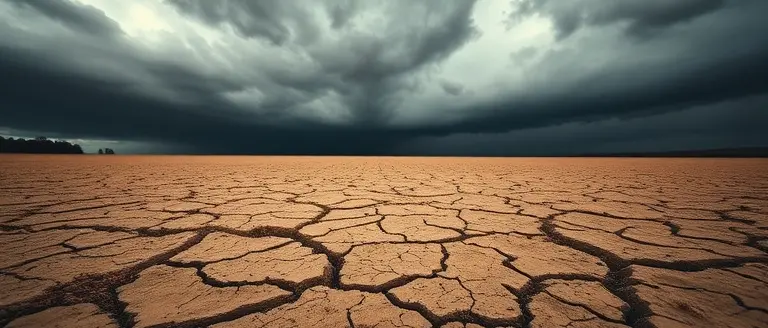
As residents track the latest charlotte weather updates, a striking atmospheric paradox has emerged. While the weekend promises a cooler, breezy Sunday with potential morning rain—a welcome reprieve from recent temperatures—this brief shift is deceptive. Beneath the surface of these pleasant conditions lies a deepening drought crisis across the Carolinas. Local meteorological alerts, including those from the National Weather Service, highlight a volatile environment where the \”beautiful\” sunny days frequently celebrated by residents are, in reality, accelerating the depletion of soil moisture and exacerbating long-term water deficits.
Understanding the Precipitation Gap
The upcoming rain chance on Sunday, while meteorologically significant, is unlikely to offer a structural remedy for the region’s hydrological stress. To understand why this weather pattern is problematic, consider the following environmental factors currently impacting the Charlotte metro area:
- Inadequate Soil Saturation: Brief, light rain events often evaporate before they can replenish deep-soil moisture or groundwater levels significantly depleted by weeks of dry, sunny patterns.
- Freeze Risks: The National Weather Service (NWS) freeze watch for western North Carolina introduces additional stress to flora already struggling with irregular climate cycles and water restrictions.
- Cumulative Deficits: The persistent lack of consistent, soaking rainfall over the past month has widened the precipitation gap, making the landscape increasingly susceptible to fire risks and agricultural strain.
While many turn to their apps for a quick weekend forecast, it is vital to recognize that daily fluctuations do not equate to recovery. The current drought conditions are a regional issue that requires long-term water conservation awareness. Even as cooler, breezy air flows through the city, the data suggests that Charlotte remains in a fragile state, requiring residents to balance weekend planning with an acute awareness of ongoing municipal water restrictions and the broader, concerning trend of regional moisture loss.
Breaking Down the Data: Why Current Rainfall Isn’t Enough

While residents often look to the Charlotte weather forecast for signs of relief, a clear disconnect exists between short-term precipitation and the region’s long-term hydrological health. Even when meteorologists issue a \”First Alert\” for weekend rain, the data suggests that these isolated events are insufficient to reverse the deepening drought conditions plaguing the Carolinas. To understand why, we must look at the cumulative rainfall deficit that has persisted over the last quarter. Soil moisture levels remain critically low, and the sporadic, light showers characteristic of recent weather patterns rarely penetrate beyond the surface layer. Instead of recharging the deeper water tables or saturating parched root systems, this moisture typically evaporates under the influence of persistent dry air and breeze before it can provide any meaningful environmental benefit.
The Myth of \”Helpful\” Rain
The environmental stress currently impacting the region is driven by a combination of factors that render light rain ineffective. When the soil becomes hydrophobic—a common side effect of prolonged dry spells—it loses the ability to absorb water efficiently. Instead of soaking into the ground, rainwater simply becomes runoff, providing no long-term relief to local reservoirs or the agricultural sector. Consider the following realities regarding the current deficit:
- Evapotranspiration Rates: Even in cooler temperatures, solar radiation and low humidity strip moisture from the topsoil almost immediately.
- Depth of Penetration: Effective drought recovery requires deep, soaking rainfall, whereas current models suggest only surface-level dampening.
- Cumulative Deficits: The lack of consistent, heavy precipitation throughout the quarter has created a \”moisture debt\” that cannot be settled by a single weekend rain event.
For those tracking the Charlotte weather, it is vital to distinguish between a \”wet day\” and a \”hydrologically significant event.\” Until the region experiences sustained, heavy rainfall that penetrates several inches into the subsoil, the drought will continue to intensify. Adopting water conservation measures remains critical, as the current meteorological trends are currently failing to provide the deep recharge necessary for local environmental stability.
Practical Adaptation: How Charlotte Residents Can Manage the Drought

As Charlotte weather patterns shift toward a period of concerning environmental stress, residents must move beyond simple daily tracking to active landscape management. While the current, breezy conditions may feel pleasant, they are significantly accelerating soil moisture loss, further exacerbating the ongoing regional drought. To protect your property’s health while adhering to strict local conservation mandates, homeowners should prioritize water-wise strategies that focus on moisture retention rather than excessive hydration.
Implementing Water-Wise Landscaping
One of the most effective ways to mitigate the impact of the current drought in the Carolinas is by shifting toward xeriscaping principles. By choosing native, drought-tolerant plant species that are naturally adapted to the North Carolina climate, you can significantly reduce your reliance on supplemental irrigation. Furthermore, applying a thick layer of organic mulch—such as pine bark or wood chips—around your garden beds is essential. Mulching serves as an insulating blanket, curbing surface evaporation caused by recent breezy winds and keeping root systems cool during sudden temperature fluctuations, such as those noted in the recent National Weather Service freeze watch.
Smart Irrigation and Conservation Practices
During periods of restricted water usage, precision is critical. To maintain your lawn and garden while staying compliant with city alerts, consider the following best practices:
- Optimize Irrigation Timing: Water during the early morning hours (before 8:00 AM) to minimize evaporation loss caused by the sun and wind.
- Utilize Drip Irrigation: Switch from traditional sprinklers to drip irrigation systems, which deliver moisture directly to the root zone with up to 50% less waste.
- Group Plants by Need: Organize your landscape into \”hydrozones\” where plants with similar water requirements are grouped together to prevent overwatering hardy species.
- Monitor Soil Moisture: Use a simple moisture probe to test the soil; only irrigate when absolutely necessary rather than sticking to a rigid, automatic schedule.
By adopting these proactive maintenance techniques, Charlotte residents can preserve their investments in home landscaping while demonstrating collective responsibility during this prolonged period of limited precipitation. Being mindful of these resource-conscious habits is the best way to bridge the gap between temporary weather fluctuations and long-term climate resilience.
Preparing for Volatility: Long-Term Outlook for the Carolinas

While the immediate Charlotte weather forecast—marked by a breezy Sunday and a freeze watch for the western reaches of the Carolinas—demands our short-term attention, these events are increasingly symptomatic of a broader regional instability. The recurring cycle of \”beautiful,\” sunny days that actually accelerate soil moisture loss highlights a dangerous paradox: short-term pleasantry is masking a deepening, long-term drought crisis. As we transition through spring, the shift from record-breaking warmth to sudden, chilling fluctuations underscores the necessity of moving beyond reactive planning and toward a proactive, climate-resilient mindset for the Charlotte metro area.
Strategic Shifts in Resource Management
To maintain community safety and property health during periods of environmental stress, residents must view local NWS alerts not just as weekend inconveniences, but as indicators of underlying hydrological shifts. Adapting to this \”new normal\” requires a disciplined approach to water usage and landscaping that prioritizes efficiency over aesthetic convenience. Implementing long-term strategies is critical to mitigating the impact of these intensifying dry spells:
- Drought-Hardy Landscaping: Prioritize native, deep-rooted plants that require minimal supplemental irrigation, reducing dependence on municipal water supplies.
- Precision Watering Schedules: Strictly adhere to current water conservation restrictions to protect the long-term viability of local reservoirs, even during mild, cool stretches.
- Climate-Responsive Gardening: Monitor regional moisture levels regularly rather than relying on seasonal norms, as changing weather patterns can render traditional gardening calendars obsolete.
- Infrastructure Preparedness: Insulate irrigation components and sensitive exterior landscaping ahead of unexpected freeze warnings to prevent property damage.
By integrating these habits, residents can bridge the gap between volatile, daily weather reports and the reality of a changing regional climate. Focusing on conservation now ensures that local infrastructure and natural resources remain resilient against the unpredictable meteorological challenges expected in the coming months.
\”,introducao:
Ultimately, the unpredictable nature of Charlotte’s weather serves as a constant reminder that our environment is shifting in ways that demand more than just passive observation. Addressing the realities of our ongoing drought requires a transition from simply reacting to the weekend forecast to proactively building landscapes that can withstand these cycles. It is no longer enough to hope for rain; you must take tangible steps to ensure your property remains a resilient, water-efficient sanctuary.
While adjusting your landscaping to survive these dry spells is essential, executing these projects shouldn’t involve the frustration of trial-and-error. Whether you are building raised garden beds to better manage soil moisture or constructing protective housings for your irrigation systems, having professional, precise plans ensures your outdoor updates are built to last through any climate shift. This is exactly where professional blueprints become your most valuable asset.
Ted’s Woodworking acts as the essential toolkit for homeowners looking to take control of their property’s resilience and aesthetic value. By providing access to 16,000 professional-grade plans, this resource eliminates costly building mistakes and empowers you to construct custom, functional, and water-efficient structures with total technical certainty. It is the natural bridge between your awareness of the drought and the physical adaptation of your home, turning environmental concern into a high-impact, productive project.
 Build your drought-resilient garden with precision: Access 16,000 professional woodworking plans and start your upgrade today.