
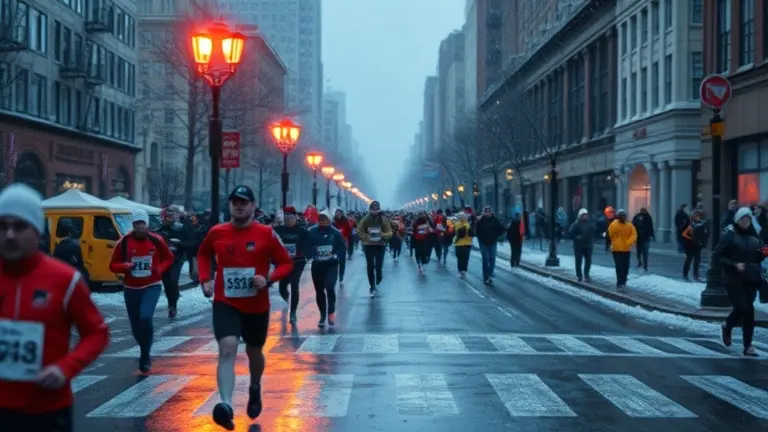
The 130th Boston Marathon is set to be one for the history books, but for all the wrong reasons. As 30,000 runners prepare to toe the line this Monday, April 20, 2026, the primary concern isn’t just the legendary 26.2-mile course—it’s the unseasonably brutal boston weather. With temperatures projected to remain locked in the upper 30s to low 50s, this cold snap represents a significant physiological hurdle that demands more than just traditional gear.
Successfully navigating the boston marathon route under these conditions requires a masterclass in thermoregulation. Whether you are a first-time participant eyeing Heartbreak Hill or a seasoned spectator planning your day along Beacon Street, the combination of physical exertion and extreme environmental stress creates a unique challenge. Safety is paramount, and your ability to manage your body’s internal furnace will be the deciding factor between a personal best and an early exit.
In this guide, we break down the critical logistics, transit updates, and last-minute survival strategies you need to thrive in this record-breaking chill. From crowd-mitigation tips to actionable gear advice, we are providing the essential roadmap to ensure you stay warm, focused, and ready to tackle the historic streets of Boston.
Race Day Alert: Managing the Historic 2026 Cold Snap

As runners and spectators prepare to navigate the iconic boston marathon route this Monday, April 20, they must account for a significant environmental challenge. Meteorologists have confirmed that the 130th running of the event will contend with unseasonably freezing temperatures, with highs struggling to climb out of the 40s. This historic cold snap is projected to be among the coldest in race history, necessitating immediate adjustments to both performance strategies and spectator safety protocols. Whether you are tackling Heartbreak Hill or cheering from the sidelines on Beacon Street, prioritizing thermoregulation is critical to avoiding hypothermia and cold-related injuries.
Strategic Adjustments for Runners
The extreme boston weather requires a departure from typical racing gear. Runners should prioritize moisture-wicking layers that can be shed if necessary, though most experts advise keeping extremities covered until the final miles.
- Layering Strategy: Wear disposable “throw-away” clothing at the Hopkinton start line to conserve body heat while waiting in the corrals.
- Hydration: Even in cold temperatures, dehydration remains a risk. Cold air is dry, and runners often forget to drink because their thirst mechanism is suppressed in freezing conditions. Aim for electrolyte-balanced fluids at every aid station.
- Strategic Pace: Start conservatively. Cold muscles are prone to cramping and strain; warming up properly before the gun goes off is non-negotiable.
Spectator Safety and Logistics
For those supporting the 30,000+ participants, the challenge is long-term exposure. With the crowd science team monitoring density along the route to ensure participant safety, spectators should identify viewing spots that offer natural wind breaks.
- Wind Protection: Buildings along the urban segments of the route provide better shielding than open areas; utilize these zones to maintain core temperature.
- Logistics: Expect significant delays due to road closures and modified MBTA service. Check the latest updates on the boston marathon route closures before departing, as cold weather may cause transit fluctuations.
- Medical Awareness: If you observe a runner showing signs of confusion or uncontrollable shivering, alert the medical staff immediately. Real-time data students are feeding to race officials will be prioritizing these high-risk areas throughout the day.
Interactive Route Map and Essential Street Closures

The Boston Marathon route remains one of the most iconic point-to-point courses in the world, stretching 26.2 miles from the quiet starting line in Hopkinton to the legendary finish on Boylston Street. Navigating this course requires precision, especially with the 130th-anniversary race hosting over 30,000 participants. Spectators and runners must account for the drastic elevation changes, particularly the infamous “Heartbreak Hill” in Newton, which is amplified this year by record-breaking cold Boston weather. With temperatures struggling to reach the low 40s, efficiency in your transit planning is not just about convenience—it is essential for managing your exposure to the elements.
Critical Road Closures and Transit Disruptions
To ensure the safety of the massive field, city officials have authorized widespread road closures beginning as early as 5:00 AM in Hopkinton and extending into downtown Boston by 9:00 AM. Key arteries, including segments of Beacon Street, will be fully restricted to vehicle traffic to accommodate the flow of runners and emergency personnel.
- Hopkinton/Start Area: Road closures begin at 5:00 AM; residents are advised to expect zero vehicle access until mid-afternoon.
- Boston Proper: Major thoroughfares, including Commonwealth Avenue and Beacon Street, face rolling closures. Expect significant delays and restricted parking throughout the Back Bay area.
- MBTA Adjustments: The MBTA will operate on a modified schedule. Use the Commuter Rail or Green Line for access, but be advised that many stations near the finish line may reach capacity and experience “skip-stop” service to manage crowd density.
Navigating the Cold-Weather Spectator Experience
Given the unseasonably cold forecast, planners are leveraging crowd science to mitigate bottlenecks at high-density viewing points. If you are heading out to support the runners, avoid staying stationary for long periods near the exposed Newton hills. Instead, prioritize indoor warming spots or areas with natural windbreaks. Because traffic will be severely impacted, using real-time GPS trackers and public transit apps is highly recommended over driving. Always verify the latest closure status via official marathon dashboards before departing, as the combination of freezing temperatures and massive crowds necessitates extreme caution for both athletes and those braving the sidelines.
Last-Minute Gear Guide: Surviving the 40-Degree Marathon

With the Boston Marathon route forecast calling for record-breaking cold temperatures—hovering in the 40s—proper layering is the primary defense against hypothermia and muscle tightness. For the 130th running of this historic race, athletes must balance the need to stay warm at the Hopkinton start line while preventing overheating during high-exertion segments. The golden rule for race day is to dress as if it is 15 to 20 degrees warmer than the thermometer reads; once your body heat generates, you will find that excessive layers become a significant weight burden. Prioritize synthetic, moisture-wicking fabrics; avoid cotton at all costs, as it retains moisture and will rapidly sap your body heat, increasing your risk in these frigid conditions.
Strategic Layering for Race Day
To navigate the 26.2-mile course effectively, use a modular approach to your gear. Start with a “throw-away” strategy to keep your core temperature stable before the gun goes off.
- Throw-Away Layers: Wear old hoodies, sweatpants, or blankets over your race kit while in the athlete’s village. You can discard these at the start, knowing they will be donated to charity.
- Arm Sleeves and Gloves: These are essential because they provide immediate warmth but are easy to remove and tuck into a belt or shorts pocket if the sun emerges mid-race.
- The Head-to-Toe Defense: A significant amount of body heat is lost through the head; a lightweight beanie or headband is vital. Ensure your socks are wool or synthetic blends to protect against cold-induced numbness.
- Anti-Chafe Protection: Cold air dries out the skin rapidly. Apply generous amounts of anti-chafing balm to exposed areas to prevent windburn, which can be just as debilitating as muscle fatigue.
As you traverse the Boston marathon route, remember that your hydration needs remain high despite the cold Boston weather. Dehydration often masks the early signs of cold stress, so maintain your electrolyte intake even if you do not feel thirsty. By optimizing your gear choices now, you can focus your energy on the challenging hills of Newton rather than fighting the elements.
Spectator Cheat Sheet: Timing, Transit, and Warmth
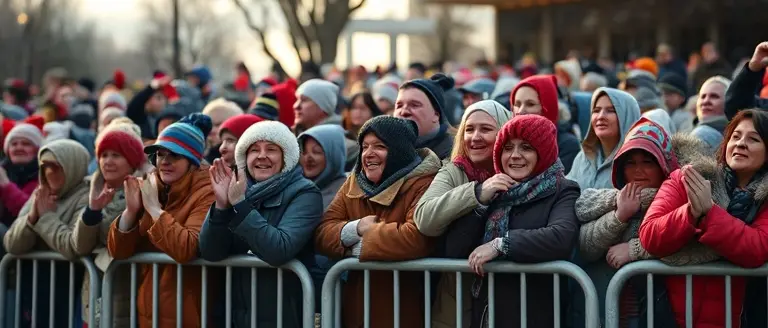
Navigating the Boston Marathon route under the threat of record-breaking cold requires a strategic approach to both movement and thermal regulation. With highs struggling to climb out of the 40s this Patriots’ Day, spectators should prioritize transit hubs that offer indoor access. The MBTA will operate on a modified holiday schedule, but heavy congestion is expected; utilize the Green Line D branch to access Brookline and Beacon Street, which serve as excellent vantage points while remaining proximal to indoor “warm-up” zones like local cafes and transit terminals. If you are positioned near the 20-mile mark, utilize nearby public infrastructure to shield yourself from wind chill, which will be the primary factor in potential hypothermia risk for stationary observers.
Race Timeline and Strategic Viewing
To minimize exposure time, align your arrival with the anticipated arrival of the race field. Elite runners will be the first to navigate the course, followed by the rolling start of the various waves.
- Elite Women: Expected in the City of Boston/finish line vicinity between 11:30 AM and 12:00 PM.
- Elite Men: Anticipated to reach the downtown corridor between 12:00 PM and 12:30 PM.
- Main Waves: The bulk of the 30,000+ runners will progress through the route from roughly 1:00 PM through 5:00 PM.
Survival Tips for the 40-Degree Marathon
Given the Boston weather forecast, dressing for the race is just as important for the spectator as it is for the athlete. Follow these cold-weather essentials to stay safe while tracking your runner:
- Layering Strategy: Wear a moisture-wicking base layer followed by a windproof outer shell. Do not underestimate the wind chill along the exposed stretches of Commonwealth Avenue.
- Hand and Foot Care: Use chemical heat packs in gloves and boots. If your feet get cold, your ability to navigate the crowds safely will be compromised.
- Hydration: Even in cold temperatures, the body loses fluid rapidly. Maintain hydration to keep your circulatory system efficient, which directly aids in thermoregulation.
- Real-Time Updates: Monitor official race apps for unexpected delays in the race field, which may require you to move from your viewing spot to a climate-controlled area sooner than planned.
By planning your transit around the MBTA service alerts and focusing on segments of the Boston Marathon route that offer immediate shelter, you ensure a safe experience despite the unseasonably frigid conditions.
Optimize Your Inner Furnace for Boston
As you prepare to tackle the 26.2-mile course in these historic sub-50-degree temperatures, remember that external gear is only half the battle. While high-performance layers protect you from the wind, maintaining your internal furnace is the real challenge in such record-breaking cold. Your body is working overtime simply to stay warm, which can rapidly deplete the energy reserves you need for those final, crucial miles.
This is where CitrusBurn becomes your ultimate secret weapon. As a potent metabolic accelerator, CitrusBurn helps activate your body’s natural thermogenic process. By providing the internal metabolic support your system craves under thermal stress, it helps you maintain core warmth and sustain consistent energy levels throughout the duration of the race. It is the tactical, science-backed approach to ensuring your internal engine doesn’t sputter when the temperatures drop.
Don’t let the unseasonably cold Boston weather dictate your performance. By bridging the gap between external environmental constraints and your body’s physiological requirements, CitrusBurn provides the sustained metabolic output needed to keep you moving strong from the Hopkinton start to the Boylston finish. Empower your metabolism today to claim your victory on race day.

Read the guide on how to fuel your internal heat and prep your metabolism for the Boston Marathon starting line.
I’m Ready For This!