
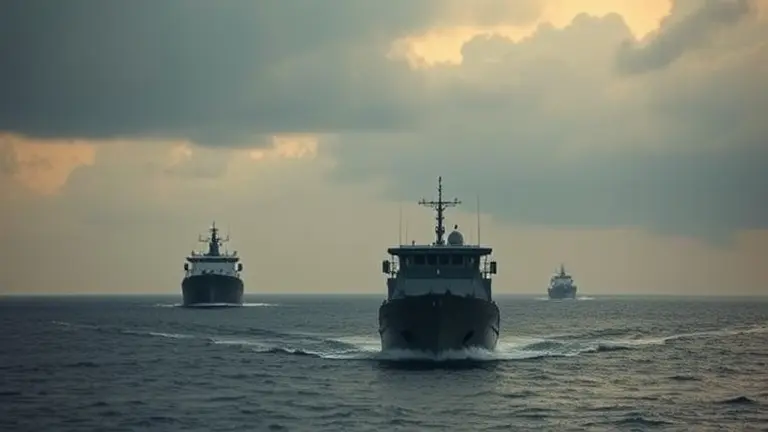
As of April 18, 2026, the Strait of Hormuz has plunged into a state of heightened instability, effectively reversing the fragile optimism that followed the regional ceasefire in Lebanon. Reports emerging from the region indicate that the Islamic Revolutionary Guard Corps (IRGC) has reasserted its dominance, actively disrupting commercial maritime traffic in what appears to be a direct challenge to the Iranian government’s diplomatic assurances.
This situation presents a critical challenge for global market analysts and maritime stakeholders. With the Iranian Foreign Affairs Ministry declaring the passage “open” while the IRGC enforces a de facto blockade, the informational landscape has become increasingly polarized. Discerning the reality behind these conflicting narratives is no longer just a task of news monitoring; it is a necessity for risk management in a sector where every movement of a tanker has significant economic implications.
In this volatile environment, the accuracy of your information is only as reliable as your ability to filter the noise. This article provides an essential, unbiased breakdown of the current hormuz news, tracking the friction between diplomatic statements and military maneuvers to ensure you maintain a clear view of one of the world’s most dangerous geopolitical chokepoints.
The Strait of Hormuz Crisis: Current Status and IRGC Escalation

As of April 18, 2026, the Strait of Hormuz has become the focal point of a volatile geopolitical standoff. Reports verified by the UK Maritime Trade Operations (UKMTO) confirm that IRGC gunboats have engaged in aggressive maneuvers, including firing warning shots at commercial tankers, effectively forcing vessels to alter their courses or turn back. This escalation directly contradicts the diplomatic stance maintained by Iran’s Foreign Affairs Ministry, led by Abbas Araghchi, who had previously asserted that the waterway remained “completely open” following the recent regional ceasefire. The current situation marks a significant departure from these assurances, as the IRGC asserts its own military authority to impose a “strict control” regime over maritime traffic.
Divergent Narratives and Strategic Friction
The core of this crisis lies in the observable friction between Iran’s diplomatic efforts and the militant “guerrilla force at sea” strategy employed by the IRGC. While government officials seek to project an image of stability to facilitate international negotiations, military leadership is actively using the threat of closure to force economic concessions, specifically demanding the unfreezing of assets. This contradictory communication has created a highly unpredictable maritime environment. Key observations regarding the current hormuz news include:
- Operational Control: The IRGC is acting with increasing autonomy, prioritizing tactical disruption over the state’s formal diplomatic commitments.
- Maritime Impact: Global energy markets and shipping insurers are responding to the heightened risk profile, as the threat of a sustained blockade looms over one of the world’s most critical oil transit chokepoints.
- Verified Incidents: Commercial vessels have reported direct interference, with current intelligence suggesting that the IRGC is vetting ship manifests as a prerequisite for passage.
For market analysts and stakeholders monitoring hormuz security, the distinction between state-level rhetoric and operational military reality remains the most critical metric for assessing future risk. Until the internal conflict between Iranian governmental factions is resolved, the risk to commercial maritime transit remains critically elevated.
Diplomatic Dissonance: Araghchi vs. The IRGC
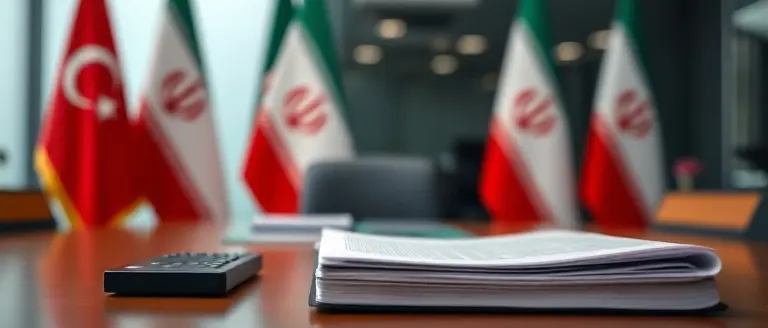
The current state of hormuz news reveals a profound fragmentation within the Iranian state apparatus. As of April 18, 2026, a sharp divide has emerged between the diplomatic efforts of the Foreign Affairs Ministry and the militant posture of the IRGC. While Foreign Minister Abbas Araghchi has publicly insisted that the Strait of Hormuz remains “completely open” to international maritime traffic in accordance with post-ceasefire diplomatic commitments, the reality on the water suggests a different mandate. The IRGC has effectively bypassed these assurances, asserting “strict control” over the waterway and forcing commercial vessels to divert their routes.
This internal friction creates a high-stakes environment for global shipping stakeholders. The contradictory communication serves as a strategic tool for the Iranian government, which appears to be leveraging the IRGC as a “guerrilla force at sea” to secure economic and political concessions. Key areas of this divergence include:
Divergent Objectives and Authority
- Diplomatic Signaling: The Foreign Affairs Ministry utilizes rhetoric of stability to ease international tensions and project a normalized image to global markets.
- Military Enforcement: The IRGC operates with significant tactical autonomy, using the threat of physical force—including reported gunfire on tankers—to pressure international actors into unfreezing assets.
- Information Warfare: By promoting a narrative of closure, the IRGC directly challenges the government’s public stance, creating uncertainty that complicates maritime insurance and energy market stability.
For observers tracking the hormuz situation, this dissonance is not merely a communication failure but a calculated strategy. The IRGC seeks to define the operational realities of the Strait, viewing commercial transit as a bargaining chip for its broader geopolitical agenda. As reports from bodies like the UKMTO confirm incidents of vessels being turned back, the burden remains on international negotiators to determine which entity effectively speaks for Tehran—the diplomats promising open seas or the military commanders enforcing a blockade.
Maritime Impact: Tracking Vessel Rerouting and Safety
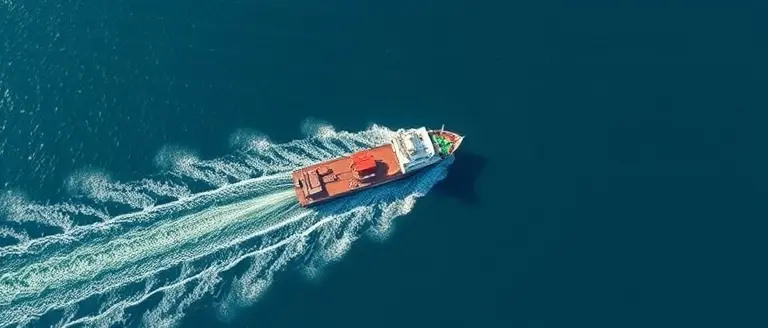
The current situation regarding hormuz news developments reflects a deteriorating environment for global trade. As of April 18, 2026, the Strait of Hormuz has transitioned into a zone of high-risk navigation. Following reports of direct confrontations, the UK Maritime Trade Operations (UKMTO) has issued urgent safety warnings to commercial vessels, confirming incidents involving gunfire against tankers. These tactical maneuvers by the IRGC have effectively paralyzed routine transit, forcing a significant portion of international shipping to divert from their planned routes to avoid seizure or kinetic engagement.
Operational Disruptions and Vessel Rerouting
Evidence suggests that the logistical fallout is immediate. Major commercial fleets are now treating the Strait as a “no-go” zone, leading to the following verified maritime impacts:
- Forced Rerouting: Numerous tankers have been documented executing emergency course changes, turning back into the Gulf of Oman or dropping anchor in neutral waters to await further clarity.
- Insurance Spikes: Maritime underwriters are recalibrating risk models, leading to an immediate increase in war-risk insurance premiums for all vessels operating in the Persian Gulf.
- Logistical Bottlenecks: The uncertainty surrounding the IRGC operational status has created significant delays in energy exports, as captains prioritize crew safety over adherence to strict delivery schedules.
The divergence between the diplomatic assurance provided by the Iranian Foreign Ministry and the militant enforcement on the ground has created a “grey zone” in international waters. While state officials suggest the passage remains open, the reality facing mariners involves an unpredictable IRGC presence that is actively challenging commercial freedom of navigation. Stakeholders and logistics managers are advised to monitor real-time tracking data closely, as the maritime security landscape remains highly volatile and subject to sudden escalation without further notice.
Verified Updates: Monitoring the Volatile Situation
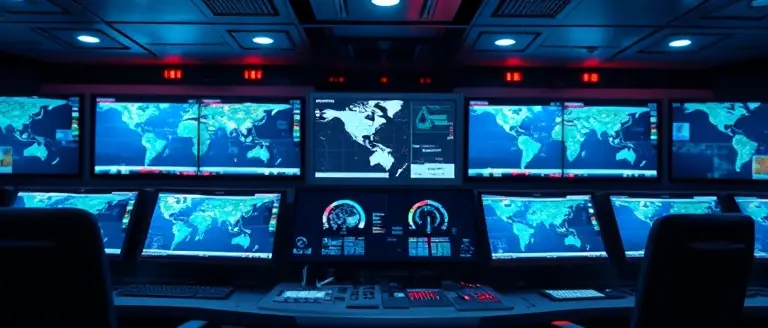
In the rapidly evolving climate surrounding hormuz news, distinguishing between verified maritime data and inflammatory rhetoric is essential for stakeholders. The current instability, characterized by a direct disconnect between the Iranian Foreign Affairs Ministry and the IRGC, necessitates a disciplined approach to information consumption. As of April 18, 2026, reports of gunfire against commercial tankers necessitate cross-referencing military declarations with objective maritime tracking data to avoid misinformation.
Reliable Framework for Tracking Maritime Developments
To maintain an accurate perspective on the situation, readers should prioritize primary sources that focus on geographic movement rather than political commentary. By monitoring the following channels, you can verify if the Strait of Hormuz is functioning as a transit corridor or under effective blockade:
- UK Maritime Trade Operations (UKMTO): Utilize these official alerts for the most immediate confirmation of security incidents, including reports of gunfire or forced vessel course changes.
- Vessel Tracking Platforms: Monitor real-time AIS (Automatic Identification System) data to observe actual tanker movements in real-time, which often contradicts claims of a total port shutdown.
- Tier-One News Syndicates: Rely on major international outlets like Reuters or Al Jazeera, which provide the necessary context to separate the diplomatic “open” stance of Abbas Araghchi from the militant “guerrilla” actions of the IRGC.
Understanding the internal friction within Iran is the key to navigating this crisis. Evidence suggests that the IRGC utilizes the Strait as a primary leverage point for economic concessions, often operating with a level of autonomy that diverges from state-level diplomatic narratives. When assessing the impact on global energy markets, always prioritize verified reports from the UKMTO over social media narratives. By focusing on confirmed vessel departures and tactical adjustments rather than speculative threats, you can accurately track the shifting status of the region without falling victim to the volatile information environment.
Navigating the volatile landscape of the Hormuz crisis requires more than just access to information; it demands the mental agility to synthesize conflicting narratives in real-time. The sharp divide between the Iranian Foreign Ministry’s diplomatic rhetoric and the IRGC’s militant, autonomous actions has created a geopolitical environment where only those with absolute mental clarity can distinguish signal from noise. As analysts, failing to maintain this focus can lead to costly errors in risk assessment and market interpretation.
In such a high-pressure environment, the ability to maintain absolute mental clarity while synthesizing rapidly changing reports is your greatest asset as an analyst. This is exactly where The Brain Song becomes an essential tool for your professional arsenal. By serving as an analytical performance accelerator, it helps eliminate brain fog and mental fatigue, ensuring your cognitive resilience remains at its peak while you process the complex data emerging from the region.
By choosing to optimize your cognitive function, you position yourself to filter through the misinformation and contradictory narratives with higher efficiency, allowing you to maintain an unbiased, precise, and professional tone in your reporting. Do not let the complexity of modern crises exhaust your intellectual capacity; equip yourself with the clarity needed to lead in your field.

Optimize your cognitive performance for complex analysis with The Brain Song.