
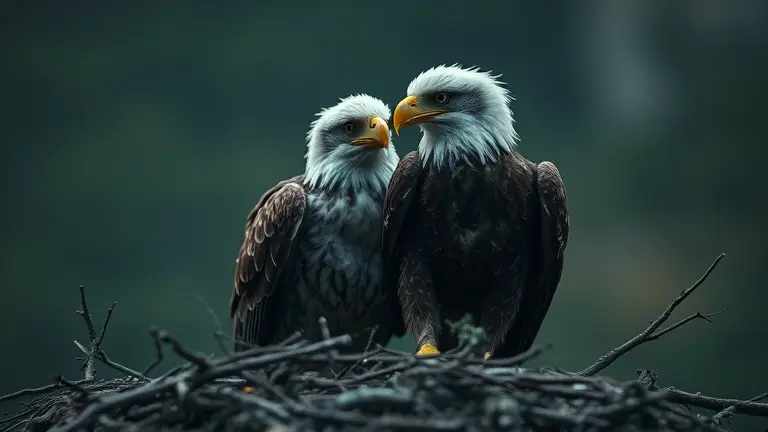
In April 2026, a wave of collective sorrow swept across the nation following the tragic news that two bald eaglets, rescued from the aftermath of devastating storms in Gulf Shores, Alabama, had to be humanely euthanized. These young raptors, symbols of our national pride and resilience, were discovered in the wreckage of their nest, victims of a violent weather system that reshaped the local landscape in mere moments. The emotional resonance of this loss has been profound, prompting thousands to seek answers about the fragility of our wildlife and the difficult decisions faced by those who dedicate their lives to protecting it.
While the story of the eaglets euthanized by the Auburn University Raptor Center is undeniably heartbreaking, it serves as a critical entry point for understanding the complex reality of wildlife veterinary ethics. When nature turns destructive, our human response often oscillates between helplessness and a desperate desire to interfere. However, as the experts in Alabama demonstrated, the most compassionate path is often the one dictated by the harsh, unyielding requirements of the animal’s physical recovery and its future ability to exist as a wild, apex predator.
This article explores the medical protocols, the realities of wildlife rehabilitation during storm seasons, and the broader context of bald eagle conservation. Beyond the sadness of this specific tragedy lies an opportunity for us all: to transition from passive observers of environmental loss to active participants in environmental stewardship. By understanding the vulnerabilities our local raptors face, we can begin to take tangible, constructive steps to reinforce their habitats against the growing challenges of our changing climate.
Understanding the Auburn Raptor Center Eaglet Tragedies
In mid-April 2026, a tragic incident involving two bald eaglets captured national attention, highlighting the unpredictable dangers wildlife face during severe weather events. Following powerful storms that devastated the Gulf Shores region of Alabama in March 2026, the two eaglets were discovered in the wreckage of their destroyed nest. Rescuers quickly transported the birds to the Auburn University Raptor Center, a facility renowned for its expertise in avian rehabilitation. Despite the intensive medical interventions attempted by veterinary staff, the public was heartbroken to learn that the eaglets were euthanized due to the catastrophic nature of the injuries sustained during the storm.
The Medical Reality of Wildlife Rehabilitation
The decision to humanely euthanize these birds was not made lightly and reflects the difficult ethical standards upheld by wildlife professionals. When a bird of prey—especially an apex species like the bald eagle—sustains trauma from a nest collapse, the injuries are often complex, involving multi-system damage that prevents the possibility of a return to the wild. The experts at the Auburn University Raptor Center evaluated several critical factors before reaching their final assessment:
- Irreparable Physical Trauma: In many storm-related cases, eaglets suffer from severe internal hemorrhaging, complex fractures, or spinal injuries that cannot be surgically corrected for a life in the wild.
- Quality of Life Standards: Wildlife medicine focuses on the animal’s ability to hunt, migrate, and engage in species-specific behaviors. If a bird cannot thrive independently, permanent captivity is often considered, but only if the animal is not suffering.
- Ethical Veterinary Responsibility: When professional diagnostics indicate that pain cannot be managed and functional recovery is impossible, humane euthanasia is deemed the most compassionate course of action to prevent prolonged suffering.
This event serves as a somber reminder of the high stakes involved in wildlife conservation. While the loss of these two eaglets was deeply felt across the country, the specialized care provided by the Auburn team remains a testament to the dedication required to protect the bald eagle population in Alabama. Understanding the “why” behind such decisions helps the public appreciate the rigorous, science-based protocols that guide modern wildlife veterinary care.
Veterinary Criteria: Why Euthanasia Is Sometimes the Only Choice
When high-profile cases involving eaglets euthanized occur, such as the tragic incident involving the Auburn University Raptor Center, it often leaves the public questioning why medical intervention could not save them. In the field of wildlife veterinary medicine, the decision to euthanize is never taken lightly. It is guided by strict ethical standards that prioritize the animal’s welfare over the human desire for recovery. Wildlife veterinarians must operate under the philosophy that for a raptor to have a successful life, it must be capable of fulfilling its biological purpose—namely, flying, hunting, and surviving in the wild without human assistance.
Medical Standards for Wildlife Rehabilitation
The assessment of an injured bird of prey involves a rigorous examination of both immediate physical trauma and long-term prognosis. Experts evaluate several critical factors before determining if an animal can be rehabilitated:
- Ability to Thrive: If an injury, such as a compound fracture or neurological damage, prevents a bird from flight or efficient hunting, it can never be released.
- Quality of Life and Pain: Veterinarians assess the bird’s ability to move without chronic pain. If an animal cannot move comfortably or requires constant human intervention to eat or groom, its quality of life is considered compromised.
- Behavioral Integrity: For a raptor to remain a wild animal, it must retain its natural fear of humans. If a patient requires long-term, intensive care, it often becomes habituated, rendering it unsuitable for reintroduction into the wild.
In the unfortunate case of the Gulf Shores eaglets, the severity of the injuries sustained during the storm destroyed their chances of living a pain-free, independent life. When a creature cannot be returned to its natural environment, or when its suffering cannot be mitigated by medical procedures, humane euthanasia serves as the most compassionate, final act of care. By adhering to these ethical criteria, organizations like the Auburn University Raptor Center ensure that they are acting in the best interest of the individual animal, upholding the integrity of wildlife conservation practices.
The Critical Role of Wildlife Rehabilitation During Storm Seasons
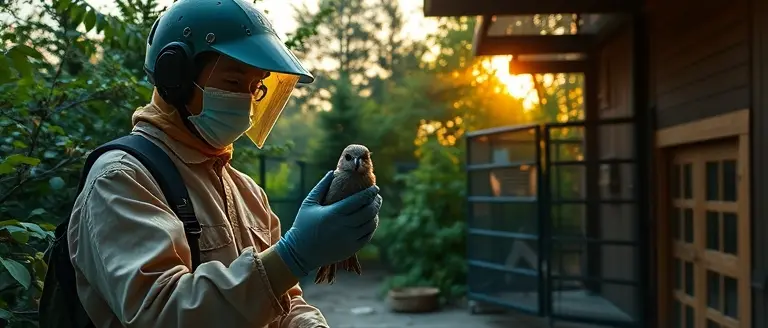
The recent tragedy involving eaglets euthanized after a devastating storm in Gulf Shores serves as a somber reminder of the vital, high-stakes work performed by institutions like the Auburn University Raptor Center. During the intense storm seasons characteristic of the American Southeast, wildlife rehabilitation centers become the first line of defense for displaced and injured animals. These facilities operate with specialized resources designed to address the unique trauma associated with natural disasters, where wind damage and structural collapse often lead to critical injuries for raptors and other wildlife.
Logistics of Emergency Wildlife Rescue
When a catastrophic weather event occurs, the logistical burden on rehabilitation centers is immense. The process requires a rapid response from specialized teams capable of navigating dangerous debris to perform triage on site. Key elements of this emergency infrastructure include:
- Rapid Triage and Stabilization: Veterinarians must perform immediate assessments to determine if an animal can survive transport and recovery.
- Specialized Veterinary Care: Centers require advanced imaging, surgical suites, and long-term care enclosures to treat complex fractures and internal trauma.
- Ecological Monitoring: Tracking the health of local wildlife populations following severe weather helps experts understand the broader impact of climate patterns on sensitive species like the bald eagle.
Managing High-Profile Conservation Cases
Wildlife experts often face the heart-wrenching reality that not all survivors can be rehabilitated for release. When centers must make the decision to have eaglets euthanized, it is never a choice made lightly; it is based on strict veterinary ethics that prioritize the mitigation of suffering over the preservation of life at all costs. The expertise provided by the Auburn University Raptor Center ensures that these tough calls are grounded in medical evidence. By maintaining these specialized centers, communities provide a safety net for local ecosystems, ensuring that even when tragedy strikes, there is a professional effort to provide comfort, care, and clarity for the public during difficult times.
Alabama’s Bald Eagle Population: Challenges and Conservation Efforts
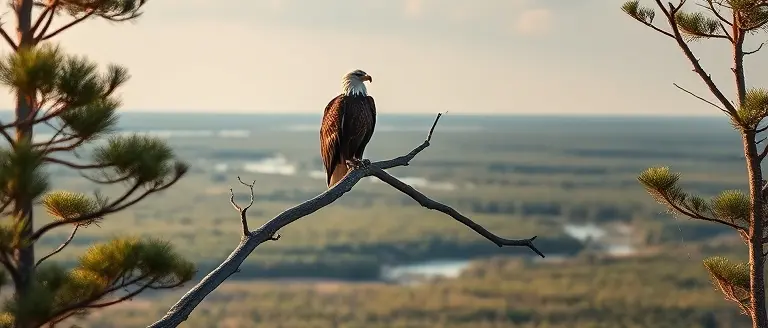
While the news regarding the eaglets euthanized in April 2026 served as a heartbreaking reminder of the fragility of wildlife, it also underscored the critical role that organizations like the Auburn University Raptor Center play in the state’s broader ecological health. Alabama’s bald eagle population has seen a remarkable recovery since the species was removed from the endangered list, yet they remain vulnerable to environmental shifts. The Gulf Coast region, in particular, faces increasing pressure from severe weather patterns, which can destroy nesting sites and displace vulnerable hatchlings. When incidents like the Gulf Shores nest destruction occur, the data gathered by veterinary professionals provides vital insights into how extreme weather affects the survival rates of raptors in the Southeast.
Protecting Raptors in a Changing Climate
Conservationists are currently focusing on multifaceted strategies to mitigate the impact of climate-driven environmental changes on bald eagle habitats. Monitoring efforts are no longer just about tracking population numbers; they now include habitat restoration and the implementation of early-warning systems for storm-prone coastal areas. Key conservation priorities include:
- Habitat Resilience: Strengthening the structural integrity of nesting sites and preserving old-growth timber that provides safe perches.
- Rapid Response Protocols: Improving coordination between local storm-response agencies and wildlife rescue centers to ensure faster intervention when nests are damaged.
- Public Awareness: Educating the community on reporting injured birds, which ensures that professionals can perform timely medical assessments rather than leaving wildlife to suffer in the wild.
The loss of these specific eaglets has sparked a necessary conversation about the balance between nature and human intervention. By analyzing the medical outcomes of rescued raptors, scientists can better understand the physical tolls of storm events. This data helps conservationists advocate for policies that protect the coastal regions these magnificent birds call home, ensuring that while individual losses are deeply felt, the species continues to thrive across the Alabama landscape.
Building a Resilient Future for Our Local Wildlife
The tragedy of the lost eaglets underscores a somber reality: while we cannot dictate the path of powerful storms, we are far from powerless when it comes to the safety of our local bird populations. Every lost nest is a reminder that nature is fragile, but our proactive efforts to provide stable, secure habitats can significantly improve the odds for the next generation of raptors. By transforming our concern into action, we move from being observers of tragedy to architects of recovery.
This is where ‘Conservation-Minded Crafting’ makes a tangible difference. Rather than hoping for the best, you can empower yourself to build professional-grade, durable nesting platforms and wildlife shelters that offer far superior protection than what birds find in the wild. Ted’s Woodworking provides the precision-engineered plans you need to create these vital structures, turning your hobby into a meaningful contribution to your local environment. It is the most direct way to support your regional ecosystem and ensure that more birds have a safe place to weather the storms.
Don’t wait for the next storm to wish you had done more. You have the tools to make a permanent impact on the wildlife in your own backyard right now. By choosing professional, durable designs, you provide a life-saving layer of security that nature desperately needs. Join a community of makers dedicated to conservation-minded building and secure your access to thousands of plans designed to create lasting change.

Start your own wildlife conservation project today by choosing from thousands of professional plans designed to build durable, safe habitats for your local environment.
Yes, I Want to Build for Conservation!