

The clay-court season is often defined by the dominance of established stars, yet the 2026 BMW Open delivered a moment that reminded everyone why tennis remains so unpredictable. When top-seeded Alexander Zverev stepped onto the court in Munich, the crowd expected a routine march toward the title for their home favorite. Instead, they witnessed a tactical revolution as Italian rising star Flavio Cobolli delivered a performance that dismantled the defending champion’s momentum, sending shockwaves through the ATP tour.
This match was far more than a simple upset; it was a masterclass in modern tennis strategy. While Zverev struggled to maintain his footing under the pressure of home expectations, Cobolli played with a fearless precision that exposed the vulnerabilities of the top seed. For fans and analysts alike, this result poses a critical question: how do elite athletes maintain their mental edge when the game demands near-perfect cognitive processing speed under the most intense scrutiny?
In this deep dive, we explore how Flavio Cobolli out-maneuvered Zverev and what this surprising loss reveals about the mental fortitude required to survive at the highest level of professional sports. Whether you are a dedicated fan or someone looking to optimize your own peak performance, the lessons from Munich extend far beyond the baseline.
Shock at the BMW Open: Flavio Cobolli Stuns Top-Seeded Alexander Zverev
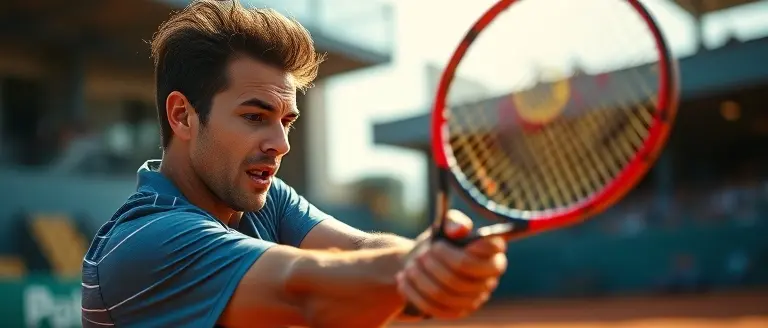
The 2026 BMW Open in Munich witnessed a seismic shift on April 18, as home favorite and top-seeded Alexander Zverev suffered a heartbreaking semi-final exit at the hands of rising Italian star Flavio Cobolli. Entering the tournament as the heavy favorite and defending champion, Zverev carried the weight of German expectations onto the clay court. However, the atmosphere quickly shifted from anticipation to stunned silence as Cobolli executed a masterclass in tactical aggression, effectively neutralizing Zverev’s trademark baseline power and exposing vulnerabilities in the German’s defensive transition.
Tactical Breakdown: How the Upset Unfolded
The match dynamics centered on Cobolli‘s ability to dictate play from the corners. While Zverev struggled to find his rhythm, the Italian prospect displayed exceptional composure, particularly with his backhand. Analysts noted several key factors that led to the tournament’s biggest upset:
- Backhand Efficiency: The defining moment of the semi-final was a viral backhand stunner from Cobolli that left Zverev stranded, signaling a tactical blueprint for exploiting the top seed’s movement.
- Pressure Management: Despite the raucous home crowd supporting Zverev, the young Italian maintained high first-serve percentages and refused to yield under sustained pressure.
- Court Positioning: Cobolli consistently pushed Zverev deeper behind the baseline, preventing the German from stepping in to control the tempo of the rallies.
This victory is more than a one-off result; it serves as a wake-up call for Zverev as he navigates the remainder of the European clay-court swing. For Cobolli, the win reinforces the growing dominance of the Italian tennis contingent, proving that he possesses the grit and technical refinement to topple top-ranked ATP players. As the dust settles in Munich, the tennis world is now left to wonder if this performance marks the beginning of a sustained breakout for the young Italian or merely a temporary stumbling block for the defending champion during a high-stakes home tournament.
Tactical Breakdown: How Cobolli Dismantled Zverev’s Defenses

The 2026 Munich Open semi-final between Alexander Zverev and Flavio Cobolli serves as a masterclass in tactical disruption on clay. While Zverev entered the match as the heavy favorite and defending champion, Cobolli successfully neutralized the German’s baseline dominance by employing a high-intensity, aggressive return strategy. By standing closer to the baseline than most opponents, Cobolli effectively shortened the reaction time for Zverev’s formidable serve, forcing the top seed into uncomfortable second-serve positions that disrupted his rhythm from the very first game.
Exploiting the Court Geometry
Cobolli’s movement on the clay was arguably the deciding factor in the match. Rather than engaging in purely vertical rallies, the Italian prospect constantly shifted the court’s geometry, drawing Zverev into wide, lunging defensive positions. This tactical approach limited Zverev’s ability to control the pace of the rallies, leading to the following key developments:
- Neutralizing the Serve: Cobolli’s proactive stance prevented Zverev from securing free points, forcing the home favorite to overcook his groundstrokes under pressure.
- Backhand Sequences: Cobolli targeted the Zverev backhand with heavy topspin cross-court shots, eventually creating the space needed to attack the line.
- The Momentum Shift: The turning point occurred when Cobolli unleashed his viral backhand stunner—a technical sequence that left the crowd—and the defending champion—stranded, shifting the psychological momentum decisively in the Italian’s favor.
This result highlights a growing maturity in Cobolli’s game, specifically his composure during high-stakes exchanges. By successfully dismantling Zverev’s defensive wall, Cobolli proved that aggressive court coverage and varied ball speed are the primary keys to overcoming the world’s elite players on the dirt. For Zverev, the loss serves as a tactical wake-up call, emphasizing the need for more adaptable baseline strategies as the ATP season progresses toward the summer majors.
The Italian Wave: Rising Stars Reshaping the ATP Tour

The stunning victory of Flavio Cobolli over Alexander Zverev at the 2026 Munich Open serves as a definitive marker of the current Italian dominance in men’s tennis. While the established guard often relies on brute force and high-percentage baseline grinding, this new generation of Italian players—spearheaded by the likes of Cobolli and his contemporaries—brings a tactical fluidity that is increasingly dismantling the traditional hierarchy of the ATP Tour. Cobolli’s ability to neutralize Zverev’s serve and dictate play with a stinging backhand highlights a shift in how rising prospects approach elite opposition, moving away from defensive passivity toward calculated, high-risk aggression.
Tactical Versatility and the Italian Blueprint
The success of players like Cobolli suggests a deeper systemic evolution within the Italian training infrastructure. Unlike the previous era of baseline specialists, this cohort possesses a unique hybrid style that combines heavy clay-court spin with the ability to transition seamlessly to the net. Against Zverev, Cobolli demonstrated three critical tactical advantages:
- Shot Variety: By utilizing acute angles and varying the depth of his groundstrokes, Cobolli consistently pulled the top-seeded German out of his comfort zone.
- Backhand Precision: The viral backhand stunner that left Zverev stranded in the semi-finals was no fluke; it is indicative of a technical refinement aimed at exploiting the wider gaps in Zverev’s defensive reach.
- Mental Fortitude: Facing a home favorite and a defending champion required a composure rarely seen in players of his age, marking a major milestone in his professional development.
This result in Munich forces a re-evaluation of the current ATP power dynamics as we transition further into the clay-court season. For Zverev, the loss is a sobering reminder that the gap between established top-10 players and hungry, tactically disciplined newcomers is closing rapidly. For the Italian contingent, the win confirms that their “wave” is not merely hype but a sustainable challenge to the status quo, setting the stage for future deep runs in prestigious tournaments where tactical intelligence is valued as much as sheer physical output.
Impact on the Season: Zverev’s Path Forward Post-Munich

The unexpected exit of Alexander Zverev at the 2026 Munich Open serves as a critical inflection point for his spring campaign. As the defending champion and local favorite, Zverev’s loss to Flavio Cobolli in the semi-finals was more than just a statistical upset; it signaled a tactical vulnerability that opponents are increasingly looking to exploit on clay. While Zverev remains a top-tier contender, this defeat highlights the psychological pressure of competing in front of a home crowd, where expectations often collide with the rising standard of younger talent. The efficiency with which Cobolli dismantled Zverev’s rhythm suggests that the German must recalibrate his defensive consistency and court positioning to avoid similar setbacks in upcoming high-stakes events.
Strategic Adjustments for the Clay-Court Swing
Moving forward, Zverev’s coaching team will likely focus on neutralizing the aggressive baseline play that defined the Cobolli vs. Zverev match. The Italian’s ability to dictate play with his backhand served as a blueprint for attacking Zverev’s deep-court defensive style. To regain momentum, Zverev must emphasize the following areas:
- Aggressive Court Positioning: Reducing the time he spends behind the baseline to prevent opponents from dictating the point with short-angle winners.
- Second-Serve Reliability: Strengthening his second serve to avoid giving aggressive returners like Cobolli easy opportunities to seize control of the rally.
- Mental Reset: Learning to manage the high-intensity atmosphere of home tournaments to ensure consistency during long, three-set encounters.
This result does not diminish Zverev’s stature as an elite player, but it serves as a necessary wake-up call. As the tour transitions toward the year’s major clay-court showcases, the depth of the field—highlighted by the rapid ascent of players like Flavio Cobolli—means that there is no margin for error. Zverev’s path to a major title will now depend on his ability to blend his trademark physical endurance with a more proactive tactical approach when facing the new generation of ATP challengers.
Unlock Your Own Competitive Edge
The match in Munich serves as a stark reminder that even the most talented athletes can fall when their mental focus wavers under extreme pressure. Much like the elite focus required for Flavio Cobolli to execute that viral backhand, maintaining peak cognitive function is exactly what separates high-achievers from the rest of the pack in any competitive arena. When the margin for error is razor-thin, it is your ability to stay sharp, process information rapidly, and eliminate mental fog that determines whether you win or lose.
You don’t need to be a professional tennis player to experience the benefits of a heightened, optimized mind. The Brain Song offers a neuroscience-backed pathway for those who demand more from their cognitive performance. By addressing the neurological foundations of focus, this tool acts as your personal competitive advantage, helping you maintain clarity and endurance during your most challenging daily tasks, just as the pros strive to do on the court.
Don’t let mental fatigue or lack of focus dictate your results. Whether you are aiming to dominate in business, academics, or your personal projects, applying the same precision used by elite athletes is the next logical step in your growth. It is time to sharpen your mental edge and start performing at your peak capacity.

Discover the 12-minute auditory routine elite performers use to sharpen their focus and eliminate mental fatigue.