
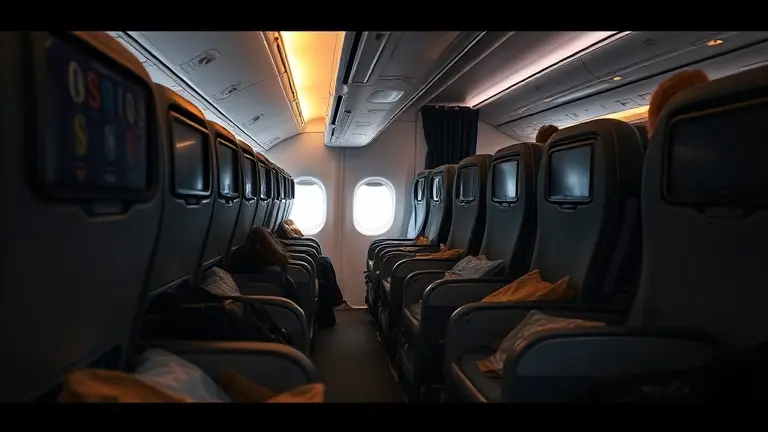
The airline industry is a complex ecosystem, constantly reshaped by technological advancements, economic fluctuations, and strategic maneuvers. From innovative passenger comforts like Air New Zealand’s ‘Skynest’ designed to alleviate the tedium of ultra-long-haul flights, to the persistent economic pressures from volatile fuel prices that dictate fare structures and ancillary fees, travelers face a dynamic landscape. This period is further defined by the potential for major industry consolidation, such as the speculated merger between United and American Airlines, sparking crucial conversations about market competition and antitrust regulations. As airlines adapt to these forces, they sometimes grapple with operational challenges, leading to route adjustments and, in unfortunate cases, bankruptcies, which necessitates a clear understanding of passenger rights and available support.
Passengers are increasingly seeking more than just transportation; they desire comfort, predictability, and value. The introduction of amenities like bunk beds in economy by Air New Zealand highlights a push towards enhancing the long-haul experience, addressing the physical demands of extended travel. However, this innovation exists alongside the stark economic realities that impact every flight. Fluctuating fuel costs remain a dominant factor, directly influencing ticket prices, baggage fees, and the very viability of certain routes. The push for greater transparency in how these costs are managed, and whether savings are passed on to consumers during periods of lower fuel prices, continues to be a significant point of discussion.
Furthermore, the spectre of industry consolidation looms large. The potential merger of two major carriers could fundamentally alter the competitive landscape, raising questions about market concentration, antitrust laws, and the ultimate impact on consumer choice and affordability. Understanding these multifaceted dynamics—from the cutting edge of cabin innovation to the bedrock of economic pressures and regulatory oversight—is crucial for anyone navigating the modern world of air travel. This article delves into these critical aspects, offering insights into the challenges and opportunities shaping the airline industry today and what they mean for the traveler.
The Current Landscape of the Airline Industry: Innovation, Economics, and Consolidation

The airline industry is navigating a complex period marked by significant innovation, intense economic pressures, and strategic consolidation discussions. A prime example of industry innovation comes from Air New Zealand, which is pioneering comfort solutions for economy passengers on its longest flights with the introduction of “Skynest” bunk beds. This development aims to redefine the passenger experience on ultra-long-haul routes, offering a novel approach to rest and alleviating the discomfort associated with extended travel times. While this innovation focuses on enhancing passenger comfort, other economic realities are shaping the airline landscape.
Fluctuating fuel prices continue to exert considerable influence over operational costs and, consequently, airfares, fuel surcharges, and baggage fees. This volatility necessitates constant adjustments by airlines, leading to an ongoing public discourse about the transparency and fairness of fare structures, with many calling for airlines to pass on savings when fuel costs decrease. Simultaneously, the industry is abuzz with speculation about significant consolidation. Discussions surrounding a potential merger between United Airlines and American Airlines have surfaced, prompting scrutiny regarding antitrust implications, market concentration, and the potential impact on consumer choice and fare levels.
These economic and strategic pressures also contribute to operational challenges for some airlines. Recent route cancellations, such as Norse Atlantic Airways’ decision to cease its Los Angeles service due to the global fuel crisis, underscore the financial vulnerabilities faced by carriers. For travelers, these operational shifts, coupled with the perennial concern of airline insolvency, highlight the importance of understanding passenger rights and available recourse. The dynamic nature of the airline sector demands vigilance from both industry players and consumers alike.
Air New Zealand’s ‘Skynest’: A New Era for Economy Class Comfort?
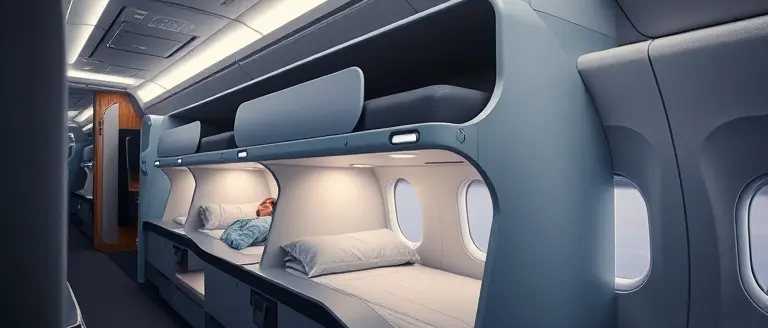
Air New Zealand’s introduction of the “Skynest” – a revolutionary bunk bed system for economy class passengers on its longest flights – represents a significant innovation aimed at transforming the ultra-long-haul travel experience. This novel concept moves beyond incremental improvements, offering dedicated sleeping pods designed to combat the fatigue associated with flights exceeding 17 hours. The airline’s vision is to provide a more restful journey, potentially setting a new benchmark for economy class comfort and challenging traditional perceptions of in-flight rest. However, the practical implementation and passenger reception will be crucial to its success.
The operational feasibility and cost-effectiveness of the Skynest are key considerations for Air New Zealand. While the concept promises enhanced passenger well-being, it introduces complexities in cabin layout, service provision, and revenue management. Passengers utilizing the Skynest will likely face specific restrictions, such as limitations on food consumption and the duration of stay, designed to ensure fair access and maintain cabin order. These trade-offs – reduced personal space and potential limitations on amenities in exchange for a dedicated sleeping area – will need to be carefully balanced against the perceived value to the traveler. The airline’s strategy will likely involve a tiered pricing model, positioning the Skynest as a premium add-on for economy travelers seeking a more comfortable journey.
Ultimately, the success of Air New Zealand’s Skynest will hinge on its ability to deliver a genuinely improved passenger experience that justifies the associated costs and potential compromises. Early reports and passenger feedback will be vital in assessing whether this bold initiative redefines long-haul economy class travel or remains a niche offering. It prompts a broader question for the airline industry: are passengers willing to embrace such innovative, albeit restrictive, solutions for extended flights, and can these amenities be integrated sustainably into airline business models? The initiative underscores a growing demand for greater comfort in all travel classes, pushing the boundaries of what’s possible in aircraft cabin design.
The Tangible Impact of Fuel Prices on Airline Fares and Fees
The cost of jet fuel is a significant and volatile component of an airline‘s operating expenses, directly influencing the fares consumers pay. As global oil prices fluctuate, so too do the financial models of carriers, leading to tangible impacts on ticket prices, ancillary fees, and overall travel budgets. Historically, spikes in fuel costs have been swiftly translated into higher base fares, the introduction or increase of fuel surcharges, and even adjustments to baggage fees. This direct correlation means that travelers often bear the brunt of escalating energy prices. For instance, a sustained rise in crude oil prices can compel airlines to implement immediate fare hikes to maintain profitability, particularly on longer routes where fuel consumption is substantial.
The inverse, however, has not always been as consistently applied. While lawmakers and consumer advocates frequently urge airlines to pass on savings when fuel costs decline, evidence suggests this practice is not always as prompt or as significant as a price increase. The economic pressure on airlines remains high, even when fuel prices dip, due to other fixed and variable costs. Nevertheless, increased transparency and public expectation are driving a closer examination of this relationship. The current environment necessitates a deeper understanding of how these price dynamics affect traveler planning and the overall accessibility of air travel.
Several key areas demonstrate this tangible impact:
- Base Fares: The most direct consequence of fuel price volatility is seen in the base ticket price. When fuel costs rise, airlines often adjust their fare structures accordingly, sometimes making incremental increases across various fare classes.
- Fuel Surcharges: Many airlines utilize specific fuel surcharges, which can be more readily adjusted than base fares. These surcharges act as a direct pass-through mechanism for energy cost changes.
- Baggage Fees: While not always directly tied to fuel, airlines may use increases in ancillary fees, such as baggage charges, as a way to offset broader operational cost pressures, which are heavily influenced by fuel expenses.
- Route Viability: For airlines operating on thinner margins or niche routes, significant fuel price increases can render certain routes economically unsustainable, leading to cancellations, as seen with Norse Atlantic Airways.
The economic pressure from fluctuating fuel prices underscores the complex financial ecosystem of the airline industry and its direct link to consumer expenditure.
United and American Airlines Merger: Antitrust Concerns and Consumer Repercussions
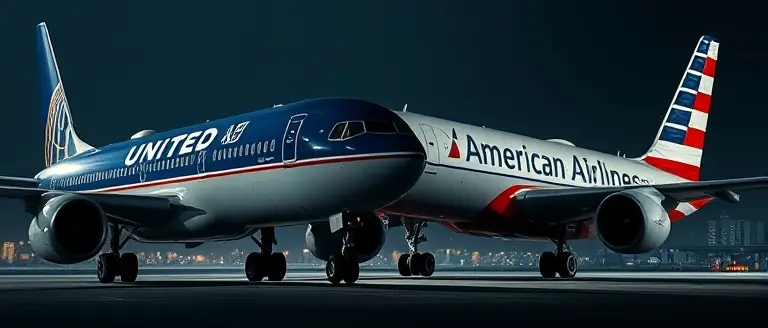
The prospect of a merger between United Airlines and American Airlines raises significant antitrust concerns and could profoundly impact consumers. Such a consolidation would create an even larger entity in an already concentrated airline industry, potentially reducing market competition. Historical precedents from previous airline mergers suggest that increased market share for a combined airline can lead to fewer choices for travelers. This dynamic is closely scrutinized by regulatory bodies like the Department of Justice and the Federal Trade Commission, tasked with safeguarding consumer welfare and preventing monopolistic practices. The economic pressures faced by airlines often drive such discussions, but the primary focus for regulators will be the potential for diminished competition and its downstream effects.
Potential Consumer Repercussions
The implications for consumers under a merged United-American Airlines entity are multifaceted. Evidence from past consolidations suggests a strong likelihood of increased airfares as the combined airline faces less pressure from competitors. Route availability could also be affected; airlines might prune less profitable routes or reduce flight frequencies in markets where the merged entity now holds a dominant position, limiting travel options for many. Beyond pricing and availability, the quality of service might see a decline as competition wanes. Airlines may feel less incentive to innovate or improve customer service standards when faced with a reduced competitive landscape.
- Fare Increases: Reduced competition often translates to higher ticket prices for consumers.
- Route Reductions: Less profitable routes may be eliminated, impacting smaller markets and specific travel corridors.
- Service Quality Decline: A lack of competitive pressure could lead to a decrease in customer service standards and onboard amenities.
- Limited Choices: The diversity of airline offerings and loyalty programs might shrink, offering fewer distinct options for travelers.
The airline industry‘s complex operational environment, coupled with the ongoing debates about market consolidation, makes any potential merger between major players like United and American a subject of intense public and regulatory interest. The ultimate impact on consumers will depend heavily on the scrutiny applied by antitrust enforcers and the concessions, if any, agreed upon by the airlines involved.
What to Do When an Airline Goes Bankrupt
The prospect of an airline filing for bankruptcy can be alarming, but passengers are not left without options. If an airline declares bankruptcy and ceases operations, your primary recourse for refunds depends on how you purchased your ticket. If you used a credit card, you can initiate a chargeback with your credit card company, explaining that the service (the flight) was not rendered. For other forms of payment, or if you have claims for additional expenses like hotel stays or alternative flights, you may need to file a claim with the bankruptcy court. The process can be lengthy, and recovery is not guaranteed, especially if the airline has limited assets. It’s advisable to document all communications, receipts, and booking details meticulously. Travelers should also be aware that DOT regulations may offer some protection, particularly regarding tickets purchased before the bankruptcy filing, ensuring that flights already in progress are completed if feasible.
Passenger Rights and Compensation
Beyond refunds, understanding other passenger rights is key. If an airline significantly delays a flight and you decide not to travel, you are still entitled to a refund for the unused portion of your ticket. For cancellations, airlines are expected to offer rebooking on their next available flight or a partner airline, at no additional cost. Compensation for delays or cancellations is not mandated by the DOT for all situations, but some airlines have their own policies for offering amenities or vouchers for inconvenience. For international flights, specific conventions like the Montreal Convention may provide additional protections and compensation for damages resulting from delays, cancellations, or lost baggage. It is always best to directly inquire with the airline about their specific policies and your entitlements during any disruption. Keep all documentation, including boarding passes, booking confirmations, and any communication with the airline.
Navigate Airline Complexities with Confidence
The airline industry, with its intricate web of innovations, economic volatilities, and potential consolidations, can often feel overwhelming for the average traveler. From understanding fluctuating fares influenced by fuel prices to navigating the uncertainty of cancellations or even airline insolvency, the journey from booking to arrival requires a keen awareness of one’s rights and options. Just as aspiring woodworkers can feel daunted by complex projects, the intricacies of airline policies and potential disruptions can seem daunting. Fortunately, clear, reliable guidance can transform potential frustration into assured success, much like well-structured plans demystify challenging DIY endeavors.
This is where the power of expert knowledge and accessible resources becomes invaluable. When faced with the complexities of the airline world—whether it’s deciphering fare changes, understanding the impact of industry mergers, or seeking recourse after a flight disruption—having a trusted guide can make all the difference. It’s about empowering yourself with the information and strategies needed to navigate these challenges effectively, ensuring that your travel plans remain on track and your consumer rights are protected. This approach mirrors the satisfaction of completing a complex woodworking project, where detailed plans and a clear methodology lead to a successful outcome.
Consider the parallels with Ted’s Woodworking: embarking on a large woodworking project can seem intimidating, filled with potential pitfalls. Yet, with comprehensive, step-by-step plans, even the most complex designs become manageable, leading to a sense of accomplishment and a tangible result. Ted’s Woodworking offers exactly that: clarity, structure, and a proven path to success, mitigating the common frustrations and uncertainties that often plague DIY enthusiasts. This same principle applies to navigating the airline industry. By providing accessible, actionable advice, we can help you approach travel challenges with the same confidence and assuredness, turning potential stress into a streamlined, successful experience.

Explore how structured guidance can empower you in complex situations. Learn from successful approaches that simplify challenges, just as Ted’s Woodworking transforms DIY projects into foolproof experiences.