
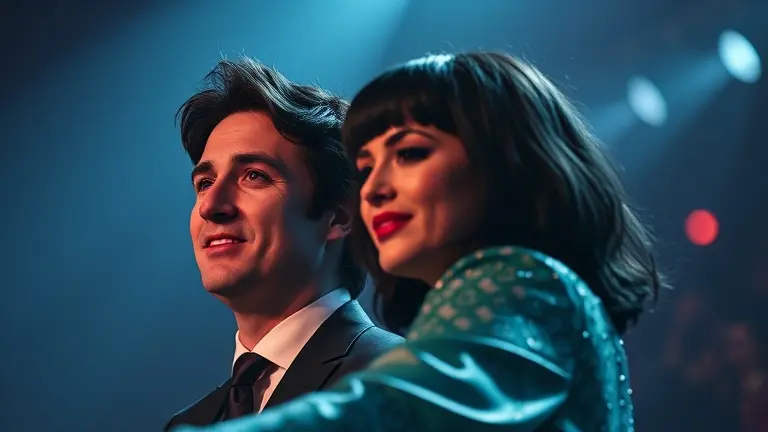
In the vast, interconnected web of modern digital information, it is not uncommon for search engines to generate unexpected links between global figures. Recently, curiosity has peaked regarding a supposed connection between Canadian Prime Minister Justin Trudeau and American pop superstar Katy Perry. While these searches may seem to suggest a hidden story or a newsworthy development, they are largely the result of complex, automated algorithms rather than genuine current events.
Navigating today’s media environment requires more than just passive observation; it demands a discerning eye capable of filtering out the noise of ‘phantom trends.’ When unrelated public figures are grouped together by search engines, it often stems from historical data points—such as shared appearances at major international forums—being misinterpreted by modern indexing systems as a contemporary, active relationship.
Understanding this phenomenon is crucial for maintaining media literacy in the digital age. By recognizing how algorithmic associations create the illusion of news, we can better protect ourselves from misinformation and focus on the information that truly matters. This article dives into the mechanics of these digital ghosts and explores how maintaining cognitive clarity allows us to cut through the clutter of clickbait, ensuring we remain grounded in fact rather than speculation.
Clarifying the Justin Trudeau and Katy Perry ‘Connection’ Rumors

In recent weeks, digital search trends have highlighted an uptick in queries linking Justin Trudeau and Katy Perry. As of April 2026, it is essential to clarify that there is no verified, contemporary connection, professional collaboration, or personal relationship between the Canadian Prime Minister and the American pop icon. The recent surge in interest regarding these two public figures appears to be a “phantom trend”—a phenomenon where search algorithms and social media speculation create the illusion of a story where none exists. Reliable news outlets and official government records confirm that these two individuals have had no documented interaction or intersection in the current year.
Historical Context and Digital Misattribution
The confusion often stems from the tendency of search engines to aggregate historical data. The primary, and likely only, public intersection between these two figures occurred nearly a decade ago at the 2017 Global Citizen Festival in Hamburg, Germany. During this major international event, both Justin Trudeau and Katy Perry were in attendance as high-profile guests, participating in separate capacities to advocate for global humanitarian causes.
Archival photos and press releases from 2017 frequently feature both names in the same editorial context, which contributes to current confusion. Because these figures occupy significant space in internet databases, search algorithms may mistakenly pair them when users search for high-profile public figures simultaneously. It is important to note:
- No Current News Cycle: There are no breaking stories, joint projects, or public sightings involving both individuals in 2026.
- Archival Overlap: Any digital traces of their “connection” are limited to the 2017 Global Citizen Festival.
- Algorithmic Misinterpretation: The modern search interest is a byproduct of historical data points rather than a reflection of real-world events.
By understanding how celebrity-politician co-occurrence in public forums is indexed, readers can better distinguish between verified journalism and speculative digital noise. There is zero evidence to support any claims of an active association between Justin Trudeau and Katy Perry today.
How Search Algorithms Create ‘Phantom Trends’

In the digital age, users often encounter search suggestions that imply a connection between unrelated public figures, such as Justin Trudeau and Katy Perry. While curious observers might interpret these linked queries as evidence of a burgeoning news story, the reality is frequently rooted in the mechanical nature of search algorithms. Modern search engines and social media platforms rely on high-volume metadata and historical event tagging to categorize content. When two high-profile individuals appear at the same large-scale event, such as their shared attendance at the 2017 Global Citizen Festival, their names become tethered within the web’s vast archival infrastructure. Over time, these dormant data associations can resurface, leading algorithms to suggest a relationship that does not exist in a contemporary context.
The Mechanics of Algorithmic Association
These “phantom trends” gain momentum through a combination of machine learning and user behavior. When search volumes spike—perhaps triggered by a viral archival image or a user misremembering a historical event—the algorithm interprets the surge as a sign of current relevance. It then pushes the association to the forefront, creating a self-reinforcing feedback loop. Factors contributing to these erroneous trends include:
- Co-occurrence Metadata: Systems prioritize entities that have been indexed together in news reports, event databases, or social media captions.
- Historical Proximity: Databases may surface long-buried connections if the search volume for one entity suddenly influences the suggested content for another.
- User-Driven Curation: When individuals click on a linked query, the algorithm confirms the association as “interesting,” prompting it to appear more frequently for others.
Ultimately, this phenomenon illustrates the limitations of automated systems in discerning between past professional appearances and current interpersonal relationships. By grouping Justin Trudeau and Katy Perry based on their shared historical footprint, the digital ecosystem inadvertently fuels confusion. For the savvy media consumer, it is essential to distinguish between a trending keyword sequence and actual verified, modern reporting. Understanding that algorithms prioritize engagement over chronological nuance is the first step in identifying when an online “story” is nothing more than a ghost in the machine.
The Role of Archival Data in Modern Media Consumption
In the digital age, the permanence of the internet often creates a disconnect between historical facts and contemporary perception. When users search for high-profile figures like Justin Trudeau and Katy Perry simultaneously, they are frequently met with fragmented results derived from archival databases rather than current events. Because these individuals shared space at public forums—most notably the 2017 Global Citizen Festival in Hamburg—search algorithms often index them together. Over time, these legacy data points are stripped of their original, time-bound context, leading modern users to erroneously infer a present-day connection or a budding narrative where none exists.
Why “Phantom Trends” Emerge in Search Algorithms
Search engines prioritize relevance and authority, but they struggle to interpret the nuances of chronology when content lacks explicit metadata. The phenomenon of linking unrelated celebrities and politicians often stems from several key factors:
- Contextual Decay: As images from 2017 are recirculated on social media platforms without updated captions or dates, they become “timeless” in the eyes of an algorithm, misleading audiences about current affairs.
- Database Overlap: Platforms that aggregate celebrity appearances store these names in the same data clusters. When thousands of users search for both names, the engine suggests a relationship that is based on frequency of association rather than factual news.
- The Echo Chamber Effect: Once an association appears in search suggestions, it generates more traffic, which in turn feeds the algorithm, perpetuating the cycle of “phantom trends.”
To maintain media literacy, it is critical for readers to verify the timestamp of the information they consume. What may appear to be a fresh headline is often merely a digital ghost of a past event, highlighting the importance of distinguishing between historical archival records and verified, breaking news. By understanding how platforms organize and surface this data, audiences can avoid the pitfalls of misinformation fueled by out-of-date digital footprints.
Media Literacy: Verifying Trending Topics in the Age of Misinformation

In an era where search engine algorithms often group public figures together based on historical archival data rather than contemporary relevance, users frequently encounter “phantom trends.” For instance, queries linking Justin Trudeau and Katy Perry often surge due to legacy metadata from shared public events—such as the 2017 Global Citizen Festival—rather than any current interaction. These algorithmic associations can inadvertently fuel misinformation, leading casual observers to assume a connection exists where none is present. Developing high-level media literacy is essential to distinguishing between genuine breaking news and these artifacts of digital storage.
Strategies for Fact-Checking Digital Trends
To avoid falling for manufactured narratives or misinterpreting search autocomplete suggestions, readers should adopt a rigorous verification framework. Relying on reputable, established news outlets is the primary defense against misinformation. When a trending topic appears questionable, consider the following actionable steps:
- Check Primary Timestamps: Always verify the publication date of viral content. Older images or headlines are frequently recirculated to create the illusion of current events.
- Cross-Reference Multiple Sources: If a claim involves a high-profile figure like Justin Trudeau, search for confirmation from mainstream journalistic organizations. If mainstream outlets are silent, the “trend” is likely based on speculation or algorithmic noise.
- Evaluate the Context of Associations: Understand that search engines index content based on co-occurrence. Just because two individuals, such as a pop star and a politician, appear in the same search result, it does not imply a professional or personal relationship.
- Identify the Source Bias: Determine if the site reporting the news is a verified news organization or an aggregator blog designed to capture traffic through clickbait headlines.
By shifting from passive consumption to active verification, you can navigate the digital landscape with greater authority. Remember that curiosity is the first step toward discovery, but skepticism is the necessary companion for maintaining an accurate understanding of public figures and global events.
Sharpen Your Focus Against Digital Noise
The journey through the digital landscape often feels like a navigation through a minefield of algorithmic noise. By dissecting the non-existent connection between Justin Trudeau and Katy Perry, we see clearly how easily our attention can be hijacked by phantom trends. Just as we must train our analytical skills to filter out historical misinformation from breaking news, we must also proactively optimize our cognitive health to maintain the clarity required to process today’s relentless stream of information.
Information overload often leads to mental fatigue, making it harder to discern facts from the background noise of the internet. To navigate this complexity, you need more than just skepticism—you need a heightened state of mental acuity. This is where The Brain Song becomes an essential tool for your daily routine. By utilizing neuroscience-based auditory stimulation, it acts as a cognitive filter, helping you cut through the “brain fog” of redundant data and improve your overall focus, ensuring your mind remains sharp, resilient, and ready to analyze what truly matters.
Don’t let the noise of the internet dampen your analytical potential. It is time to reclaim your mental clarity and strengthen your cognitive defenses against the distractions of the modern age. Elevate your focus, silence the irrelevant, and commit to the sharpness you deserve.
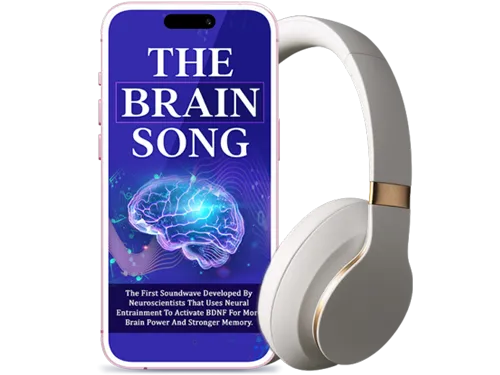
Reclaim your mental clarity from the noise of the internet; start your daily brain-optimization routine here.
Transform My Life Today