

The anticipation surrounding Sunrise on the Reaping has reached a fever pitch as fans of The Hunger Games collectively hold their breath for a first glimpse of the upcoming fifth installment. Following the massive success of The Ballad of Songbirds and Snakes, the spotlight has shifted to the 50th Hunger Games—the infamous Second Quarter Quell—and the origin story of the franchise’s most reluctant hero, Haymitch Abernathy. While the literary world has already engaged with Suzanne Collins’ latest masterpiece, the film adaptation remains the ultimate focal point for a fandom hungry for concrete details.
As we navigate the speculative landscape of April 2026, the conversation has moved far beyond simple rumors. Readers and cinephiles alike are now engaging in high-level analytical discourse, dissecting every available scrap of production news and lore to understand the magnitude of this cinematic expansion. The question on everyone’s mind isn’t just about who will step into the shoes of a young Haymitch; it is about how Lionsgate will interpret the most brutal and strategically complex Games in the history of Panem.
This article serves as your definitive master narrative. We are moving past the noise to provide a grounded, high-level analysis of what to expect from the 50th Games, the tactical brilliance of a young Haymitch, and the rigorous production timeline that will bring this dystopian vision to life. Prepare your focus as we delve into the core of the Second Quarter Quell.
The Road to ‘Sunrise on the Reaping’: From Novel to Cinema

The journey of Sunrise on the Reaping from a literary event to a cinematic blockbuster follows the successful blueprint established by previous entries in The Hunger Games franchise. When Suzanne Collins officially announced the fifth installment in 2024, the literary world turned its attention toward the March 18, 2025, release date. By exploring the 50th Hunger Games—the Second Quarter Quell—the novel provides a haunting look at a young Haymitch Abernathy, bridging a crucial gap in Panem’s history. Fans eagerly devoured the book, which set the stage for the inevitable transition to the big screen, reinforcing the enduring cultural impact of Collins’ dystopian vision.
From Literary Success to Production Status
Following the massive commercial success of The Ballad of Songbirds and Snakes, Lionsgate confirmed the development of the Sunrise on the Reaping film adaptation almost immediately after the book’s reveal. By April 2026, industry buzz reached a fever pitch, fueled by studio promotional cycles and widespread speculation regarding the lead cast. While a definitive sunrise on the reaping trailer has yet to be released, the current development status indicates that production teams are deep in the pre-production phase, meticulously planning the aesthetic transition from the written page to the visual medium.
Key milestones currently defining this transition include:
- The Creative Foundation: The novel’s focus on the Second Quarter Quell provides a dark, high-stakes narrative that aligns with the grounded, gritty tone established in the previous prequel.
- Casting Speculation: Community discourse on platforms like Reddit remains hyper-focused on identifying an actor capable of capturing Haymitch’s transition from a hopeful tribute to a traumatized victor.
- Production Timeline: Evidence suggests that Lionsgate is mirroring the accelerated yet high-quality production schedules that allowed for the successful rollout of recent franchise installments.
As we move deeper into the 2026 cycle, the anticipation for official casting announcements and behind-the-scenes glimpses continues to grow. This transition represents more than just a standard adaptation; it is a vital expansion of the Hunger Games lore, ensuring that the legacy of Panem continues to resonate with both long-time devotees and new audiences alike.
The 50th Hunger Games: What We Know About the Second Quarter Quell
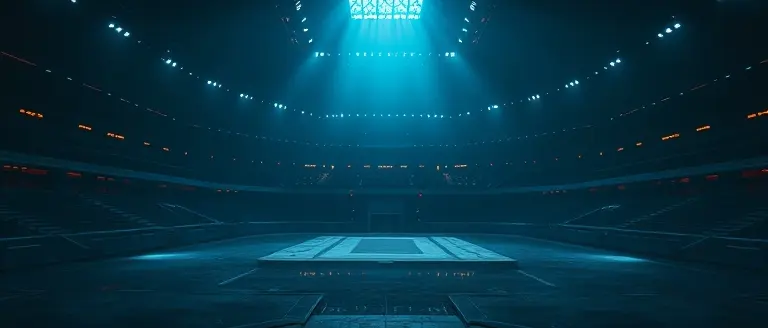
The 50th Hunger Games, also known as the Second Quarter Quell, stands as a pivotal moment in the lore of the Hunger Games franchise. While fans eagerly search for a sunrise on the reaping trailer, the true gravity of this event lies in its historical significance as the most brutal iteration of the Games before the 74th. Authorized by the Capitol every 25 years, the Second Quarter Quell introduced a sadistic twist designed to emphasize the Capitol’s absolute power: the requirement that twice the number of tributes be reaped from each district. Instead of the usual 24 participants, this arena featured 48 teenagers, effectively doubling the bloodshed and the psychological trauma inflicted upon the districts.
Why the 50th Games Define Haymitch Abernathy
Unlike the 74th Games, which saw Katniss Everdeen navigate a landscape of high-tech traps and manufactured drama, the 50th Games were defined by overwhelming numbers and a deceptive, beautiful arena. Readers of Suzanne Collins’ latest novel understand that this installment is not merely a prequel but a character study of a young Haymitch Abernathy. His victory was not just a matter of survival; it was a feat of strategic brilliance amidst an overwhelming disadvantage.
Key aspects that distinguish the Second Quarter Quell include:
- The Scale of Carnage: With 48 tributes, the initial bloodbath at the Cornucopia was significantly more chaotic and lethal than in previous years.
- The Deceptive Arena: The arena was described as a beautiful, floral paradise that masked a lethal, hostile environment designed to kill with precision.
- The Political Context: The 50th Games occurred during a time when the Capitol sought to solidify its dominance, making the victor’s journey particularly harrowing as they were forced to outthink and outlast twice the competition.
The structural impact of these Games is profound. Because the mortality rate was essentially doubled, the psychological scarring of the participants—and the eventual victor—was far deeper than that of standard Games. As production on the film adaptation progresses, audiences can expect the visual narrative to shift toward this heightened level of intensity, moving away from the survival-horror focus of early entries toward a more visceral depiction of strategic war. The Second Quarter Quell serves as the ultimate test of the Games’ cruelty, setting a bleak standard that remained unmatched until the 75th Quarter Quell.
The Young Haymitch Abernathy: A Character Study

In Sunrise on the Reaping, fans finally gain access to the backstory of the franchise’s most enigmatic mentor. Before he became the cynical, alcohol-dependent survivor known to Katniss Everdeen, Haymitch Abernathy was a quick-witted, rebellious sixteen-year-old from District 12. As the focal point of the 50th Hunger Games—the Second Quarter Quell—the narrative explores his journey from a defiant teenager to a traumatized victor. Unlike the original Hunger Games trilogy, which presents Haymitch as a hardened strategist, this prequel offers a visceral look at the tactical brilliance that allowed him to outsmart the Capitol’s most devious arena.
The Mechanics of a Victor’s Trauma
The film adaptation, currently a central topic of discourse following the buzz surrounding the sunrise on the reaping trailer speculation, must capture the specific psychological evolution Haymitch undergoes. His victory was not just a result of physical prowess, but of an unconventional intellect that challenged the Capitol’s authority. Key narrative elements likely to define his arc include:
- The Second Quarter Quell Twist: With double the tributes, Haymitch faced 47 other children, necessitating a level of ruthlessness that shattered his innocence.
- Tactical Brilliance: His ability to leverage the environment and the arena’s unique features against his adversaries.
- The Price of Survival: The immediate aftermath of his win, where his defiance led to the tragic liquidation of his family and girlfriend—the root cause of his later detachment.
For a compelling cinematic experience, the film must balance Haymitch’s innate charisma with the growing shadow of his isolation. Audiences are expected to see a transformation from a sharp-tongued youth to a man forced into silence by a regime that weaponized his own victory against him. By focusing on his internal conflict, Sunrise on the Reaping provides the necessary context to understand why Haymitch eventually becomes the cynical mentor, forever haunted by the games that defined his youth.
Production Timeline and Casting Speculations

As of April 2026, the sunrise on the reaping trailer remains the most sought-after asset for fans of The Hunger Games franchise, yet the project is currently in the active development phase. Following the successful model established by The Ballad of Songbirds and Snakes, Lionsgate is expected to leverage a similar production trajectory. Industry analysts suggest that the studio is prioritizing script refinement and location scouting to mirror the gritty, high-stakes atmosphere required for the 50th Hunger Games. Given that the source material explores the Second Quarter Quell, the production schedule must account for complex arena design and the logistical demands of a dual-tribute format, which historically requires an extended post-production period for visual effects.
Casting the Young Haymitch Abernathy
The most significant point of discussion regarding Sunrise on the Reaping is the search for a lead actor capable of portraying a young, cynical Haymitch Abernathy. Because the character is sixteen years old during the 50th Games, casting directors are reportedly seeking actors who can bridge the gap between innocence and the hardened, alcoholic survivalist fans recognize from the original trilogy.
- Age Range Targets: Casting calls are leaning toward actors in the 17–21 age demographic to ensure the physical intensity required for the Quarter Quell sequences.
- Creative Continuity: The return of core creative talent, including veteran producers from the previous prequel, suggests a desire to maintain the visual language of Panem established in recent films.
- Theatrical Expectations: While no official release date is set, the studio’s current momentum—coinciding with the mid-2026 market interest—indicates a potential late-2027 or early-2028 theatrical window.
While speculation regarding specific casting choices remains high on platforms like Reddit, the studio has maintained a disciplined approach to announcements. By focusing on high-caliber performances rather than just star power, Lionsgate aims to replicate the narrative weight that defined the hunger games legacy. Fans should anticipate official screen-test results toward the latter half of 2026, which will serve as the primary indicator for the film’s production pace moving into the new year.
Mastering the Lore: Why Your Focus Matters for the Next Quarter Quell
As we anticipate the cinematic journey of Sunrise on the Reaping, one thing is clear: the history of the 50th Games is as complex as it is brutal. Navigating the intricate timelines, the strategic maneuvers of a young Haymitch, and the broader political implications of the Second Quarter Quell requires not just passion, but absolute analytical precision. True immersion in Panem’s darkest chapter demands that you synthesize vast amounts of lore without losing your edge.
Just as the citizens of the Capitol must remain razor-sharp to survive the Games, analyzing the intricate history of Haymitch’s victory requires peak cognitive performance. That is exactly why we recommend The Brain Song. For the hardcore fan, this isn’t just a supplement—it’s an analytical performance tool designed to cut through mental fog, sharpen focus, and enhance the clarity needed to track speculative production schedules and deep-dive narrative threads with total accuracy.
Don’t let the complexity of the 50th Games leave you overwhelmed. Elevate your analytical game, sharpen your mind, and prepare for the next chapter of the franchise with science-backed cognitive support.
 Optimize your analytical focus for the upcoming release; start your 12-minute auditory training with The Brain Song today.