
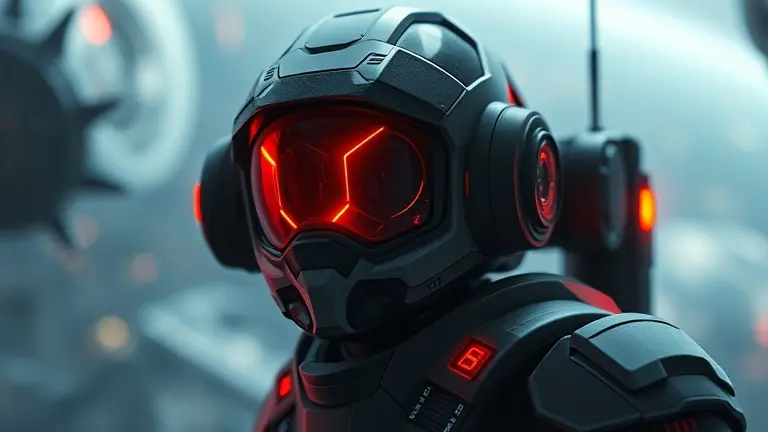
Since its breathtaking reveal in 2020, Pragmata has occupied a surreal space in the gaming industry. What was initially presented as a visionary sci-fi adventure from Capcom has, over the course of several years, become the ultimate symbol of the modern “development hell” phenomenon. For enthusiasts watching from the sidelines, the excitement of that first trailer has slowly curdled into a mix of cynicism and confusion, as the game repeatedly misses windows and avoids substantive updates, leaving the community to wonder if this masterpiece is truly coming or if it is merely a digital ghost.
This “development limbo” is not just about a missing release date; it is about the cognitive toll of persistent uncertainty. As gamers, we are conditioned to anticipate, to analyze, and to build theories based on the scarcest of data. When that process is stretched over years of silence, it creates a unique kind of “gaming fog.” The constant cycle of rumors and disappointment doesn’t just frustrate us; it clouds our focus and exhausts our mental bandwidth, making it increasingly difficult to remain objective in an information-heavy landscape.
Understanding the “why” behind the silence is more important than asking “when.” By looking at the technical ambitions of the RE Engine and the pressures of the high-stakes Japanese studio model, we can pull back the curtain on this mysterious project. It is time to move past the speculative clickbait and look at the reality of Pragmata—and in the process, perhaps reclaim the mental clarity you need to navigate the noise of modern digital life.
Pragmata: A Chronicle of Ambition and Extended Development Limbo
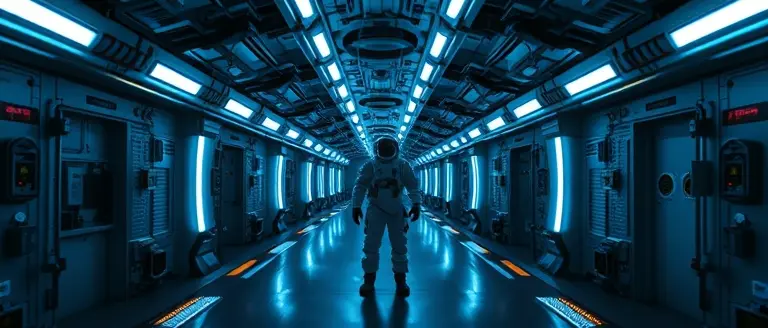
When Capcom first unveiled Pragmata during the June 2020 PlayStation 5 showcase, the industry was captivated by its surreal, high-concept aesthetic. Featuring a lone astronaut in a near-future, dystopian Times Square and a mysterious young girl, the trailer promised a groundbreaking sci-fi experience that felt quintessentially “next-gen.” However, what began as a beacon of creative ambition has evolved into a cautionary tale of modern game development. Initially slated for a 2022 release, the title has since slipped into an indefinite state of limbo, missing multiple internal milestones and prompting a 2023 “apology trailer” that sought to manage community expectations without offering a concrete window for completion.
The Anatomy of Development Silence
The transition of Pragmata from a highly anticipated title to a modern mystery highlights the inherent volatility of the Japanese gaming industry’s push for technical perfection. As development stretched well into 2026, skepticism among the player base reached new heights, fueled by the stark lack of gameplay footage and the complete absence of reliable release data from official channels. This “development hell” is often attributed to the ambitious scope of the project and the technical hurdles required to push the RE Engine—an engine traditionally optimized for survival horror titles like Resident Evil—to accommodate a large-scale, open-ended sci-fi adventure.
Key factors contributing to the current project status include:
- Scope Creep: Evidence suggests that Capcom’s desire to innovate beyond established genres has led to continuous internal revisions of the game’s core mechanics.
- Technological Hurdles: Adapting proprietary technology for a title of this scale requires iterative, time-consuming optimization that often conflicts with public release expectations.
- Strategic Reallocation: Resource shifts toward Capcom’s other highly successful live-service and mainline franchises may have effectively deprioritized the production timeline of Pragmata.
For now, the project remains an enigma. While community sentiment oscillates between hope and the cynical labeling of the game as “vaporware,” the situation serves as an objective study in the challenges of maintaining quality in a high-budget development environment. Until Capcom provides a definitive update, the game occupies a strange middle ground between an ambitious masterpiece in waiting and an unreachable vision of the future.
The Anatomy of a Delay: Tracking the Pragmata Timeline

The development trajectory of Pragmata serves as a masterclass in the risks of premature announcement culture within the modern gaming industry. Unveiled during the 2020 PS5 reveal event with a bold 2022 release window, the title promised a high-concept, next-generation experience. However, the ensuing six years have been defined not by gameplay demonstrations, but by a cyclical pattern of shifting expectations. Capcom’s initial silence following the 2020 reveal was broken only by a 2021 delay announcement, which pushed the project to 2023. The subsequent 2023 “apology trailer”—a rare move where the studio explicitly asked for more patience—highlighted the immense technical hurdles associated with leveraging the RE Engine for a project of such grand scale.
A Chronology of Silence
The timeline of this project reflects a significant departure from Capcom’s otherwise reliable, steady-hand approach to their flagship franchises like Resident Evil or Street Fighter. By analyzing the progression of public disclosures, we can categorize the development milestones as follows:
- June 2020: The original cinematic reveal introduces the enigmatic, futuristic setting and the astronaut-protagonist, sparking massive curiosity.
- November 2021: Capcom officially acknowledges that the 2022 release target is untenable, resetting the clock to 2023.
- June 2023: The “apology” update provides a short, stylized clip confirming the project remains in development but removes the 2023 target entirely, citing a desire for higher polish.
- 2024–2026: A period of indefinite, radio-silent development, where the absence of concrete updates has transformed community anticipation into skepticism regarding the game’s ultimate viability.
This “timeline of silence” suggests that Pragmata is likely undergoing fundamental iterative changes in its core gameplay loop or narrative structure. While Capcom’s transparency has waned, the lack of a cancellation announcement implies that the publisher remains committed to the project’s high-concept vision, even as it struggles to meet the internal benchmarks required to justify its existence in an increasingly competitive sci-fi market.
Vaporware or Perfectionism? Understanding Japanese ‘Development Hell’

The protracted development cycle of Pragmata has reignited debates regarding the nature of “development hell” within the modern Japanese gaming industry. While Western AAA studios often pivot toward live-service models to sustain long-term production, Japanese developers like Capcom historically lean into iterative refinement and strict quality control. The silence surrounding this project suggests a fundamental tension between Capcom’s industry-leading RE Engine capabilities and the unpredictable nature of building a high-concept, original IP from the ground up. Unlike established franchises such as Resident Evil or Monster Hunter, which benefit from mature pipelines and proven mechanics, Pragmata represents an experimental venture that lacks a legacy foundation to guide its design trajectory.
The Cost of Iterative Ambition
The phenomenon of “vaporware” accusations is rarely a product of developer malice, but rather the result of internal technical shifts. In the Japanese context, where perfectionism is deeply embedded in studio culture, projects often stall when the vision outpaces current hardware optimization or narrative complexity. Evidence suggests that the delays associated with Pragmata stem from several systemic factors:
- Engine Transition Hurdles: Adapting the RE Engine for a space-bound, high-concept sci-fi environment likely requires significant proprietary tech overhauls that do not apply to terrestrial environments.
- Design Paradigm Shifts: A willingness to discard near-finished assets in favor of higher quality benchmarks can lead to multi-year resets, a luxury rare in the current high-pressure market.
- Corporate Risk Mitigation: Capcom’s investor reports emphasize long-term brand value, suggesting that management would prefer an indefinite delay over releasing a title that fails to meet their current elite quality threshold.
Ultimately, whether Pragmata emerges as a technical masterpiece or remains a cautionary tale of “development hell” depends on whether Capcom can reconcile its experimental ambitions with the practical demands of modern AAA production. Until official concrete updates arrive, the project serves as a clear illustration of the risks inherent in abandoning safe sequels for bold, unproven creative risks.
The Community Narrative: Skepticism, Memes, and the Persistence of Intrigue

The discourse surrounding Pragmata has evolved significantly since its high-profile debut in 2020. What began as genuine excitement for a new Capcom intellectual property has matured into a cynical, meme-heavy landscape characterized by profound skepticism. For fans on platforms like Reddit and X (formerly Twitter), the game has transformed from an anticipated title into a benchmark for “development hell.” Every major industry showcase—such as State of Play or The Game Awards—now triggers a cyclical pattern of anticipation followed by disappointment, as the absence of a concrete release date fuels community jokes about the game being nothing more than a perpetual “vaporware” project.
Why Pragmata Remains in the Spotlight
Despite the mounting frustration and the lack of transparent communication from Capcom, the game refuses to fade into obscurity. This resilience in the public consciousness can be attributed to several key factors that keep the sci-fi project relevant:
- Enigmatic Marketing: The original 2020 trailer presented a haunting, high-concept vision that captured the imagination of science-fiction enthusiasts, leaving them with more questions than answers.
- The “Capcom Standard”: Given the studio’s recent successes with the RE Engine and the Resident Evil franchise, players are hesitant to dismiss the project entirely, fearing they might miss out on a potential technical masterpiece.
- The Power of Mystery: The lack of information acts as a vacuum that is constantly filled by fan theories and speculation, preventing the community from moving on.
Ultimately, the community narrative is defined by a paradox: players are tired of the silence, yet they remain tethered to the project by the hope that the extended development time is a result of ambitious technical goals rather than internal strife. While the skepticism is justified given the multiple delays, the core intrigue of the Pragmata universe ensures that as long as the game remains an unanswered question, the audience will continue to watch, wait, and speculate.
Beyond the Fog: Finding Clarity in the Wait
As our retrospective shows, the prolonged silence surrounding Pragmata is a complex byproduct of Capcom’s relentless pursuit of technical perfection. While it is easy to succumb to frustration or get lost in the endless cycle of speculation, that “gaming fog” only serves to deplete your own mental resources. Maintaining objectivity while navigating the messy, non-linear realities of modern development is a skill, and one that requires a sharp, resilient mind.
While we continue to wait for an official word from the studio, it is essential to protect your cognitive clarity from the exhaustion of empty marketing cycles. The same mental fatigue that makes following these development delays so taxing is exactly what The Brain Song is designed to combat. By integrating this 12-minute auditory routine into your daily life, you aren’t just waiting for the next reveal—you are actively optimizing your mental resilience, allowing you to cut through the digital noise and regain the focus needed to stay sharp in any high-information environment.
Don’t let the frustration of indefinite project delays hold your focus hostage. Take control of your mental clarity today and prepare yourself for whatever surprises (or further silence) the future may hold.

Reclaim your mental clarity while waiting for the next reveal—try the 12-minute auditory routine designed to cut through the noise.
Get Yours Now