
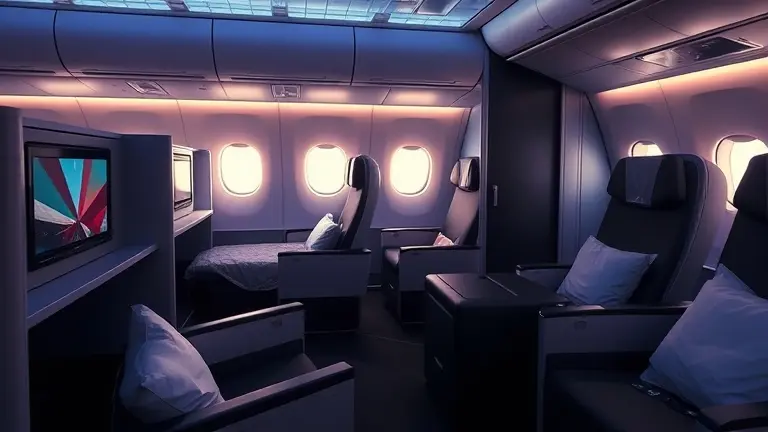
When you invest in a premium long-haul experience, the gap between expectations and reality often comes down to a single detail: the hardware. Travelers frequently search for the “Delta new Delta One suite,” hoping to secure the industry-leading privacy doors that have redefined luxury in the skies. However, as the airline continues to rotate its fleet, a premium ticket does not always guarantee the presence of these sought-after features.
The frustration of arriving at the gate, only to find an open-seat layout instead of the expected private suite, is a pain point for even the most frequent flyers. Much like starting a complex, high-stakes woodworking project without an accurate, verified blueprint, booking a flight based on generic marketing images is a recipe for disappointment. True luxury travel, like precision craftsmanship, requires an uncompromising commitment to verified data.
In this guide, we strip away the marketing jargon to show you exactly how to verify your aircraft, distinguish between the hardware configurations, and ensure that your next long-haul journey is executed with the technical precision you demand.
Understanding the Delta One Suite: What Defines the ‘New’ Experience in 2026
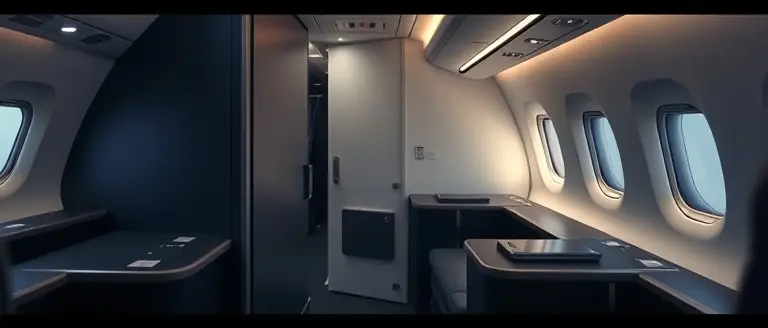
To navigate the premium travel landscape effectively, it is critical to distinguish between Delta One and the Delta One Suite. While “Delta One” refers to the airline’s premium business class brand—inclusive of elevated dining, premium bedding, and priority airport services—the “Suite” specifically denotes the hard product hardware. The signature Delta One Suite is characterized by a full-height privacy door and a 1-2-1 direct-aisle access configuration. By 2026, Delta continues to modernize its international fleet; however, travelers should be aware that many aircraft still operate with legacy “open” business class seats that lack these enclosure features.
Key Differences in Hard Product Hardware
Not all long-haul widebody aircraft offer the same level of seclusion. Understanding the technical configuration of your aircraft is the only way to ensure you receive the suite experience.
- The Suite Design: Features sliding privacy doors, customizable ambient lighting, and increased personal storage space. This is standard on newer aircraft like the A350-900 and A330-900neo.
- The Legacy Business Class: While these seats are still lie-flat, they lack doors and generally offer less physical separation from the aisle. These are commonly found on older Boeing 767 variants and specific A330 configurations.
- Consistency Challenges: Even on aircraft retrofitted with the new suite, the “soft product”—the quality of meal service and crew engagement—can vary based on the specific route and base staffing levels.
As of 2026, Delta’s fleet strategy prioritizes deploying the new Delta One Suite on high-demand transoceanic routes to compete directly with products like United Polaris. When booking, verify the aircraft type carefully; a 1-2-1 seat map is a strong indicator, but always cross-reference the cabin photos during the checkout process to confirm the presence of doors. Choosing the correct equipment is essential for maximizing comfort on overnight international journeys where deep rest is the primary objective.
How to Verify Your Aircraft: Is Your Delta One Seat Actually a Suite?
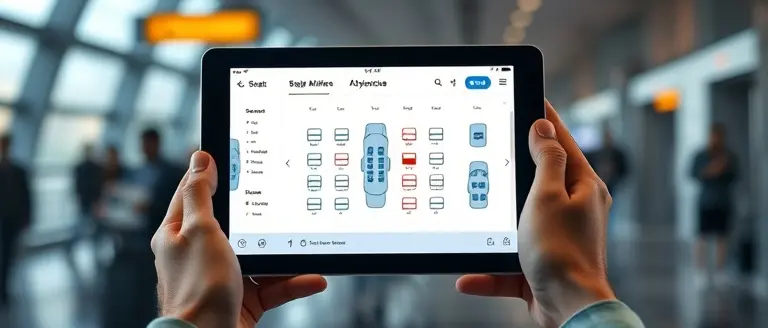
Distinguishing between a standard business class seat and the premium Delta One Suite is a common point of confusion, even for seasoned frequent flyers. While Delta markets its long-haul premium cabin broadly as “Delta One,” not every aircraft features the industry-leading sliding privacy doors that define the true suite experience. To avoid disappointment, you must look beyond the ticket price and scrutinize the hardware assigned to your specific flight.
Identifying the Suite via Seat Maps
The most reliable way to verify your product during the booking process is to analyze the seat map. When selecting your flight on Delta’s official website or mobile app, toggle the seat map view. You are looking for a 1-2-1 configuration where every seat has direct aisle access. Crucially, if you see high-walled mini-suites that appear enclosed, you are likely looking at the true new Delta One suite. If the seat map shows a 1-2-1 layout with staggered or older, more exposed pods (commonly found on Boeing 767s), you are likely booking a traditional Delta One seat without doors.
Know Your Fleet: Where to Find the Suites
The presence of the Delta One suite is highly dependent on the aircraft model. Because Delta’s retrofitting process is ongoing, you should prioritize these specific aircraft types to maximize your chances of securing the door-equipped experience:
- Airbus A350-900: The flagship experience; the vast majority of these frames are outfitted with the full suite.
- Airbus A330-900neo: These newer widebody aircraft feature the latest cabin design, consistently offering the suite with privacy doors.
- Legacy Aircraft Warning: Exercise caution when booking flights on the Boeing 767-300ER or Boeing 767-400ER. While these often offer lie-flat beds, many do not feature the updated privacy suite. Always cross-reference your flight number on third-party tracking sites like ExpertFlyer or AeroLOPA to confirm the specific sub-fleet configuration before finalizing your purchase.
The Delta One Suite vs. Traditional Delta One: Comparing the Hard Product
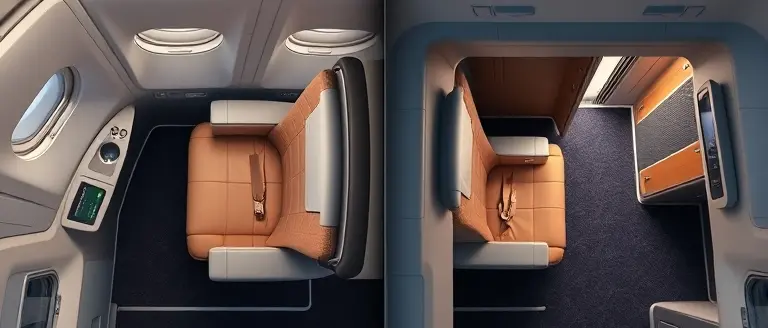
Understanding the distinction between the Delta One Suite and traditional Delta One seating is essential for travelers looking to maximize their long-haul comfort. While both products fall under the same premium branding, the “hard product”—the physical seat and cabin infrastructure—differs significantly. The modern Delta One Suite is distinguished primarily by the inclusion of a full-height privacy door, a feature absent in older configurations like the Boeing 767-300ER retrofits or older A330-200/300 layouts.
Key Differences at a Glance
| Feature | Delta One Suite | Traditional Delta One |
| :— | :— | :— |
| Privacy Door | Included (Full height) | Not available |
| Aisle Access | 100% Direct | 100% Direct (varies by fleet) |
| Storage Space | Enhanced side consoles | Limited surface area |
| Bed Experience | Fully enclosed pod | Open cabin feel |
When evaluating your booking, it is helpful to look at the seat map during the reservation process. The new Delta One Suite typically utilizes a 1-2-1 staggered or reverse-herringbone configuration that allows for the integration of the door mechanism. If you are flying on an A350-900 or an A330-900neo, you are likely to experience the full suite with the door. Conversely, older widebody aircraft may display a “Delta One” label without the suite designation, meaning the seat will still recline to a lie-flat position but will lack the physical enclosure of a private suite.
Identifying Your Aircraft Experience
To ensure you secure the new delta one suite, follow these verification steps:
- Check the Equipment Type: Look specifically for the Airbus A350-900 or A330-900neo, which represent the current standard for the suite product.
- Examine the Seat Map: If the center seats (E and F or D and G) are staggered in a way that suggests a partition can be raised or a door is present, it is likely the suite.
- Search Verified Reviews: Check the latest flight data on platforms like FlyerTalk to confirm if the specific tail number assigned to your flight has been retrofitted.
Distinguishing between these products is not merely about luxury; it is about managing expectations regarding privacy, noise reduction, and the overall “hard product” value you receive for your investment. By scrutinizing these technical details, you can ensure your premium fare aligns with the physical experience you desire.
Beyond the Door: Navigating Delta’s Soft Product Inconsistencies

While the delta new delta one suite is primarily defined by its physical hardware—specifically the sliding privacy door and the 1-2-1 lie-flat configuration—frequent flyers often note that the “soft product” experience can be less uniform. The hard product remains a gold standard in North American aviation, providing a consistent cocoon of privacy regardless of the route. However, the service delivery, including meal quality, bedding comfort, and amenity kit contents, can fluctuate depending on the departure hub, crew seniority, and regional catering contracts. Managing expectations at the premium price point requires understanding that while your seat is guaranteed, the service rhythm remains human-dependent.
Dining, Bedding, and Service Delivery
Delta’s commitment to premium travel is evident in its rotating seasonal menus and partnerships with high-end culinary brands. Despite this, travelers often report disparities in how these meals are executed. To navigate these potential inconsistencies, consider these variables:
- Hub-Dependent Catering: Flights departing from major international hubs like Atlanta (ATL) or Detroit (DTW) often benefit from more robust catering infrastructure compared to smaller outstations, leading to a wider selection of pre-select meal options.
- Bedding Consistency: The standard Westin Heavenly® In-Flight Bedding remains a staple of the Delta One Suite experience, consistently providing high-quality pillows and duvets across the fleet.
- Amenity Kits: Delta frequently collaborates with premium brands like Someone Somewhere, but the specific contents—such as skincare products—can vary based on current supply cycles and flight length.
Managing Expectations for the Premium Price Point
To maximize the value of your ticket, look beyond the hardware. Access to the Delta Sky Club or partner lounges acts as an extension of the suite experience, though the quality of these lounges varies significantly by airport. If your travel relies on a premium “hard product” experience, focus on securing a flight on the A350-900 or A330-900neo, where the suite design is most mature. While cabin crew service is generally lauded for its professionalism, recognizing that “soft product” elements—like the frequency of beverage service—are subject to flight duration and turbulence protocols will help you maintain realistic expectations for your long-haul journey.
Mastering the Blueprint of Your Next Journey
Navigating the intricacies of premium aviation—specifically distinguishing between a standard seat and the true Delta One Suite—demands the same attention to detail required in high-level project management. Whether you are analyzing seat maps to ensure privacy or auditing catering reliability, the goal is always the same: eliminating uncertainty. By verifying your aircraft and understanding the hardware configuration before you book, you transform your travel from a game of chance into a predictable, premium experience.
This philosophy of precision is what separates amateurs from masters. Just as you wouldn’t start a complex woodworking project without an exact, verified blueprint to ensure every joint and measurement fits perfectly, you should never commit to a premium flight without having absolute certainty regarding the configuration of your cabin. When you stop relying on guesswork and fragmented information, you gain control over your results, ensuring that your time and investment are never wasted on substandard outcomes.
If you value this level of technical certainty and precision in your life, you need a system that provides it across the board. Ted’s Woodworking offers the ultimate solution for those who refuse to leave their projects to chance, providing a comprehensive database of verified, professional-grade blueprints that eliminate structural errors before they happen. By applying the same rigorous verification to your projects as you do to your travel, you ensure total control over your success.

Stop relying on ‘trial-and-error’ planning; get access to the world’s most comprehensive library of verified project blueprints to ensure every detail of your next build—and your next journey—is perfectly executed.
Get Yours Now